From 2015 onward, Kees and I—both retired, but never truly done with science—set out each month to walk 15 kilometers somewhere in the Netherlands. Forest paths, river dikes, quiet countryside… it didn’t matter. What mattered was the conversation.
We were both tropical entomologists, which meant that every walk turned into a journey across continents and decades: cotton fields in Sudan, coffee plantations in Central America, rice paddies in Asia. We talked about insects, yes—but also about people, politics, and the messy reality behind “solutions” like pesticides.
Kees was not just a colleague. He was my closest friend.
In 2020, at the height of the COVID pandemic, those walks came to an end. Kees passed away, leaving behind not silence—but a lifetime of stories.
He often quoted the Danish philosopher Søren Kierkegaard: “Life can only be understood backwards, but it must be lived forwards.”
Looking back, his life reads like a map of the world—and a quiet revolution in how we think about agriculture.
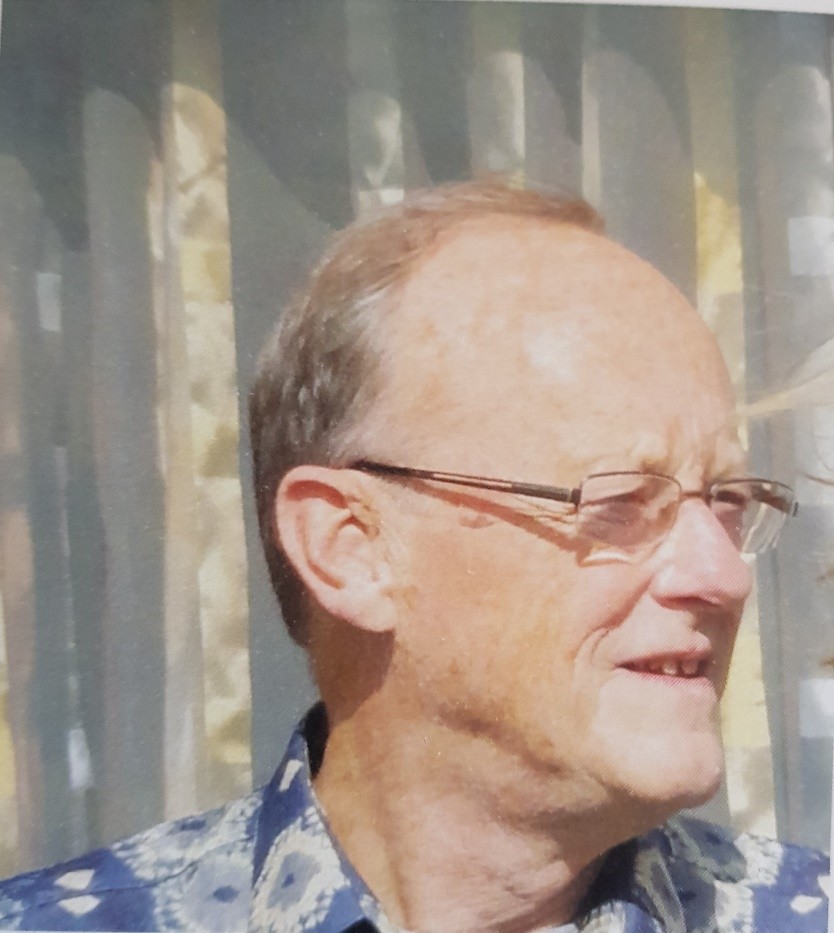
Fig. G1. Kees G. Eveleens
Central America: A Young Scientist Meets a Global Problem
In the 1970s, Kees joined the Food and Agriculture Organization (FAO) and the International Labour Organization, working with the regional plant protection organization OIRSA in Central America.
At the time, the world was beginning to wake up.
The publication of Silent Spring by Rachel Carson had shaken the foundations of modern agriculture. Pesticides, once hailed as miracle solutions, were now seen as dangerous—damaging ecosystems, human health, and even the crops they were meant to protect.
Kees was sent to Guatemala to study a tiny insect—the coffee leaf miner—but what he really encountered was a much larger issue: an agricultural system trapped in chemical dependency.
It changed him.
California: Where Ideas Turned into Action
Determined to understand alternatives, Kees went to the University of California, Berkeley—then the global hub of Integrated Pest Management (IPM).
There, under the guidance of Prof. Robert van den Bosch, he studied cotton farming in California’s San Joaquin Valley.
Cotton fields were drowning in pesticides. The results?
Resistant pests
New pest outbreaks
Ecosystems out of balance
In short: collapse.
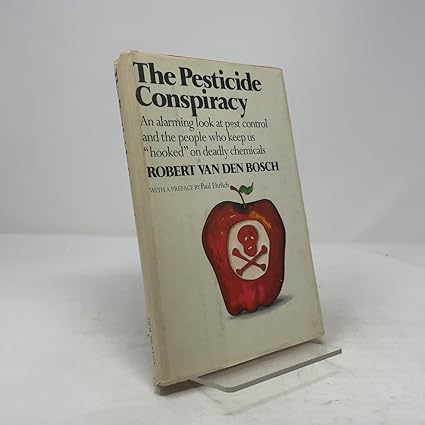
Van den Bosch was outspoken. He famously described the pesticide industry’s influence as “bribery and corruption” and wrote The Pesticide Conspiracy, a bold follow-up to Silent Spring.
In 1972, Kees earned his PhD—his diploma signed by Ronald Reagan.
But more importantly, he left with a conviction: farming could—and must—work with nature, not against it.
Fig. G2. The Pesticide conspiracy by Robert van den Bosch
Across Continents: Science in the Real World
Kees’ career took him across the globe, always at the intersection of science and reality.
Indonesia: working with nature
He studied natural enemies of pests—like parasitic wasps controlling the diamondback moth—showing that ecosystems could regulate themselves if given the chance.
Sudan: challenging systems
In Sudan’s vast Gezira cotton scheme, Kees encountered “package deals”—arrangements where pesticide companies controlled entire pest management strategies.
With support from global experts like Ray F. Smith and Perry Adkisson, reforms were introduced:
Banning harmful chemicals like DDT
Ending monopolistic control
It was not just science—it was politics, economics, and courage.
Zanzibar was unforgettable: a government hotel full of mosquitoes and rats, evenings of sprayed rooms and improvised solutions (including being handed a rat trap at reception).
But also:
Early morning field visits
Weekend trips to the Indian Ocean
Collecting shells that still sit in my home
Kees was precise, punctual, and quietly humorous. You could set your watch by him.
And in the historic streets of Stone Town, amid echoes of the slave trade and colonial past, we worked on introducing what would become a powerful idea: Farmer Field Schools—teaching farmers to observe, experiment, and think for themselves.
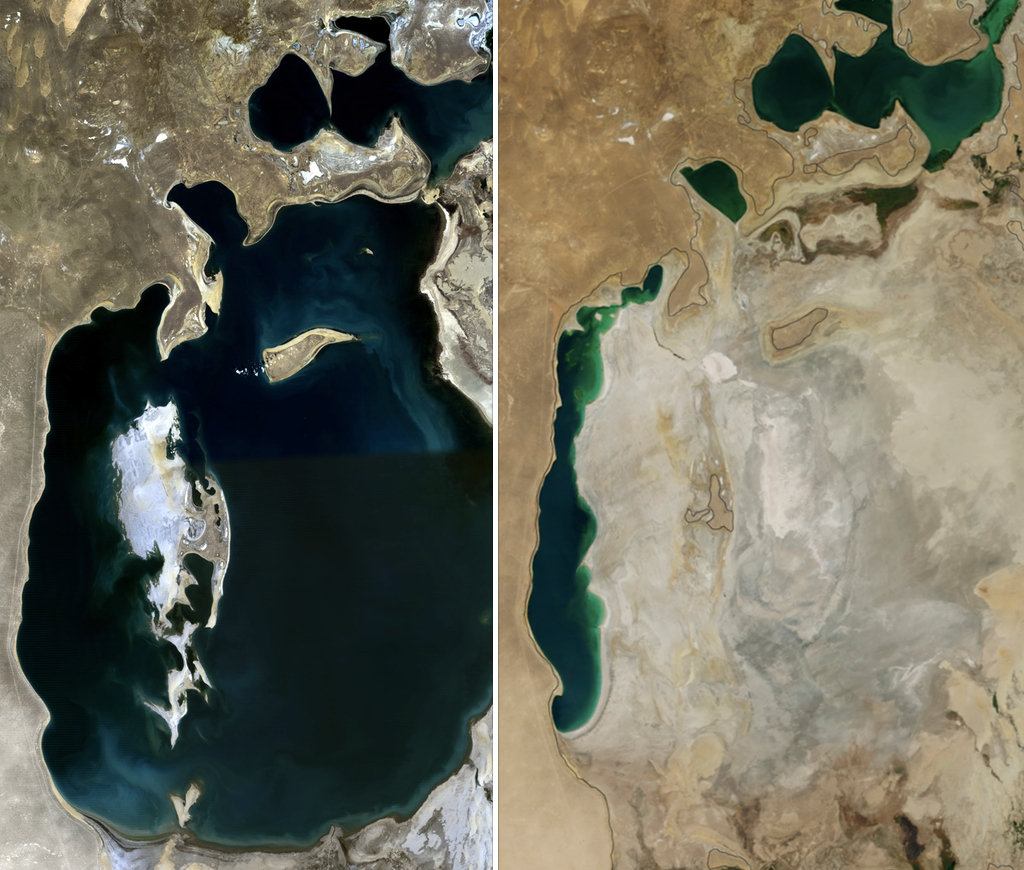
During a mission in Uzbekistan, he flew over the Aral Sea.
Once the world’s fourth-largest lake, it had shrunk by over 90%.
What he saw was haunting:
Ships stranded in sand
Dead fish on a dry seabed
A poisoned landscape
The cause? Intensive cotton production, massive irrigation, and unchecked chemical use.
It was a stark reminder: agricultural decisions can reshape entire ecosystems—and devastate human lives.
..
Figure G3 (above). The Aral Sea, once the fourth-largest lake in the world, has lost over 90% of its area over the last few decades. As a result, the local economy has been heavily damaged, lands have become useless for agriculture, and the unique flora and fauna of the Aral region are now facing extinction. The region is home to one of the biggest environmental crises in the world, yet few global audiences are even aware of it.
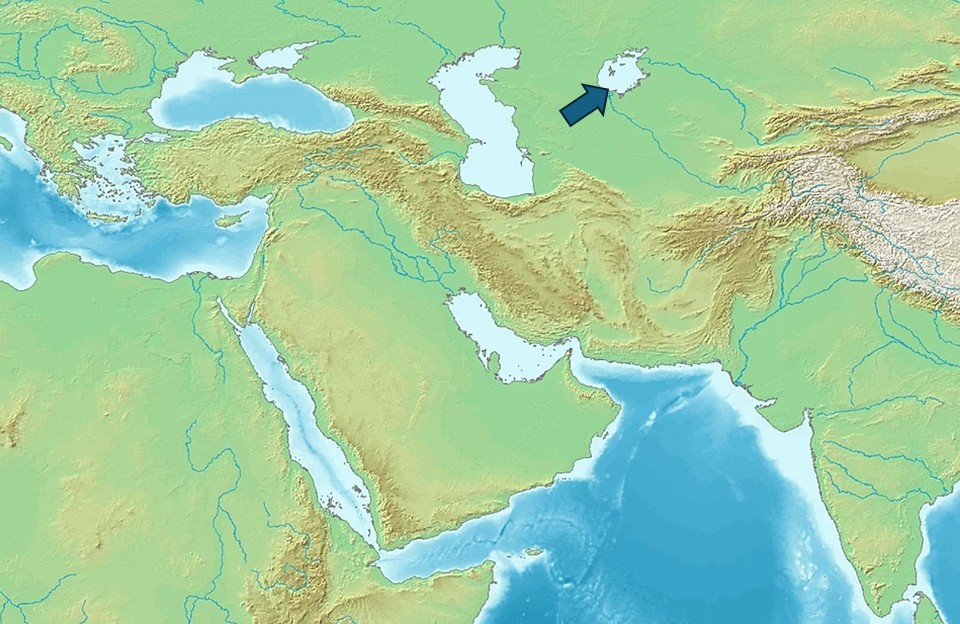
Fig. G4 (left). The Aral Sea is where the arrow is pointing to.
The Netherlands: A voice of reason
Back in the Netherlands, Kees became director of the MSc Crop Science program at Wageningen University.
Meetings could be intense—strong opinions, clashing ideas.
Kees had a gift: with just a few calm remarks, he could restore clarity and direction.
Not loud. Not forceful. Just wise.
Frustrations and unfinished work
Despite FAO’s major successes—especially in breaking pesticide dependence in Asian rice systems—much of the work remained hidden in reports.
After retirement, Kees helped FAO to write a comprehensive book on IPM in Asia.
It was completed.
It was never published. That frustrated him deeply. Years of knowledge, locked away.
A second life: The writer
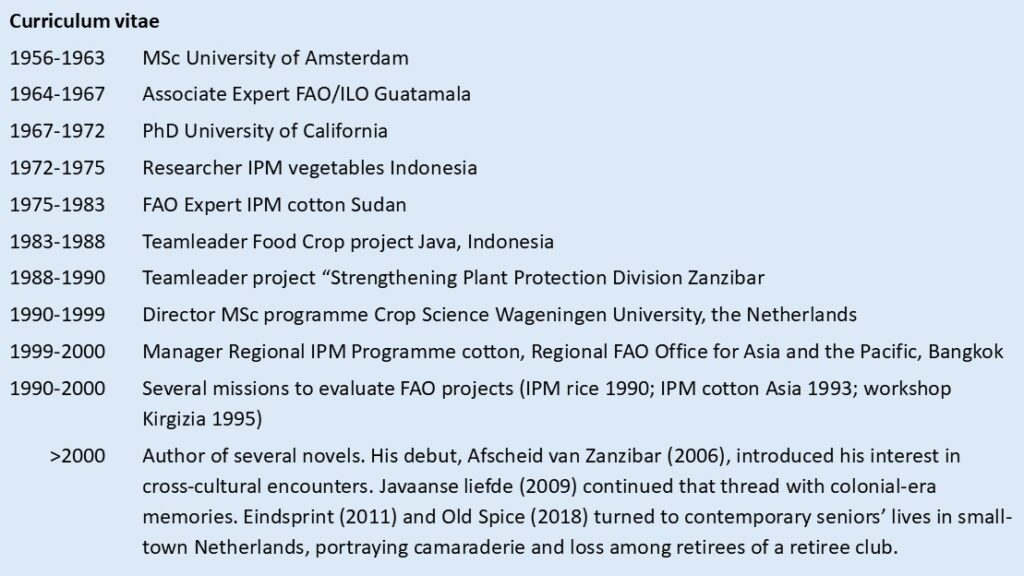
Kees always wrote beautifully—his reports were known for being both insightful and enjoyable.
After retirement, he turned to fiction.
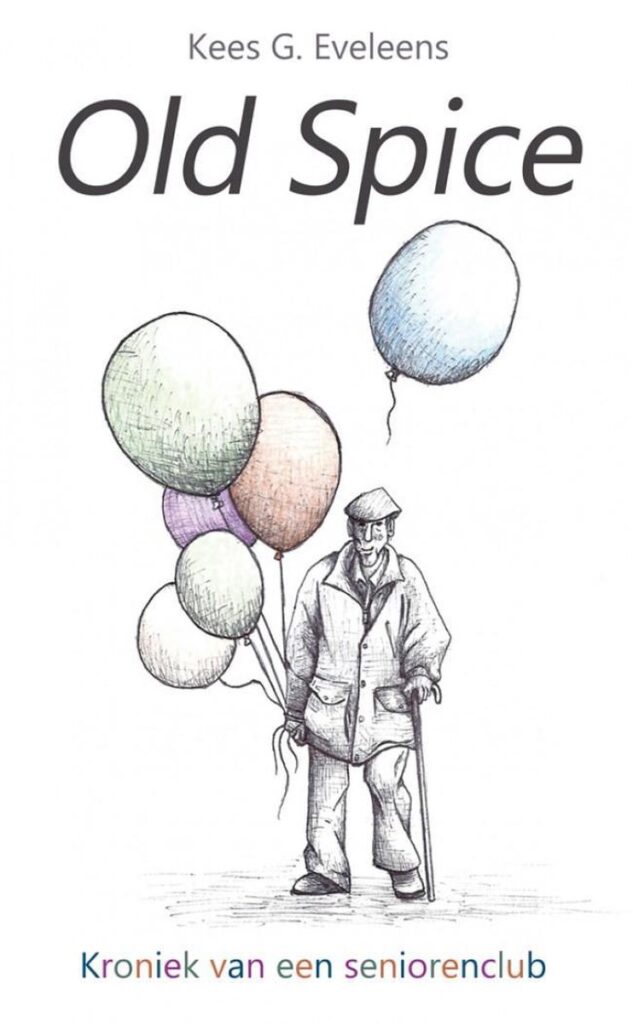
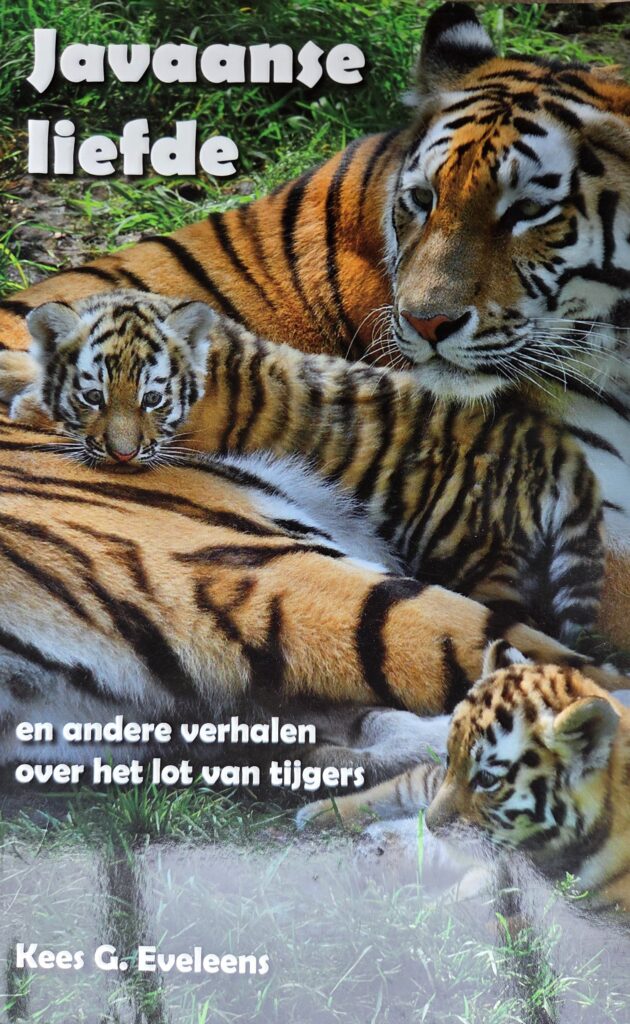
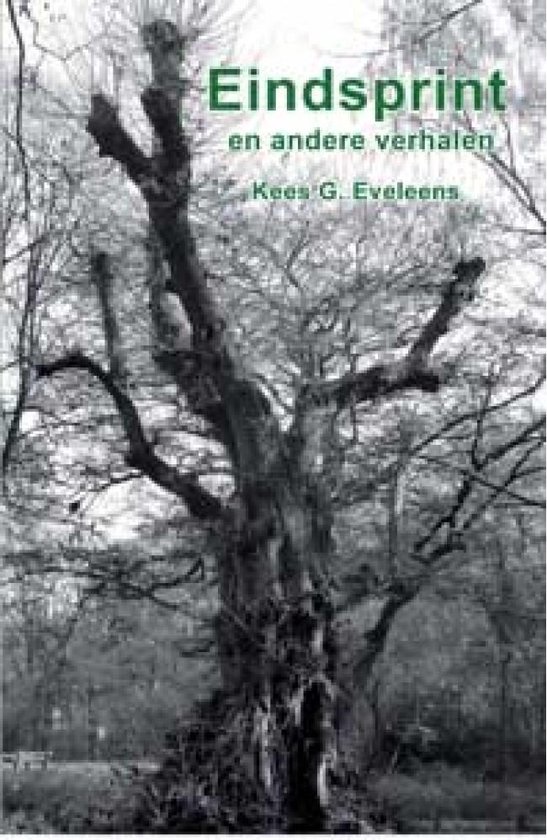
His books (Fig. f5-F8), including Farewell from Zanzibar and Old Spice, explored:
Cross-cultural encounters
Colonial memories
The quiet realities of aging
Writing did not come easily to him—but he persisted.