
Table of Contents
ToggleSudan: how humans can destroy agriculture
A Giant Engine of Agriculture
Our destination was the Gezira Scheme, one of the largest irrigation systems on Earth. Spread across an area bigger than some small countries, it lies just southeast of Khartoum, where the Blue Nile and White Nile meet in a striking swirl of different colors.
Water from the Blue Nile flows through thousands of kilometers of canals, feeding around 100,000 farms. Thanks to the gentle slope of the land, gravity itself does the work of irrigation.
For decades, this system had been a marvel. But something had gone wrong.
The mistery of sticky cotton
Cotton had been grown here since 1904. For a long time, everything seemed manageable. In 1960, farmers sprayed pesticides just once per season.
By 1980?
Eight times per season.
And yet, instead of fewer pests, they had more.
The cotton had become sticky—literally dripping with a sugary substance called honeydew. Machines clogged. Harvests suffered. The culprit: tiny insects called whiteflies.
A walk through three fields
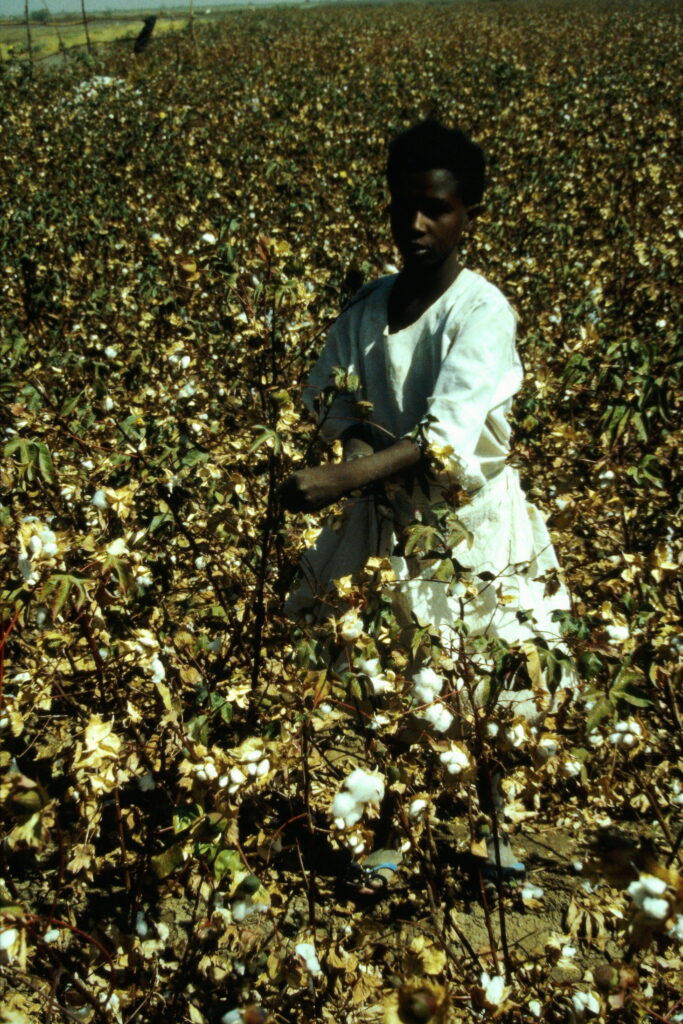
We were taken into the fields to see the problem for ourselves.
First stop: a field sprayed eight times.
The moment we brushed against the plants, clouds of whiteflies exploded into the air. The leaves were coated in sticky residue that clung to our clothes.
Second stop: a field sprayed twice.
Fewer whiteflies—but still plenty.
Then came the final field.
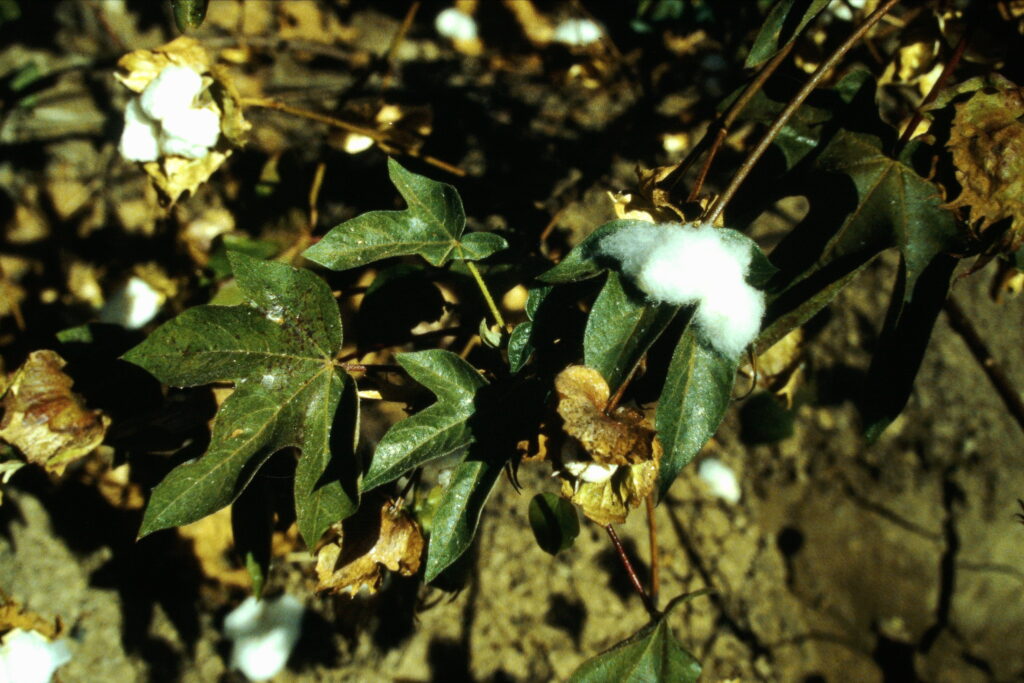
No pesticides at all.
We expected disaster.
Instead… almost no whiteflies.
We stood there, stunned.
The Counterintuitive Truth
How could less spraying lead to fewer pests?
The answer felt almost like a paradox.
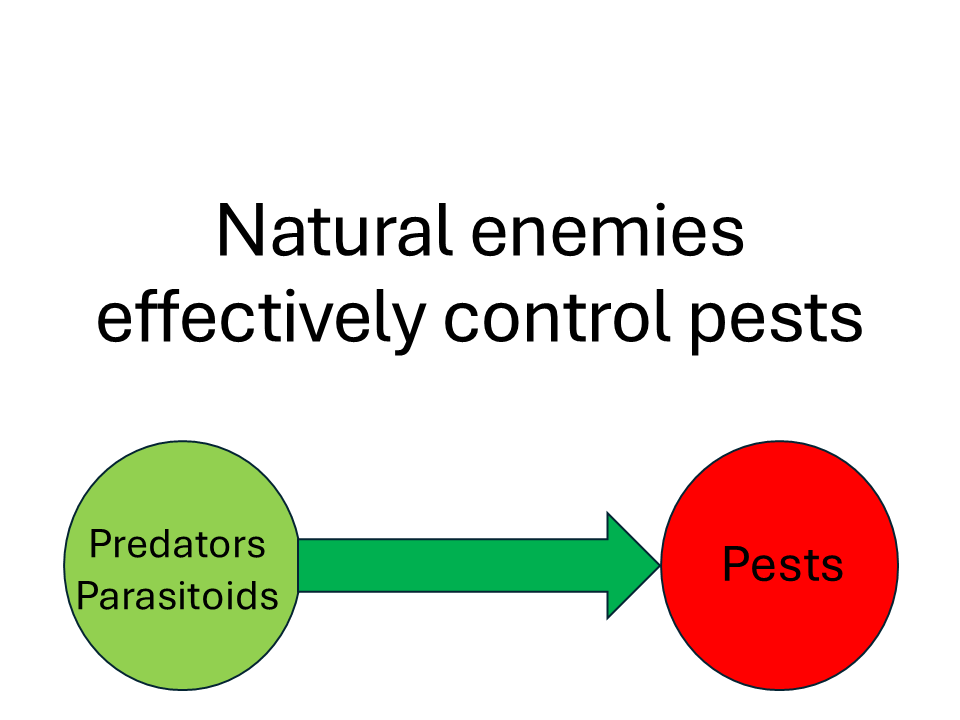
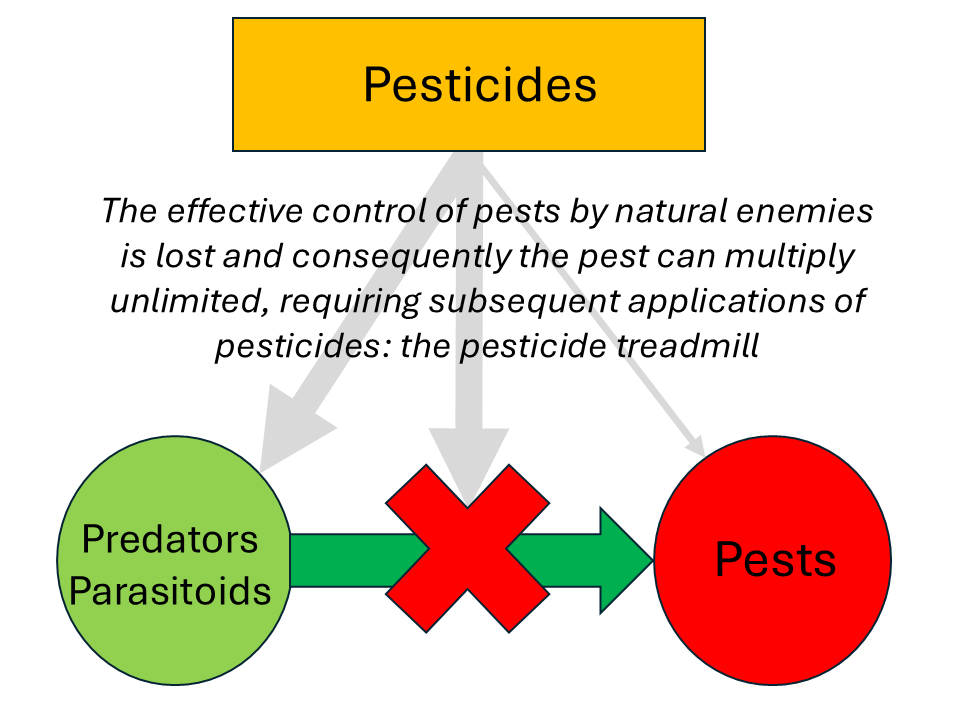
In nature, crops aren’t defenseless. They’re protected by an invisible army—predators and parasitoids that feed on pests and keep populations in balance.
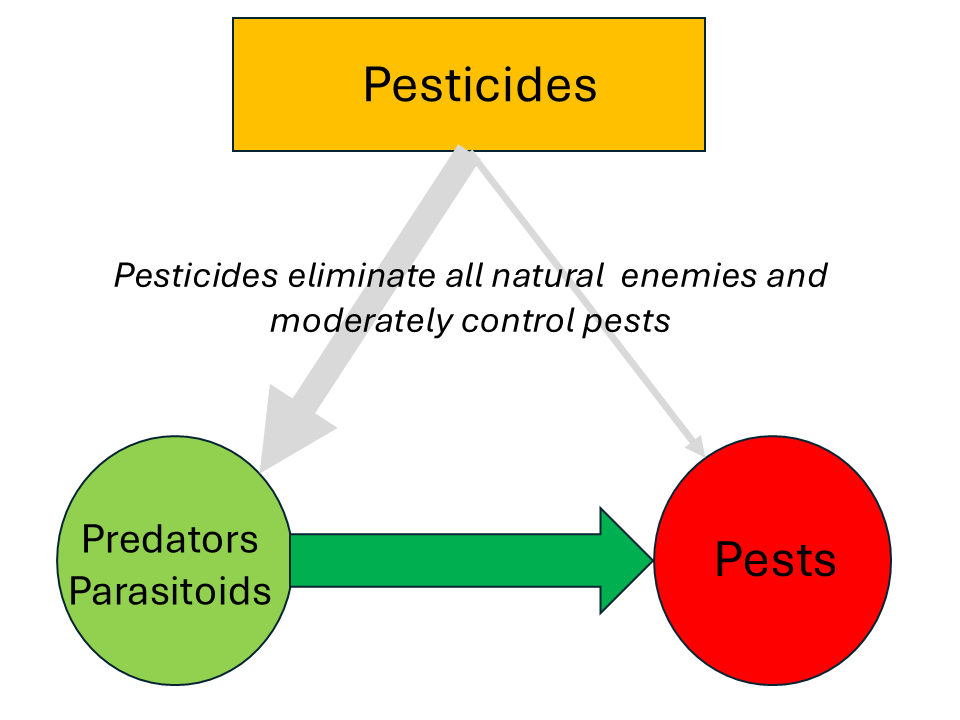
But pesticides don’t just kill pests.
They wipe out this entire natural defense system.
And that’s when things spiral:
- Pests evolve resistance, becoming harder to kill
- Natural enemies disappear, leaving pests unchecked
- New pests emerge, taking advantage of the chaos
Whiteflies, in particular, had an advantage. They hide under leaves and inside dense plant canopies—safe from sprays. Their predators? Not so lucky.
The result?
Spraying created the very problem it was meant to solve.
A Lesson in Unintended Consequences
This phenomenon has a name: pest resurgence. Sometimes, even entirely new pests—called secondary pests—rise to prominence because of pesticide use.
It turns logic on its head:
The more we tried to control nature, the more we lost control.
The Way Forward
The solution sounds simple—but isn’t always easy:
- Use fewer pesticides
- Apply them more carefully
- Choose selective options
- Develop resistant crop varieties
But there’s a catch. Reducing pesticide use isn’t always aligned with the interests of powerful agrochemical industries.
Leaving Sudan, Wiser
As we left Sudan, heading onward to Kenya, we carried more than reports and observations.
We carried a lesson.
Not just about agriculture—but about human nature itself.
Sometimes, in trying to fix a problem quickly, we end up creating a bigger one.
And sometimes, the best solution… is to step back and let nature do its job.
Further reading: Eveleens, K.G., 1983. Cotton-insect control in the Sudan Gezira: analysis of a crisis. Crop Protection, 2(3): 273-287. https://doi.org/10.1016/0261-2194(83)90002-9