MY ONE YEAR TRAVEL AS A STUDENT THROUGH AFRICA:
FIRST STOP CôTE d’IVOIRE
A New World
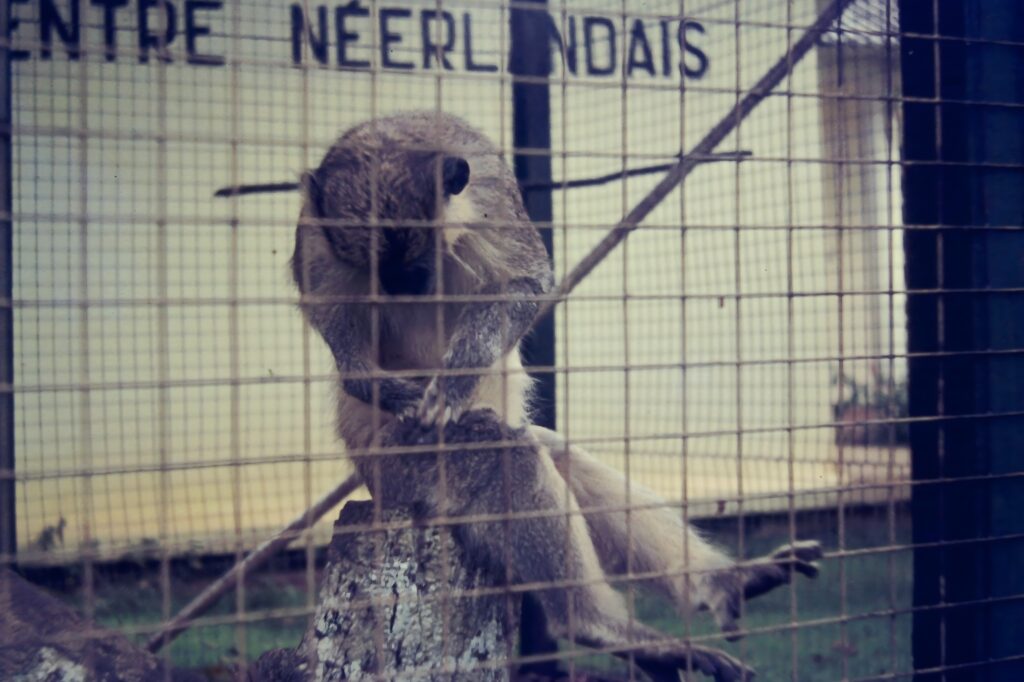
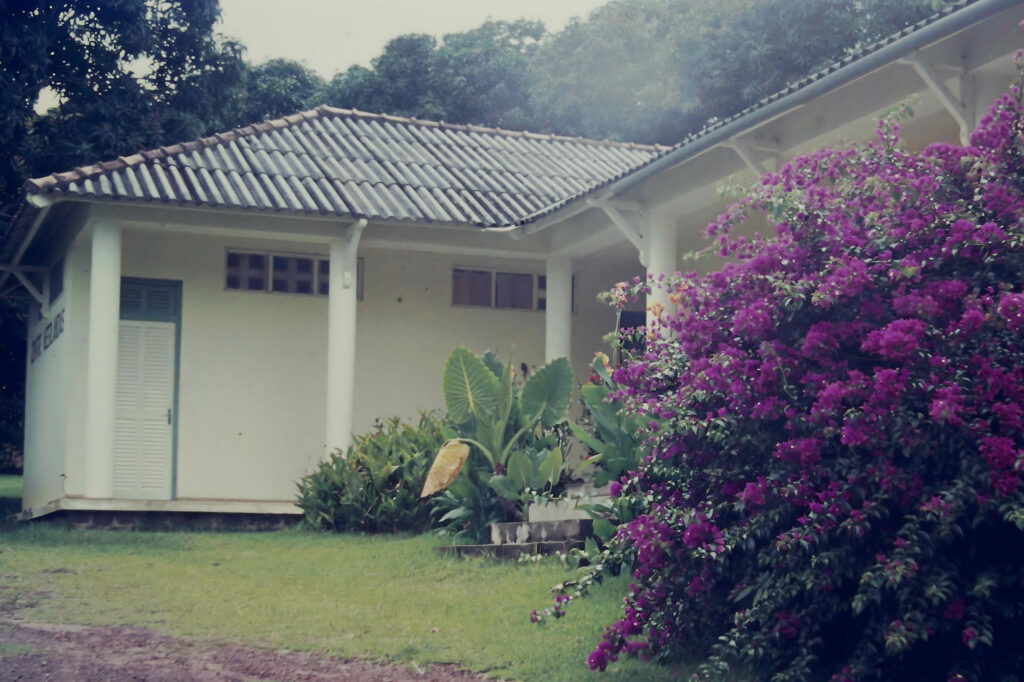
The Centre néerlandais was a small oasis of order and routine, tucked away in the tropical greenery. Two men kept the place running: Leonard, the housekeeper, and BoulahBah, the gardener. They were the quiet pillars of daily life there—though it took us a few awkward missteps to understand how things really worked.
At first, I thought it was only decent to make my own bed. A kind of moral reflex—you don’t let someone else do that for you, especially not in a former colonial setting, right? But I quickly learned that my well-meaning independence was not appreciated. One day Leonard looked at me in silence, lips pressed tight, eyes cold. Only later did I understand: this was his job. His pride. Making my own bed wasn’t an act of virtue—it was a quiet insult.
The same went for laundry. I felt it was excessive to hand over my dirty clothes every single day—surely I could let things pile up for a bit? Then I discovered that tropical humidity shows no mercy. After two days, my T-shirt smelled like it had been living on a compost heap, and stains began changing color of their own accord. Leonard salvaged what he could, but gave me a look that clearly said: you’ll learn.
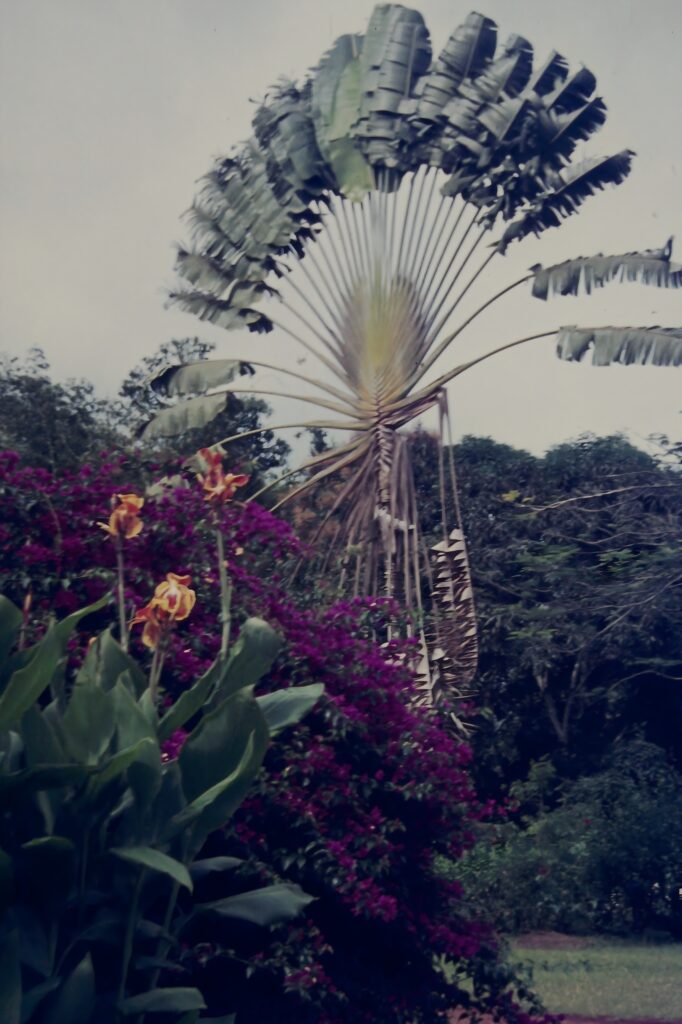
Brahima Bah, the gardener, was a different type altogether. Quiet, thoughtful, and rarely inclined toward conversation. He kept the garden in immaculate condition, as if he had formed a silent pact with every blade of grass. But even his patience had limits.
One afternoon he caught us casually flicking beer caps through the air—catapulting them between thumb and forefinger, watching them sail gracefully into the bushes. It all seemed harmless fun, until we noticed him bending down with a sigh, picking cap after cap out of the lawn.
That’s when it dawned on us: those damn things got jammed in the blades of his lawn mower.
Our spontaneous little game had given him days of extra work.
We were deeply ashamed.
And I was.
I had no idea what lay ahead. But I did know this: this was the beginning of something special.
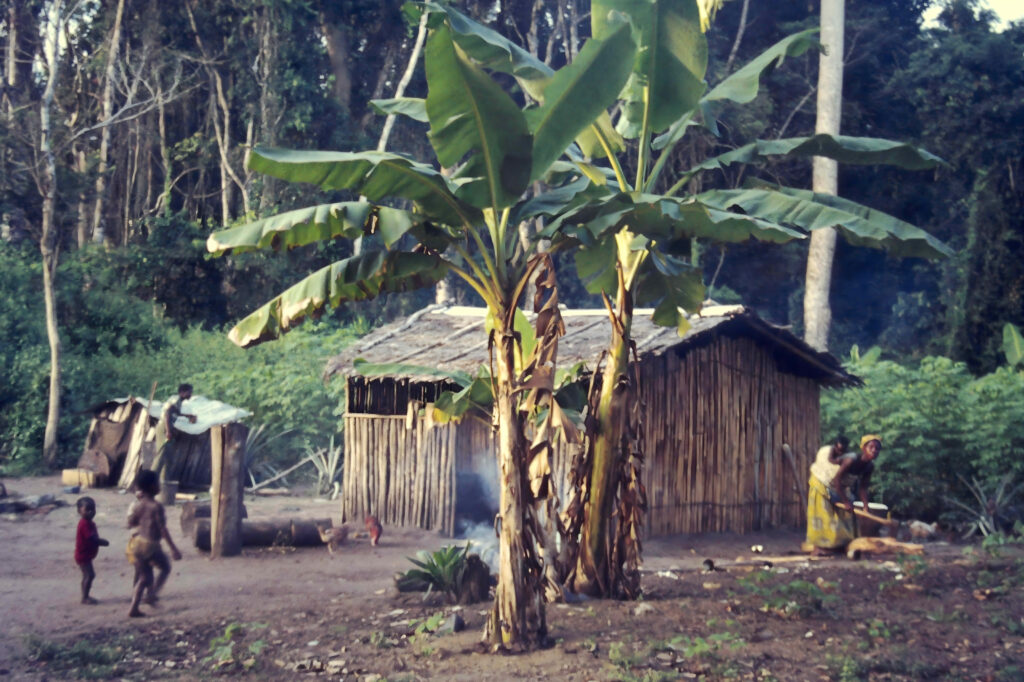
The Professor and the Gardener
Life at the Centre had its own rhythm. It wasn’t just students like us who came and went — professors regularly flew in from Wageningen as well. Some stayed for a few days, others for weeks. Most arrived to conduct research, supervise fieldwork, or simply escape the endless Dutch rain. One of them, an elderly botanist with a calm presence and a gentle voice, left a lasting impression on all of us.
He was a remarkable man — a specialist in the ethnographic meaning of plants. But he was more than a scientist. He was a poet. A philosopher. And, as it turned out, someone with a peculiar fondness for bloody action movies.
To our surprise, he soon became best friends with Brahima Bah, the gardener. Now, Brahima was not exactly chatty. He worked quietly, with devotion, keeping to the background. But something had happened between the two of them — something that had sealed their bond.
During one of their trips into the rainforest — searching for rare plants, medicinal leaves, and sacred herbs — Boulah Bah had decapitated a snake with a razor-sharp machete just as it was hanging from a branch, ready to strike at the professor. One second later, and the animal might have bitten him. Since that day, so the story went, Brahima bah had become his shadow.
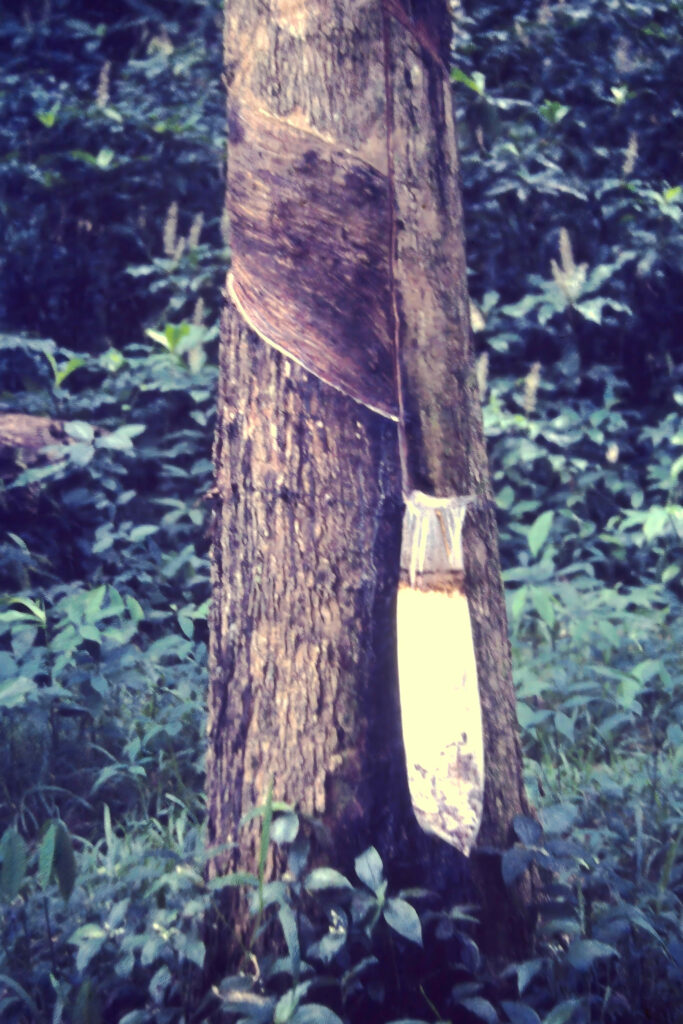
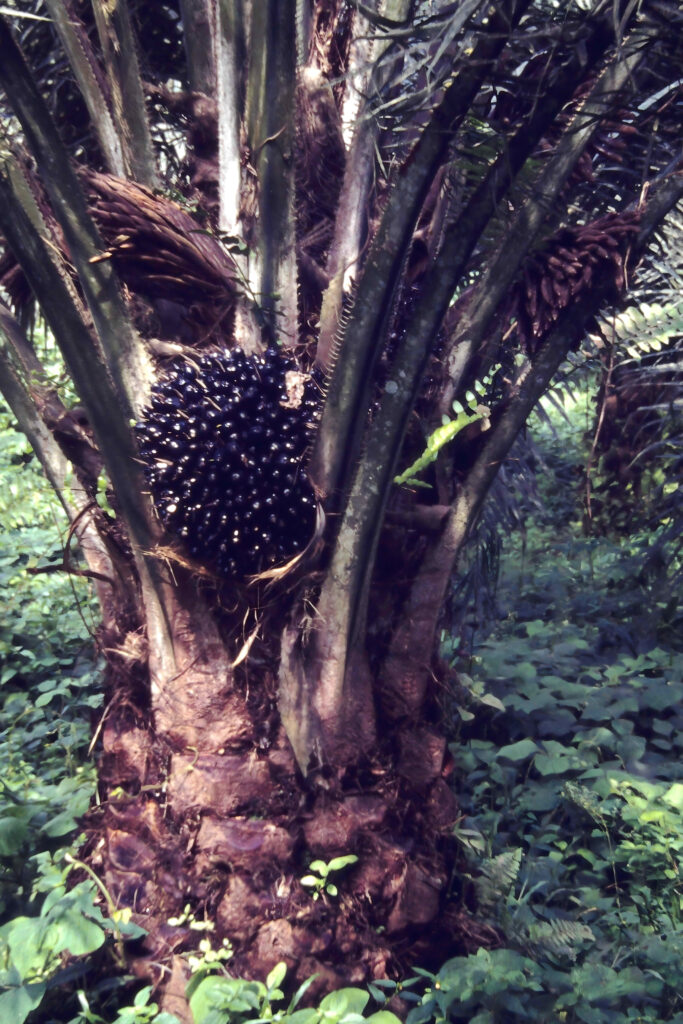
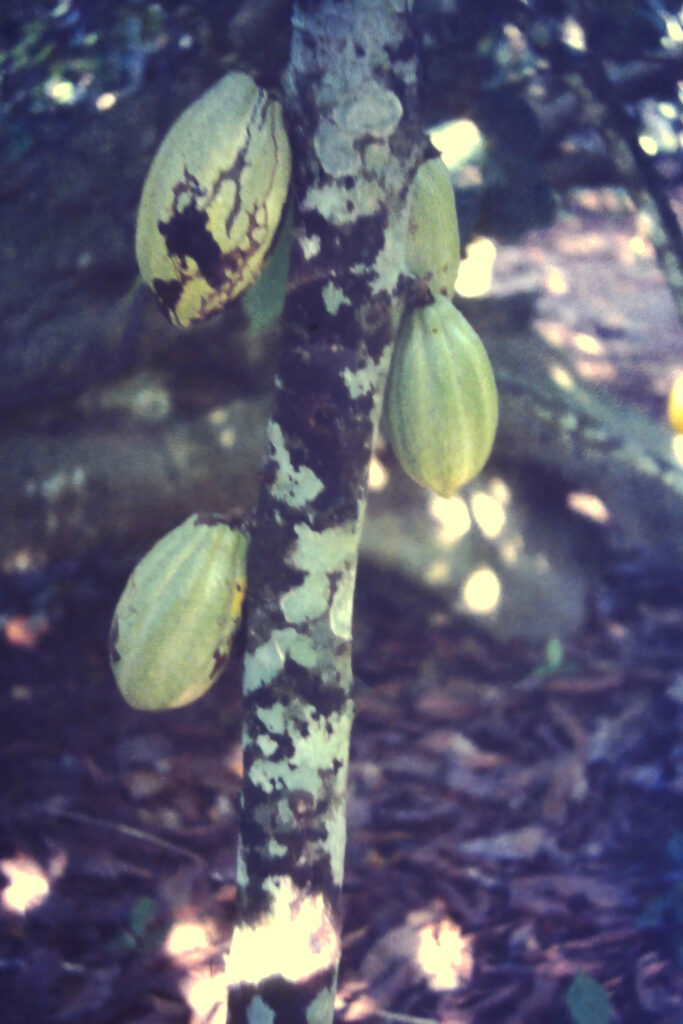
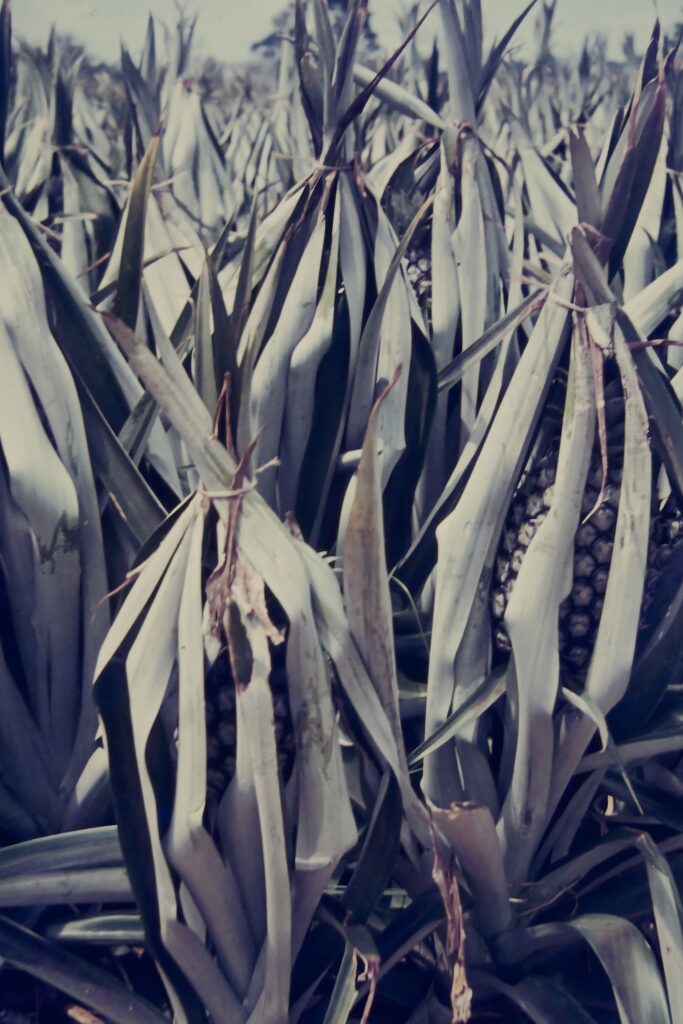
Every morning the professor sat on the veranda, before the sun had fully risen. Settled into his wicker chair with a cup of black coffee, he watched the golden light breaking through the trees. Sometimes I would shuffle past him half-asleep on my way to the bathroom, my feet sticking to the damp tiles. He would nod, wearing a dreamy smile, like a sage from an old fairy tale.
“You know,” he once said as I passed, “the sun here is… different. You don’t feel it — but it sees you.”
During the day he carefully recorded plant names, their local uses, the stories villagers told about them. But in the evenings, when the heat eased and dinner was served, he transformed. One night at the table he confided in us that he loved movies. Not just any movies. He adored action films in which, as he dryly put it, “as many people as possible get killed.”
We exchanged glances. Was this the same man who spent his mornings writing poetry in his notebook? The same man who spoke softly to plants as if they were old friends?
One evening, during a warm dinner under the veranda, he suddenly said, “Quite remarkable, really, that we can still enjoy electricity here in the middle of the jungle.” He raised his glass, as if saluting some invisible force.
Pieter, in his usual deadpan style, replied without hesitation:
“I hope you realize there’s a Black guy pedaling away in the shed to provide that electricity.”
A silence fell.
The professor looked up. A flicker of unreadable emotion crossed his face. Then he smiled — thinly. Whether it was appreciation or irony, we couldn’t tell. Maybe he got the joke. Maybe he didn’t.
He took another sip of wine, gazed into the darkness beyond the garden, and said,
“In the jungle, everything runs on unexpected forces.”
And we nodded, as if we understood.
Under the Palms, Behind the Curtains
At first, Vinz and his wife kept us at arm’s length. They were friendly, yes — but cautious. Their words were carefully chosen, their smiles never quite wholehearted. We could sense that we were on probation. Only later did we understand why. Previous interns had disappointed them: disrespectful, indifferent, sometimes downright troublesome. They had learned to keep their expectations low.
But as so often happens in foreign places, where people live close together and the outside world feels far away, things slowly changed. The walls began to melt. Short conversations turned into long evenings. Meals were shared. Laughter carried late into the night. Eventually, one evening — a little awkwardly, holding a glass of wine — Vinz told us that our time there had been the best he’d had in all his years at the Centre. It moved us more than we cared to admit.
Still, behind the scenes, the Centre lived a life of its own.
Stories hung in the air like humidity, and no one collected them better than the staff. Leonard, the housekeeper, knew everything. brahima listened more than he spoke, but nothing escaped his ears. To us, they had become part of the furniture — quiet, dependable, always present. Meanwhile, they were the Centre’s secret archive. They knew the tensions, the arguments, the whispers in bedrooms and kitchens.
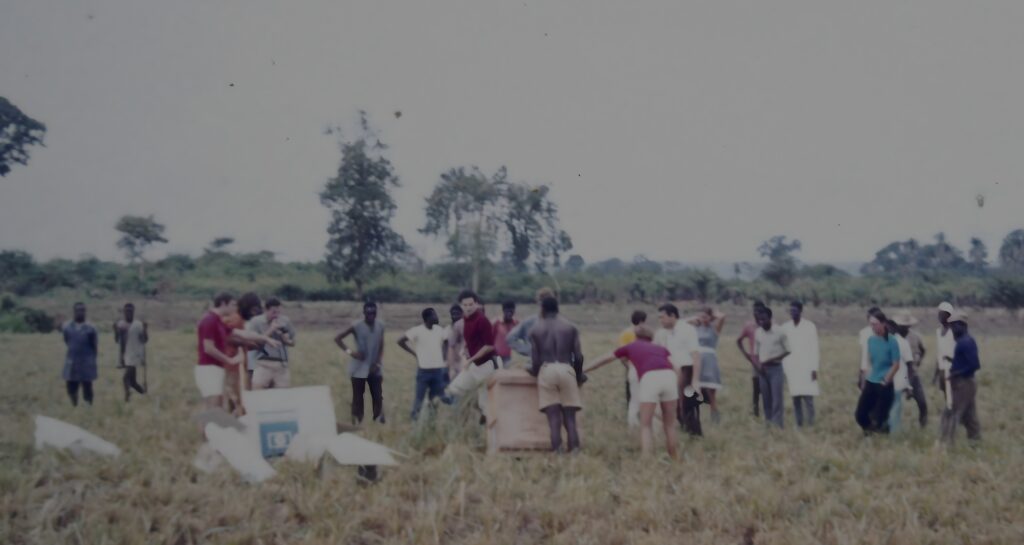
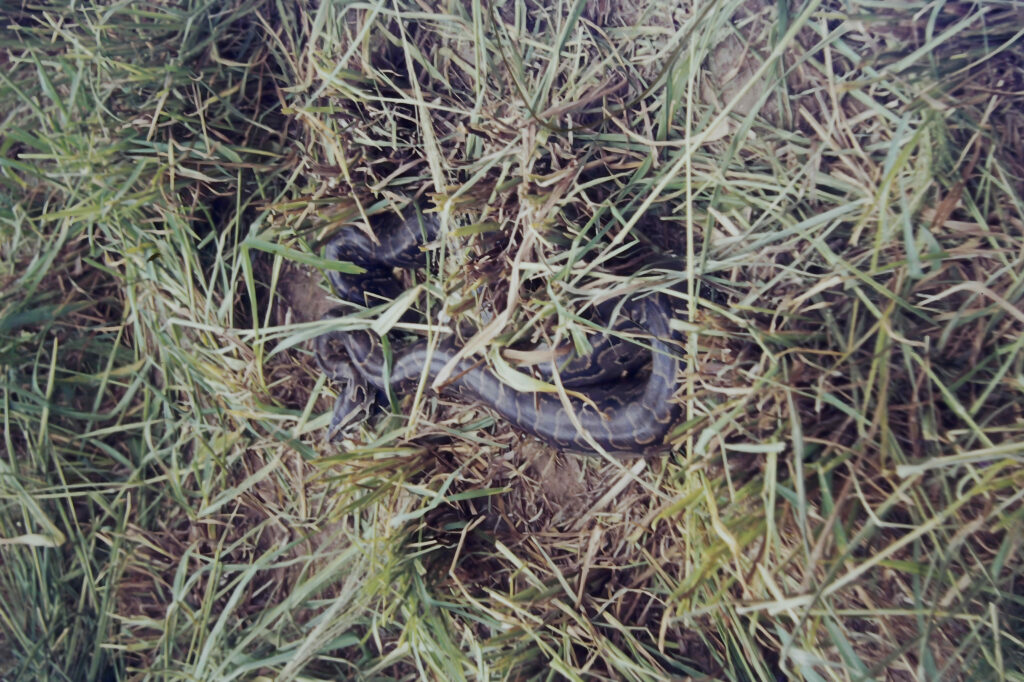
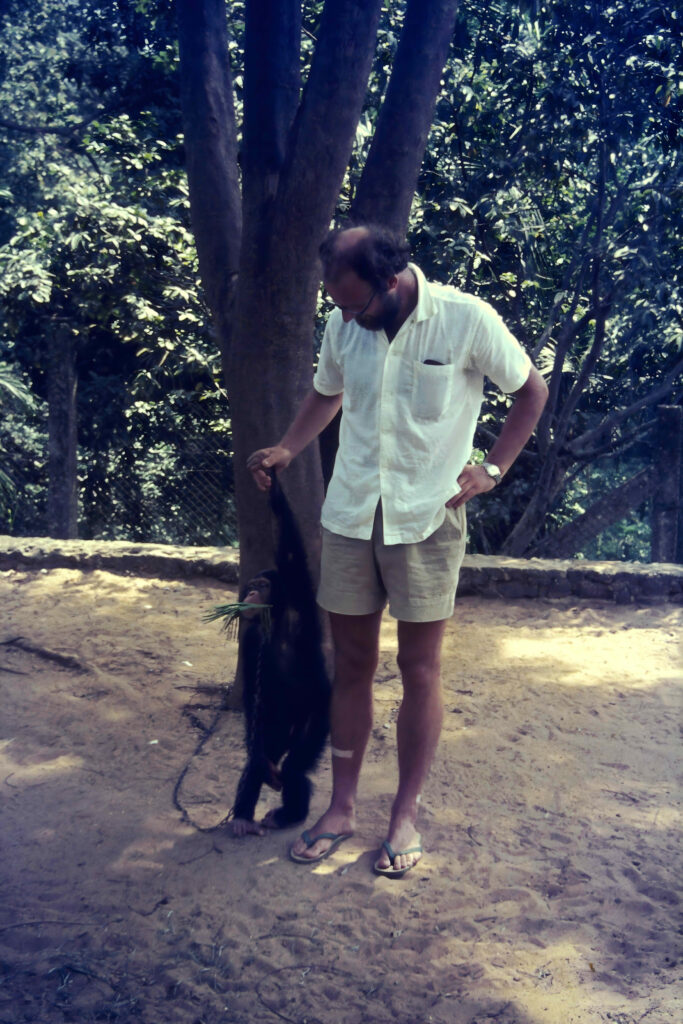
The French women especially — who had followed their husbands, often scientists away in the field for days on end — were bored out of their minds. The heat, the loneliness, the isolation… it wore them down. And once boredom takes hold, temptation follows quickly. Infidelity, if the rumors were to be believed, was not the exception but the rule. Names were whispered, glances exchanged. And the garden offered countless places where no one could see you — or so you thought.
There was also another Dutch family at the Centre: that of the virologist Pieter worked with. In theory, the Dutch expats formed a close-knit community. In practice, things were more complicated. Vinz told us that in earlier days they had visited each other almost daily, tables overflowing with wine and stories. But after a fierce argument — no one remembered exactly what it was about — the two families now carefully avoided one another. Eyes were turned away when paths crossed, conversations stalled at cool politeness.
The Centre was small, but life there was vast.
Behind every closed shutter was a story.
And we — young, naïve interns from the Netherlands — wandered through it all, eyes wide open, illusions slowly fading.
Mosquitoes, Ants, and Blister Beetles: Tropical Fieldwork in Côte d’Ivoire
When we arrived in Côte d’Ivoire, we were eager to finally start our research. Vinz, however, remained cautious at first and kept us at arm’s length. Instead of sending us straight into the field, he placed us under the supervision of a French researcher named Dominique.
Dominique was… unusual, to put it mildly.
His house felt like a museum dedicated to love: the living-room walls were completely covered with life-sized nude portraits of his wife. It was, to say the least, uncomfortable.
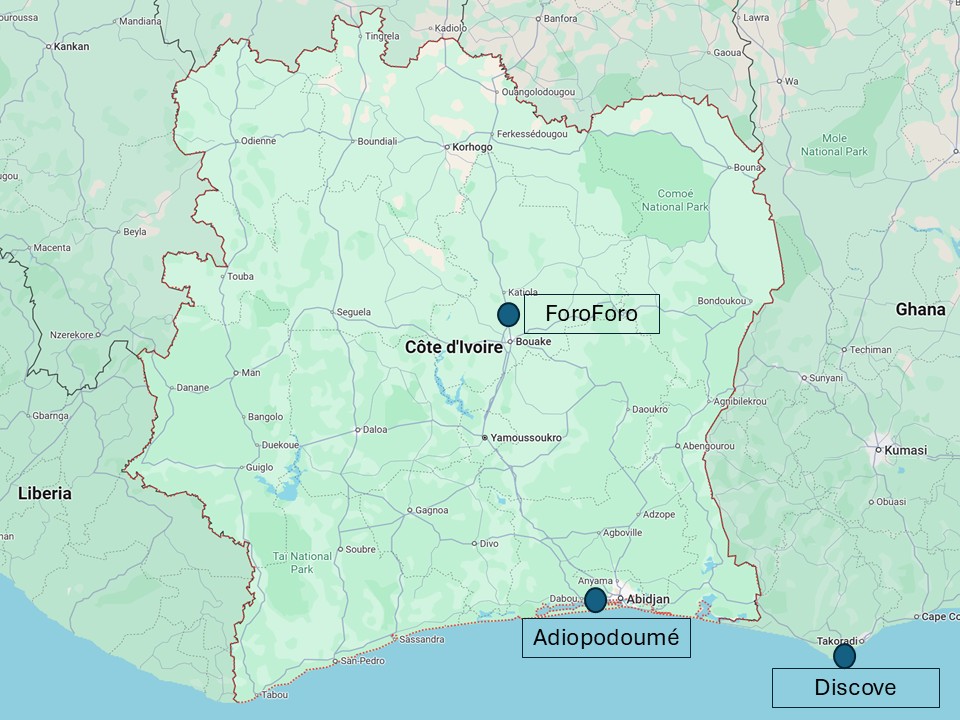
From his place, Dominique dispatched us to Foro Foro, a small, isolated village just north of Bouaké—about 350 kilometers from Abidjan. On the way we passed through Yamoussoukro, a town that seemed entirely unremarkable—until you hit the highway.
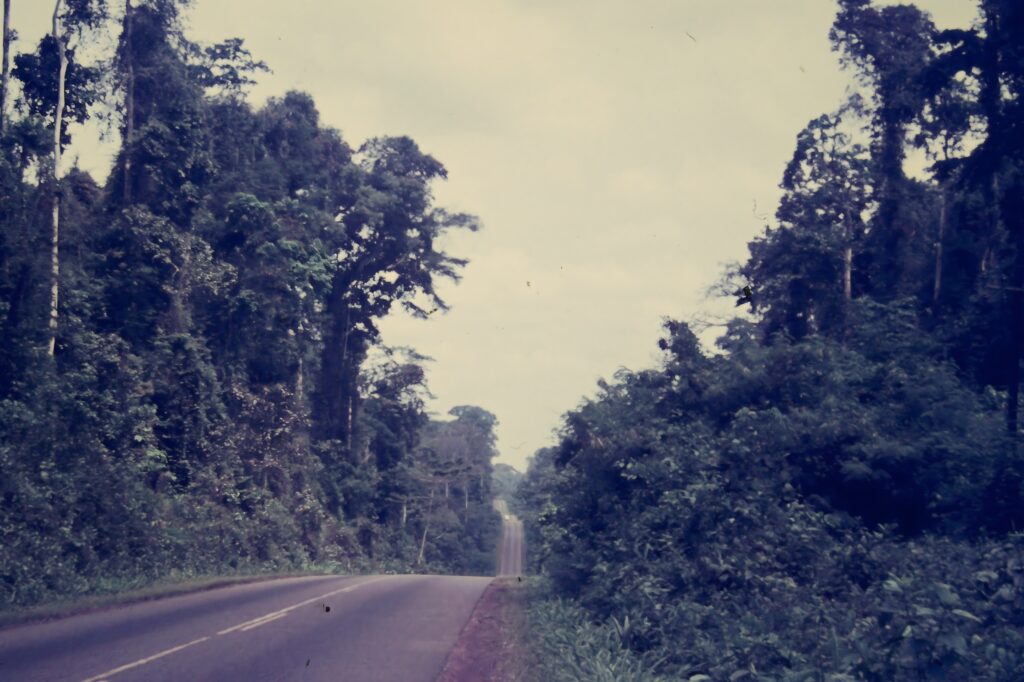
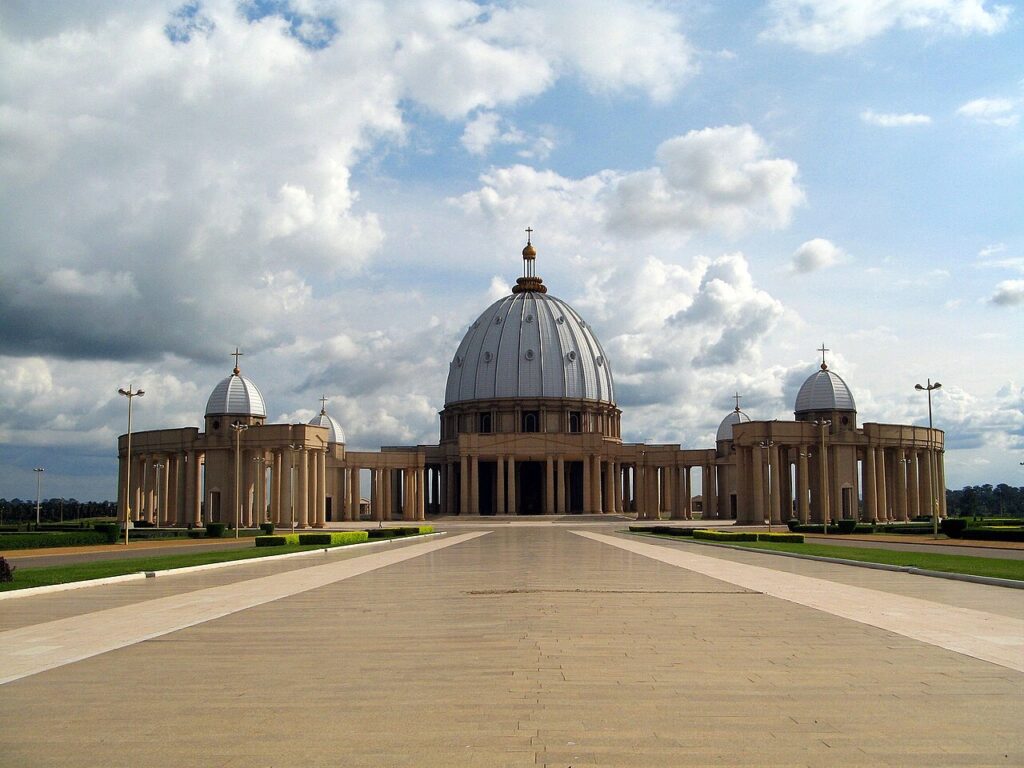
Five kilometers before the town, the road suddenly expanded into four pristine lanes. Five kilometers after, it shrank back again just as abruptly. This was the hometown of President Félix Houphouët-Boigny, who ruled for decades and declared the village the country’s official capital. He even had the world’s largest basilica built there: the Basilica of Our Lady of Peace, at a cost of roughly $300 million. Reportedly, it’s almost an exact replica of St. Peter’s Basilica—except for the dome, which is just slightly lower.
Out of respect.
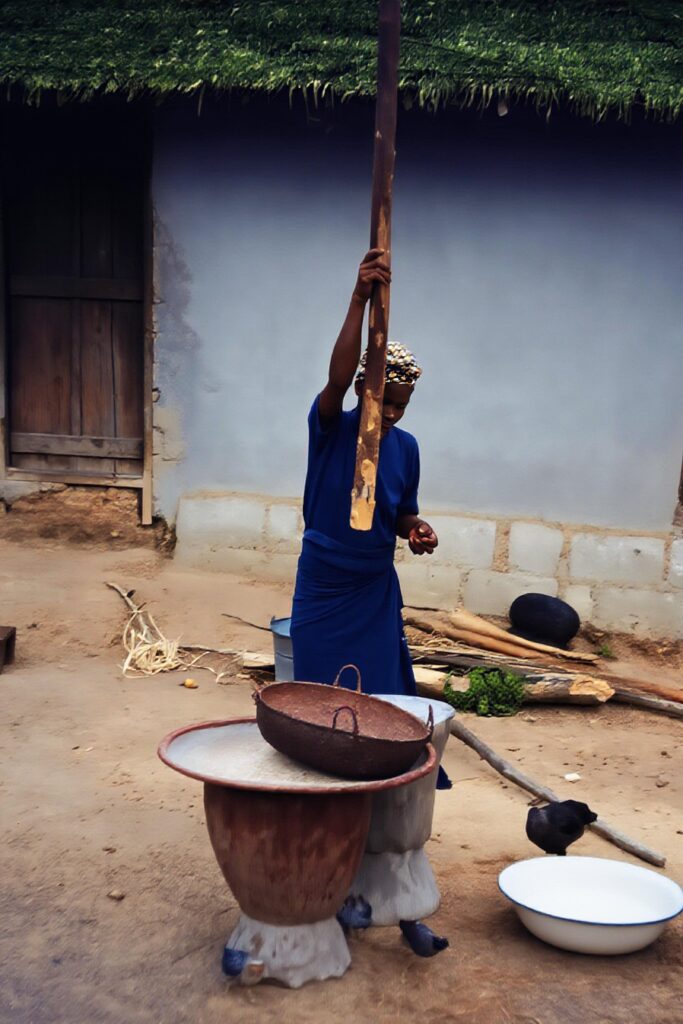
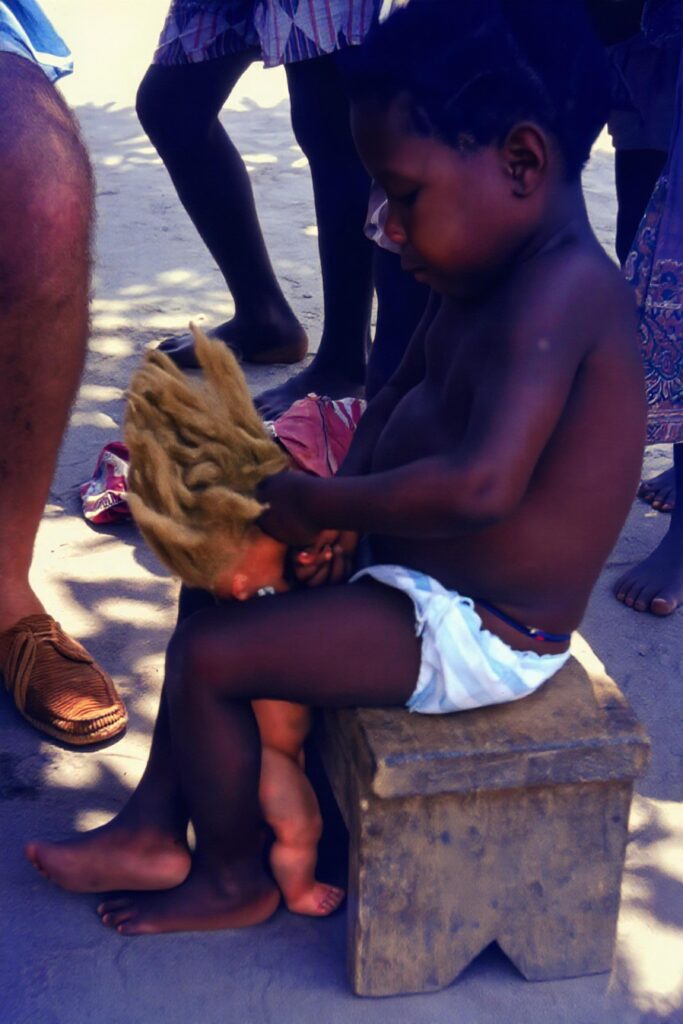
In Foro Foro we stayed in an abandoned colonial villa whose most active residents were mosquitoes. They seemed to have discovered us as their new catering service. Despite mosquito nets, we were eaten alive—especially if you accidentally slept with an arm touching the mesh.
I eventually came down with malaria after we returned to Abidjan, running a high fever for days. That wasn’t the end of it: a few mosquito bites on my leg became infected after I scratched them open. A quick-thinking Frenchman sent me to a doctor just in time—the infection was already close to the bone. Antibiotics prevented anything worse.
But mosquitoes weren’t the only creatures interfering with our lives in Foro Foro.
One morning we woke to a strange rustling sound. A meter-wide column of army ants was marching straight past—and partly through—our house. Within seconds they were climbing up our trouser legs. We panicked, yanked our pants down, and frantically brushed ants off our bodies.
This was no overreaction: these ants can strip a living animal to the bone.
We would later see proof of that.
Because we weren’t the only researchers in the area. Two Americans from the Smithsonian Institution arrived in a battered Volkswagen van. Their mission: collecting insects and primates.
At night they hung white sheets, placed a lamp in front of them, and gathered the insects that flew in. For primates, they scanned the treetops with headlamps. If they spotted two reflective eyes, they fired. The dead monkeys were hung from a branch—and the ants did the rest. A day later, the skulls were completely clean and ready to be shipped back to the United States.
Disturbing? Absolutely.
Fascinating? Also yes.
And our own research?
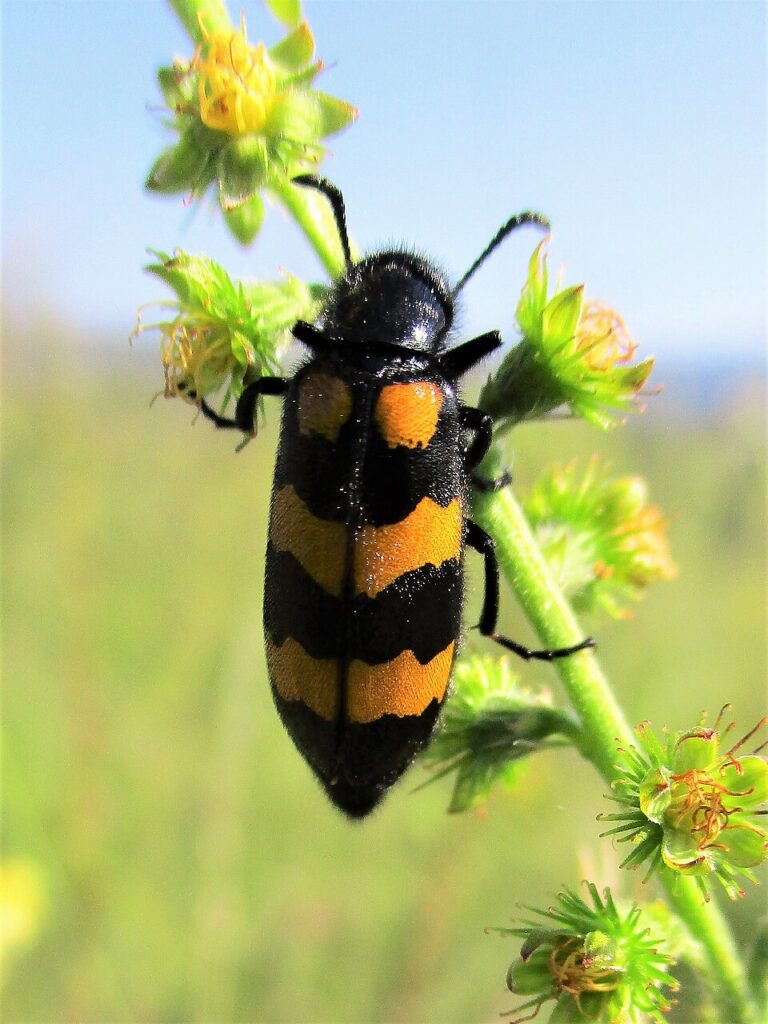
We studied blister beetles (Meloidae), oil beetles that feast on flowers, including those of cotton plants. These beetles produce cantharidin, a substance sometimes used in local cuisine as an aphrodisiac. Our goal was to determine whether their appetite posed a threat to cotton production.
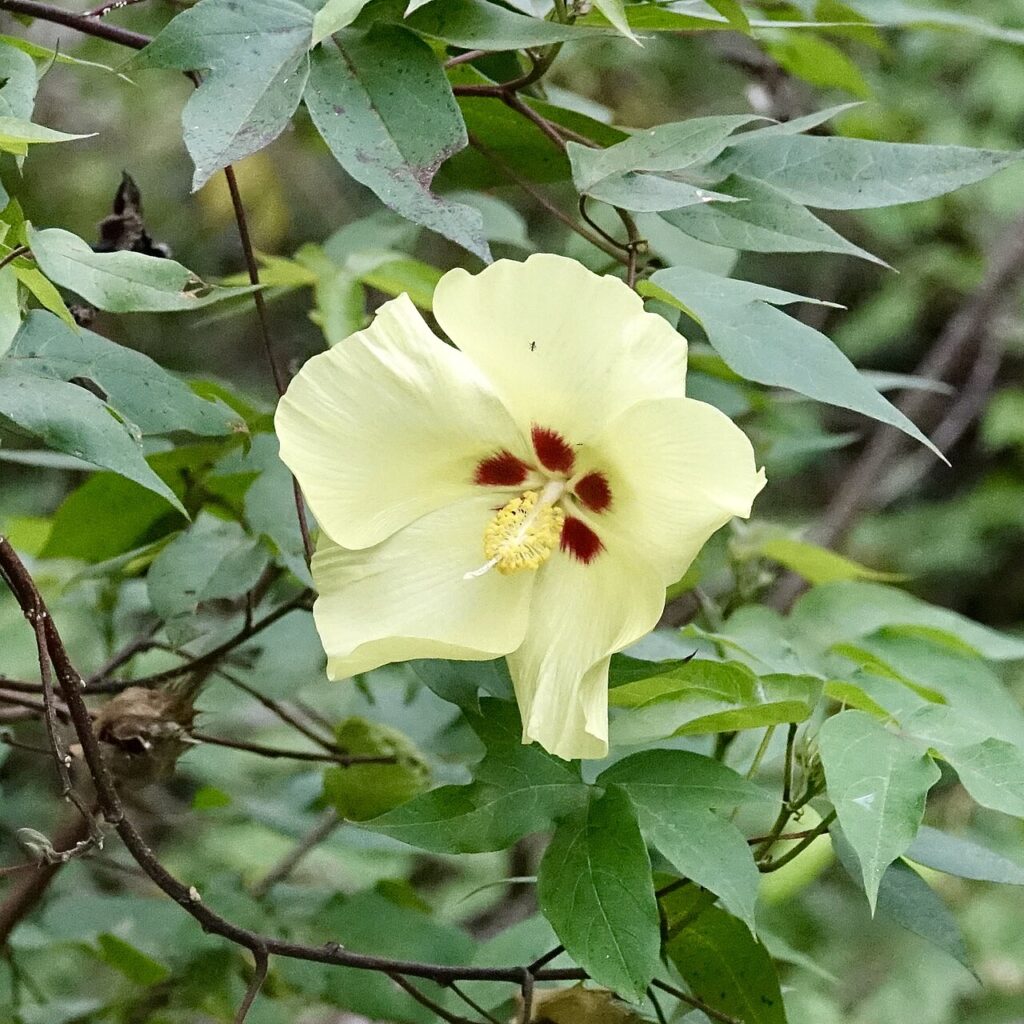
Scientific results? Modest.
Educational and adventurous? Absolutely.
And as a small joke, we dedicated our final report to our parents—who, presumably, were able to laugh about it too.
Coffee Beetles, Calabashes, and Christmas Dinners on the Gold Coast and leaving Cote d’Ivoire
Back in Abidjan, we stumbled into an adventure that felt more like a comic strip than a scientific research project.
Together with Vinz, we plunged into the curious world of the coffee berry borer — a beetle no bigger than a pinhead, but with grand ambitions. Inside a single coffee berry, up to fifty of these little rascals could develop.
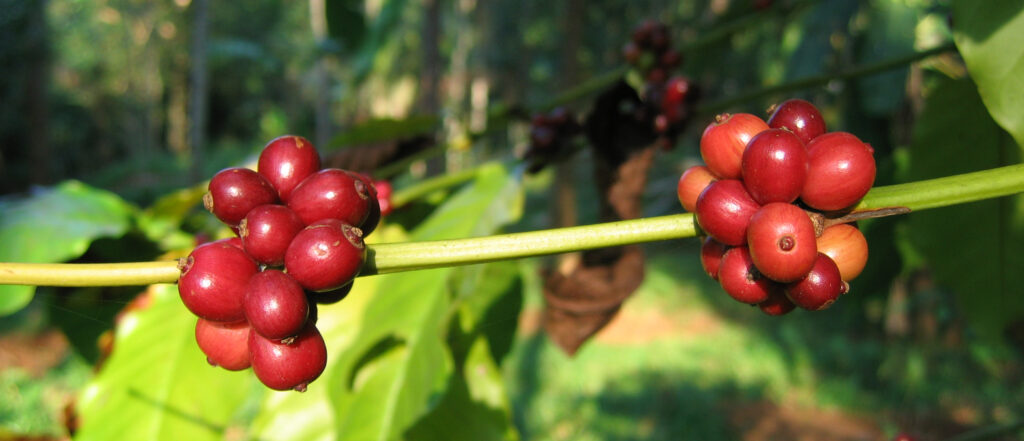
Fig C21 (on the righ)t. A coffee berry completely eaten by the beetles. The beetles are visible on the bean.
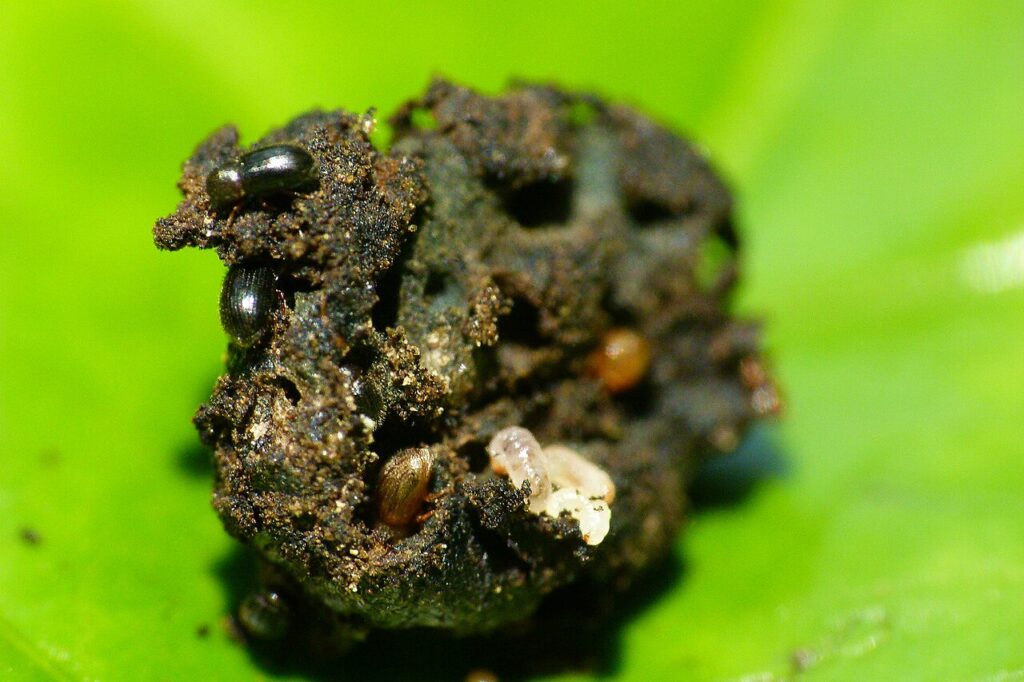
Yes. Fifty. Per berry.
Which means your morning instant coffee was, statistically speaking, a surprisingly protein-rich beverage — if you chose to look at it that way.
Fortunately, this story had a natural hero: the parasitic wasp. She laid her egg inside the beetle larva; the beetle died, and the wasp emerged victorious. We studied this epic battle on a square-millimeter scale, as if it were the Champions League. I even developed a mathematical formula to calculate exactly how many beetles met their end.
Sadly, that formula disappeared into the depths of a desk drawer. Professor Wiggers was not amused — he had hoped it would make its way into Vinz’s PhD thesis.
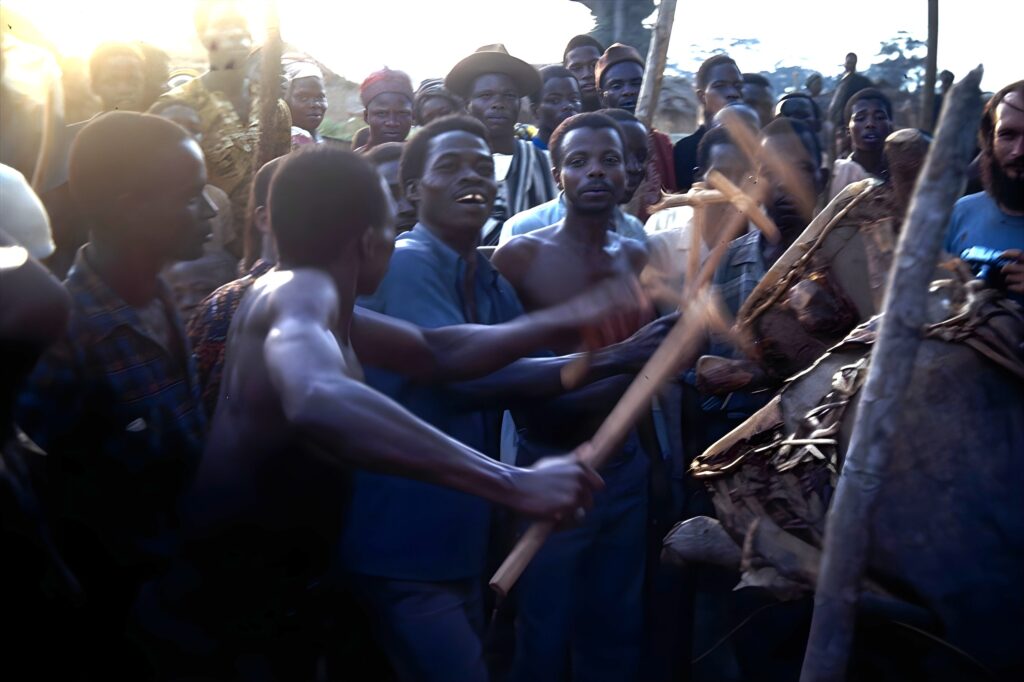
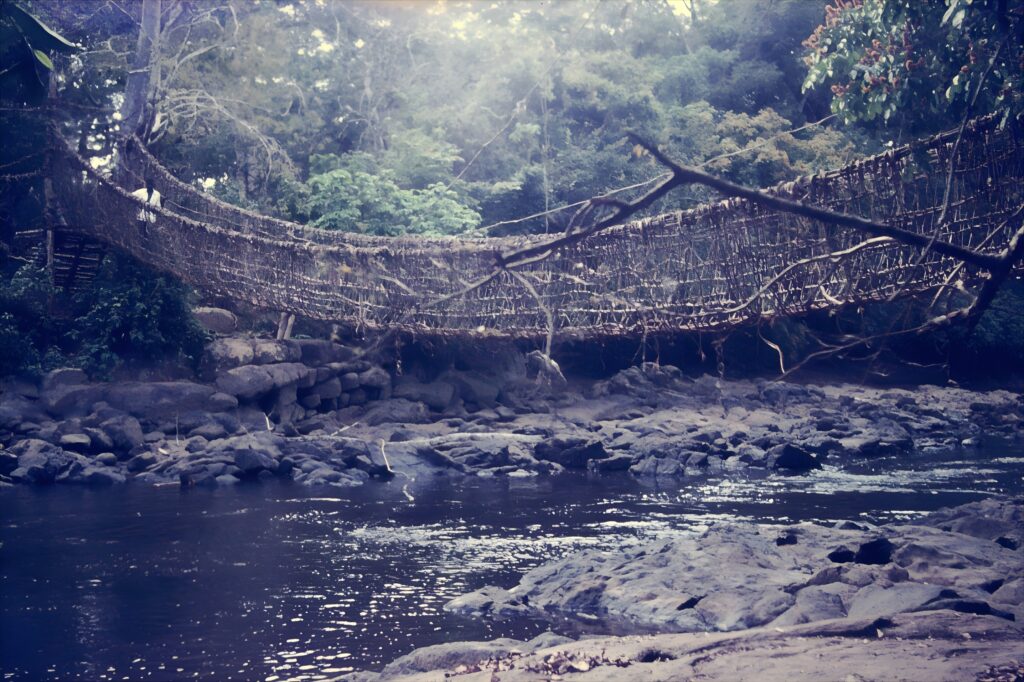
At some point Vinz became so pleased with our work that he entrusted us with his car. He sent us out across the country to map beetle and wasp populations in coffee berries. Our travels took us to remote villages where children fled screaming because they had never seen a white person before. We ended up at new-moon festivals where people fell into trances and the night vibrated with energy.
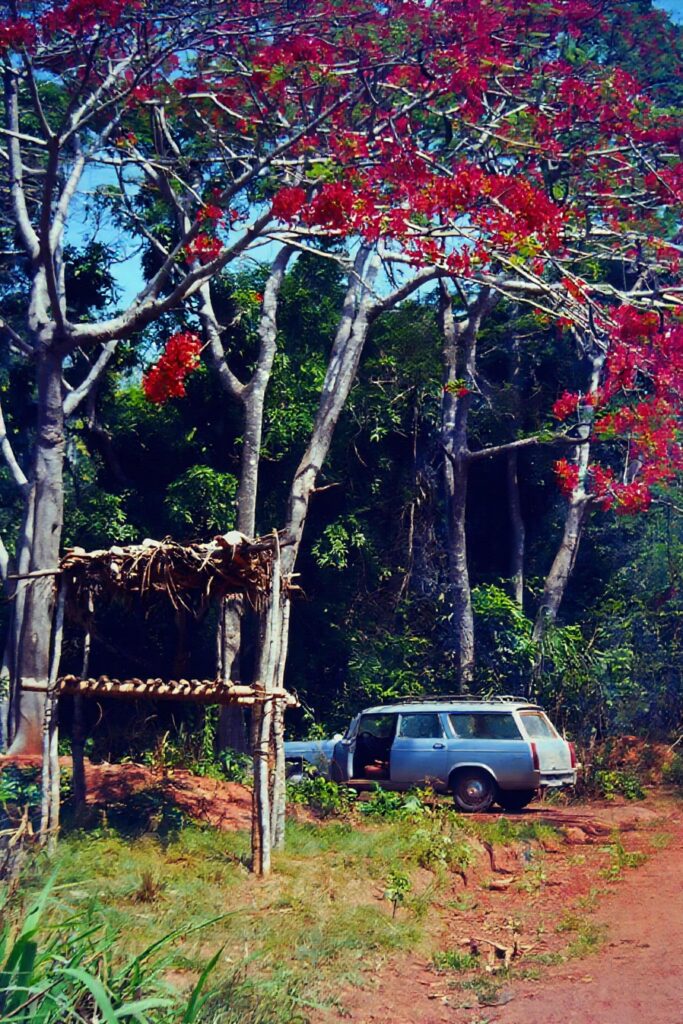
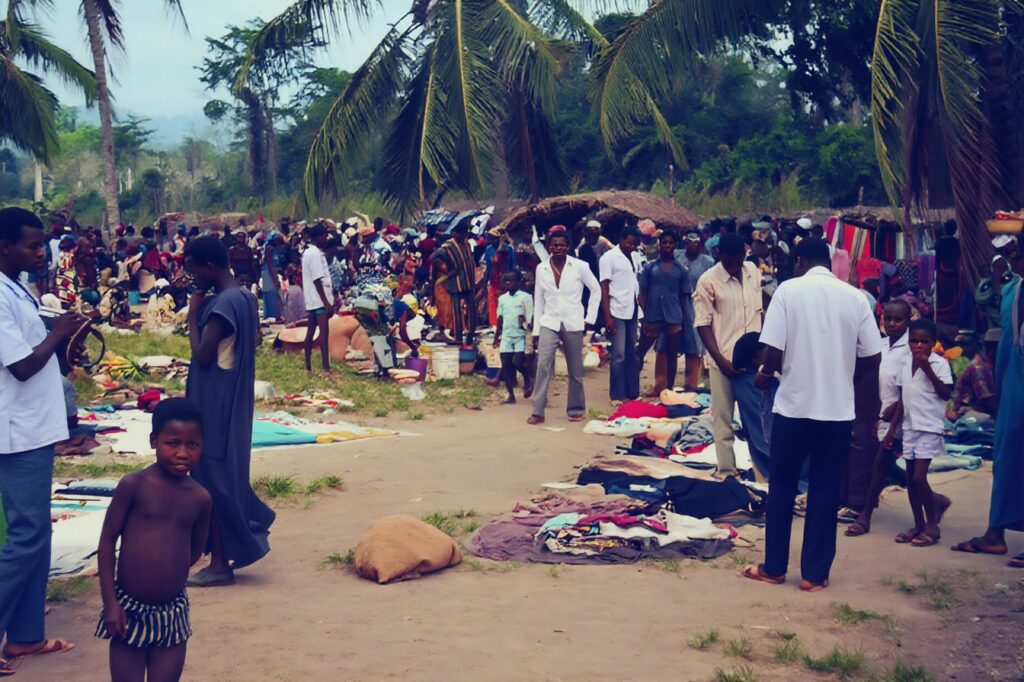
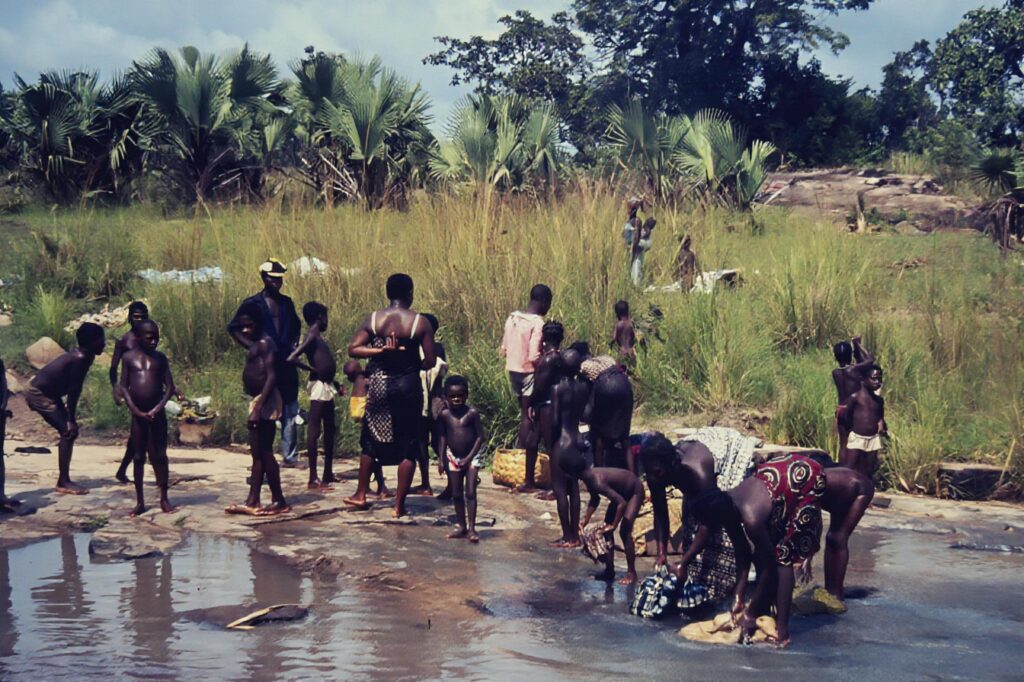
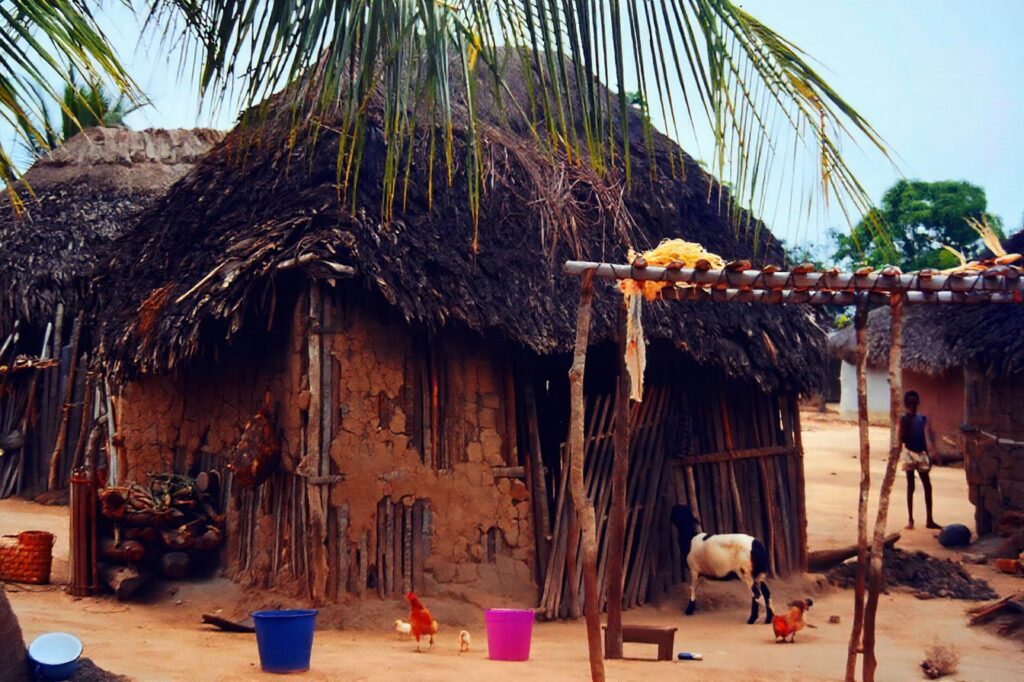
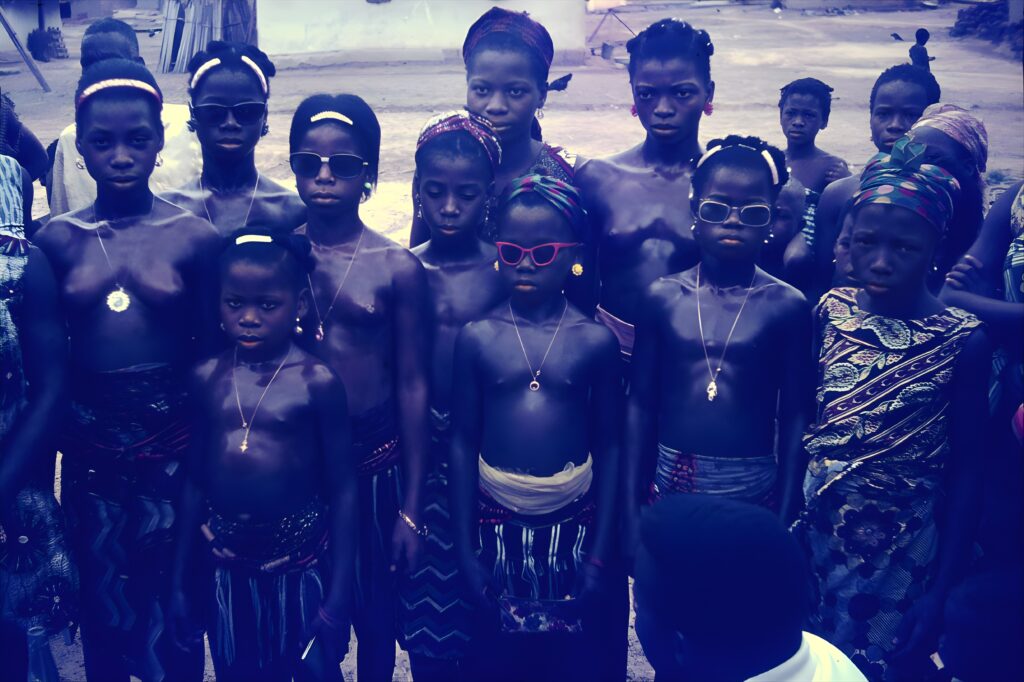
In other villages we were offered palm wine — served in a calabash that had to be held in your right hand. The rules were simple: drink it in one go. Three times. No exceptions. Politely declining? Impolite. After the third calabash, it was wise to sit down — preferably against a sturdy tree.
As if that weren’t culturally immersive enough, we also received a request from a friend in Wageningen — an anthropologist affiliated with Utrecht University. Could we, in between parasitic wasps, collect fingerprints from children of the Baoulé people?
No problem, we said — and spent a week moving from school to school.
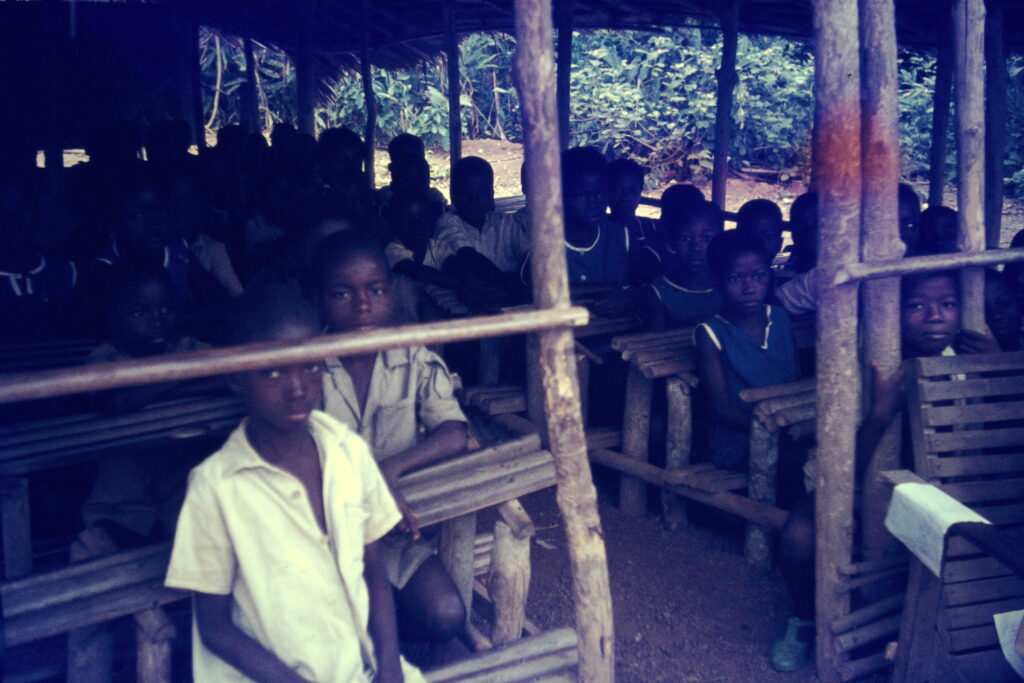
Sometimes a child turned out not to be Baoulé; we still took the prints, but discarded them later (scientific integrity above all). Missing a finger? No matter — we simply carried on with the remaining ones, while the teacher maintained discipline in the background with a firm hand. Let’s call it… direct pedagogy.
The result? Published — and likely used in a dissertation that may very well have earned someone the nickname “Dr. Finger.”
Christmas we celebrated in style at Fort Metal Cross in Dixcove, Ghana — a former Dutch, Prussian, and British stronghold on the Gold Coast. It felt like a lost paradise: we attended a church service, swam in a turquoise bay, and ate Christmas dinner with sand between our toes.
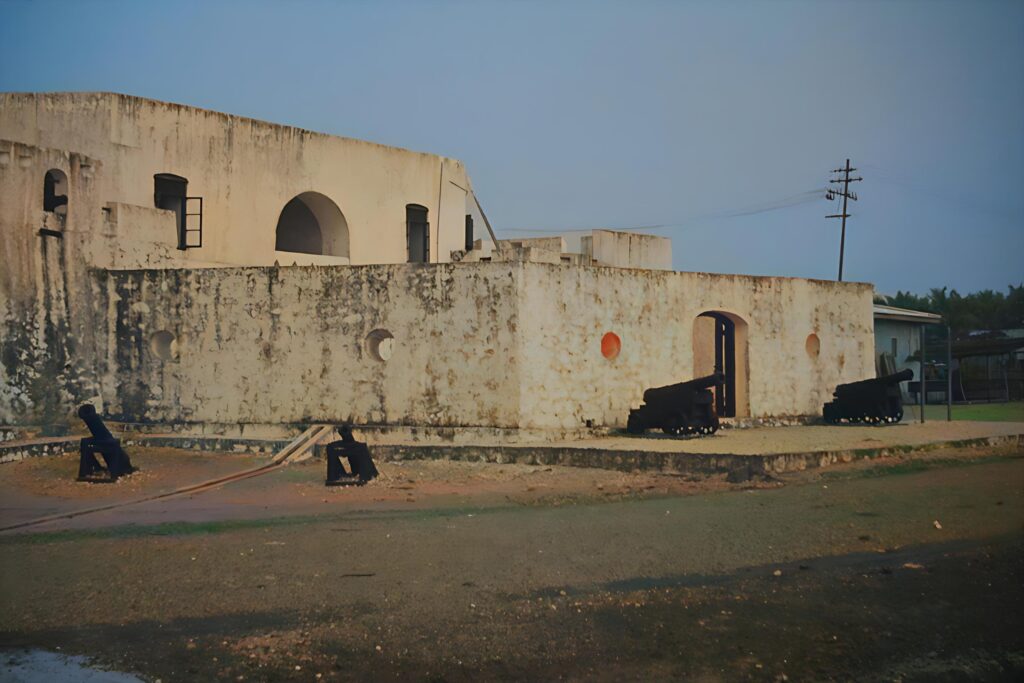
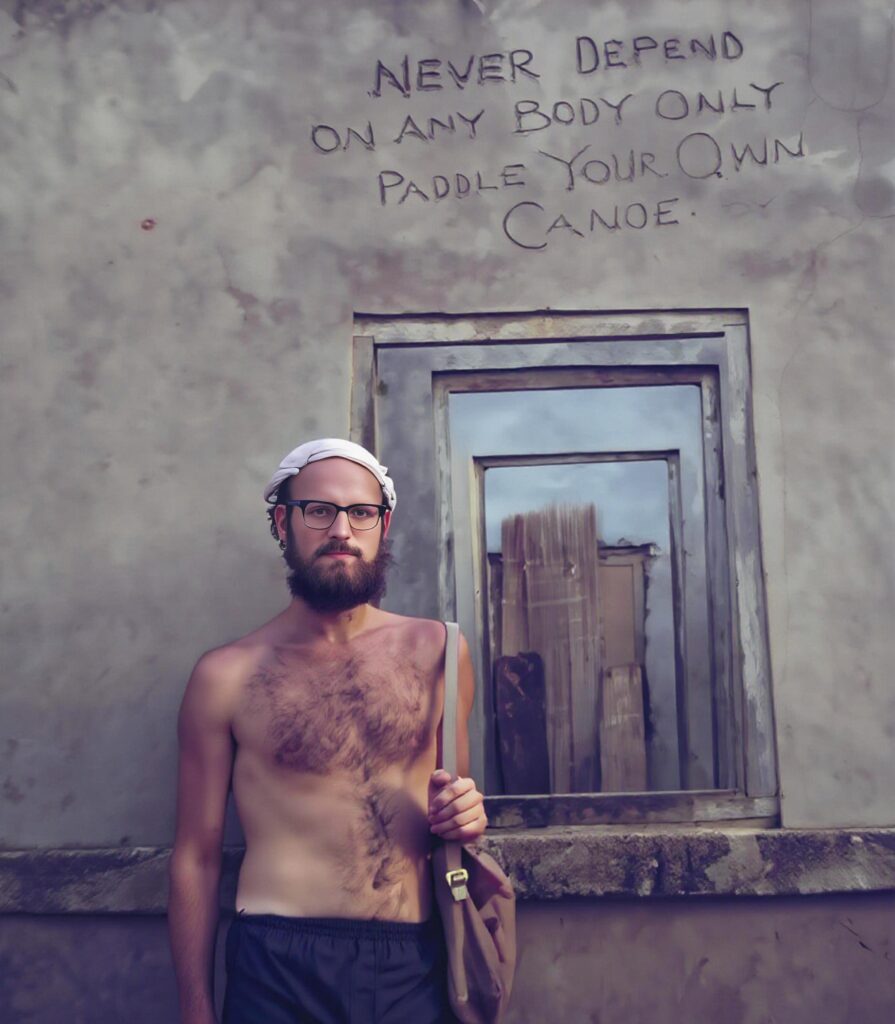
Fig. C31. (on the right). The author standing in front of a house with a wise saying.
After six months among beetles, calabashes, and sheets full of fingerprints, Oliver and I decided to move on — to Kenya.
On a fresh morning, Vinz dropped us off at the coastal road. Pieter, our housemate, waved goodbye with the poetic words:
“Tomorrow morning I’ll be drinking tea with my mother.”
We looked at each other.
Tea with mother?
No.
For us, the adventure was only just beginning.