
Chapter 3. Safari and Termite research
Under the Stars of the Serengeti
Some of the best journeys are never planned. They are born in a moment — somewhere between a conversation and a sudden decision, on a warm Nairobi evening.
We had been invited to dinner by a staff member of the International Insect Institute. At that very time the institute’s governing council had gathered in Kenya to review its progress. It was a remarkable evening: formal conversations, diplomatic smiles, and the occasional unexpected turn.
Among the guests was an American woman representing the World Bank. She hadn’t come alone. Traveling with her was a friend — an adventurous soul with a single goal: to explore the great wildlife parks of Kenya and Tanzania.
She had already found the perfect vehicle: a rugged Land Rover.
There was just one problem.
She didn’t have a driver.
We didn’t hesitate for a second.
“We’ll drive you,” we said, almost instinctively. Free of charge, happily. Her face lit up immediately. Within hours the roles were clear: she would stay in comfortable safari lodges, while we would sleep just outside — in the Land Rover, or if the night was warm enough, underneath it, beneath the vast African sky.
And just like that, two unforgettable weeks began.
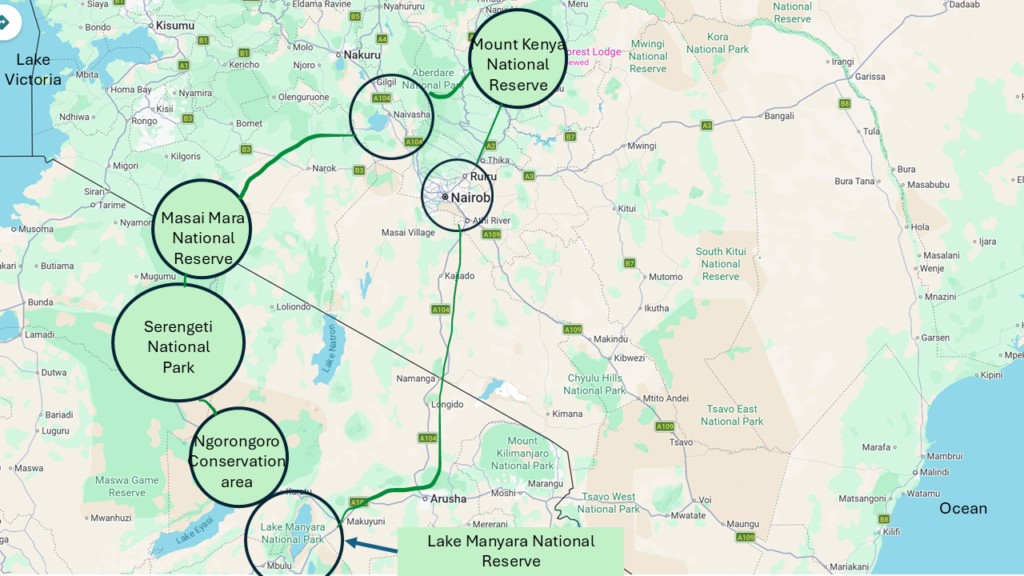
Fig. K1. The parks we visited in Kenya and Tanzania
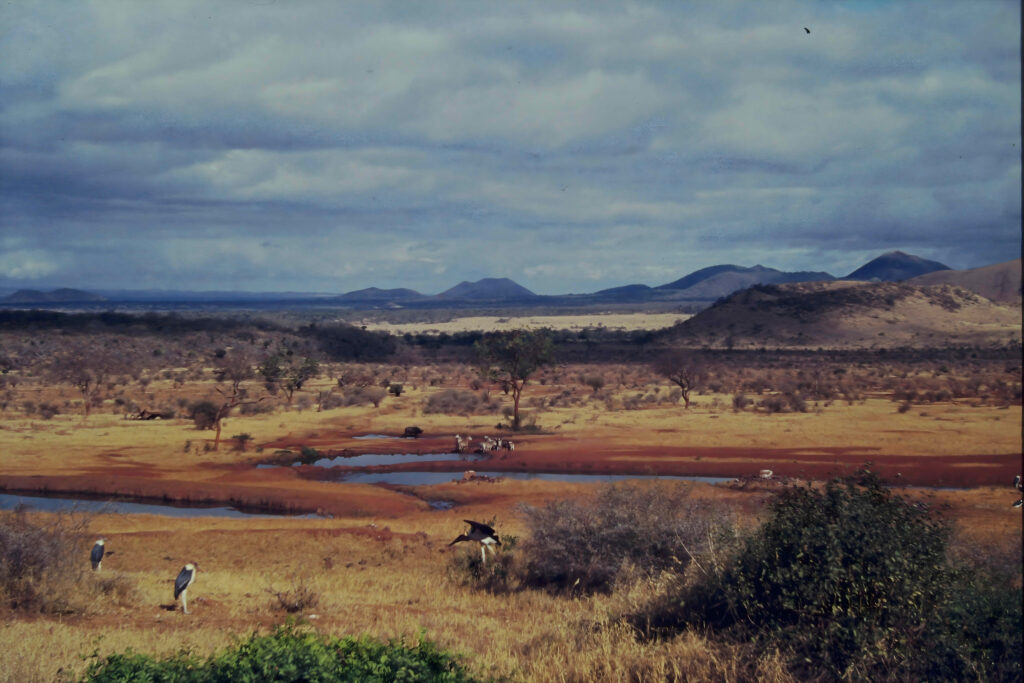
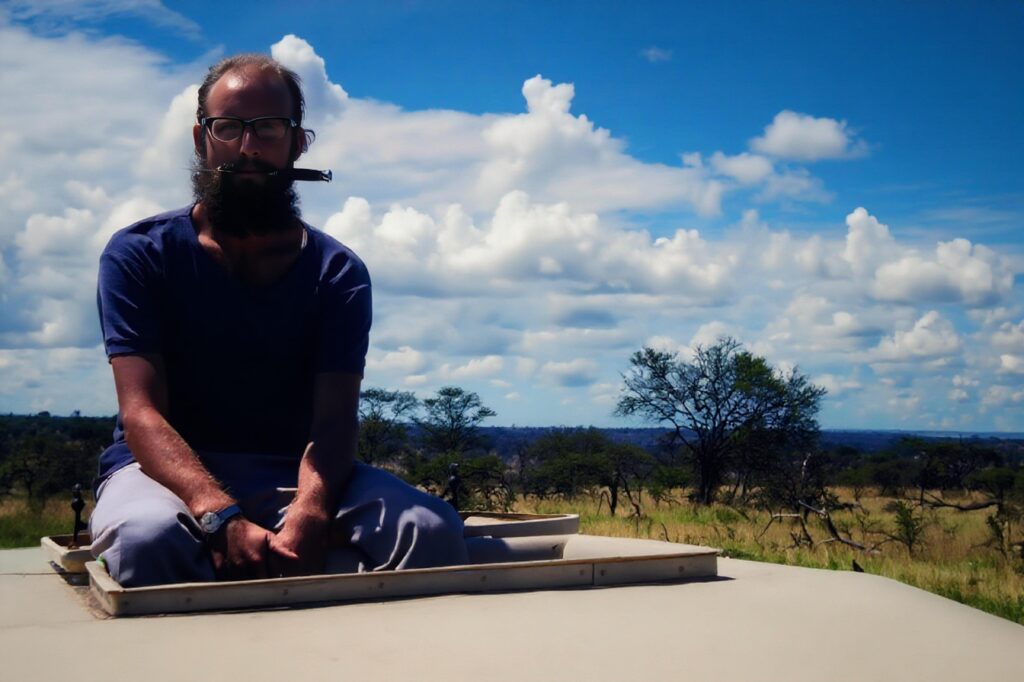
We set out across East Africa like a small expedition, driving along dusty tracks between acacia trees and volcanic hills, moving from one national park to the next.
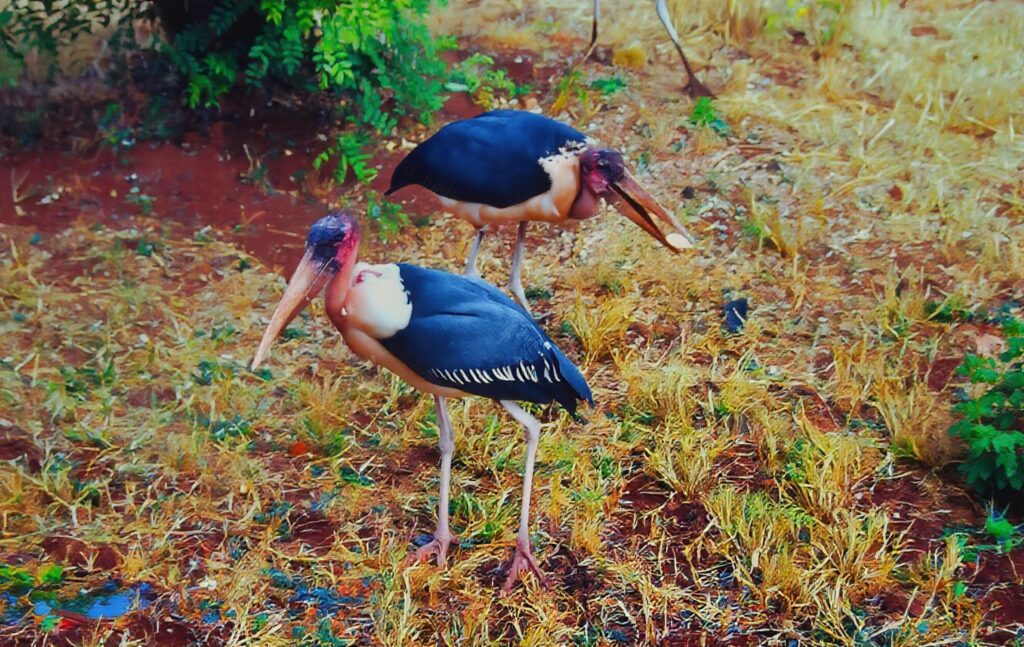
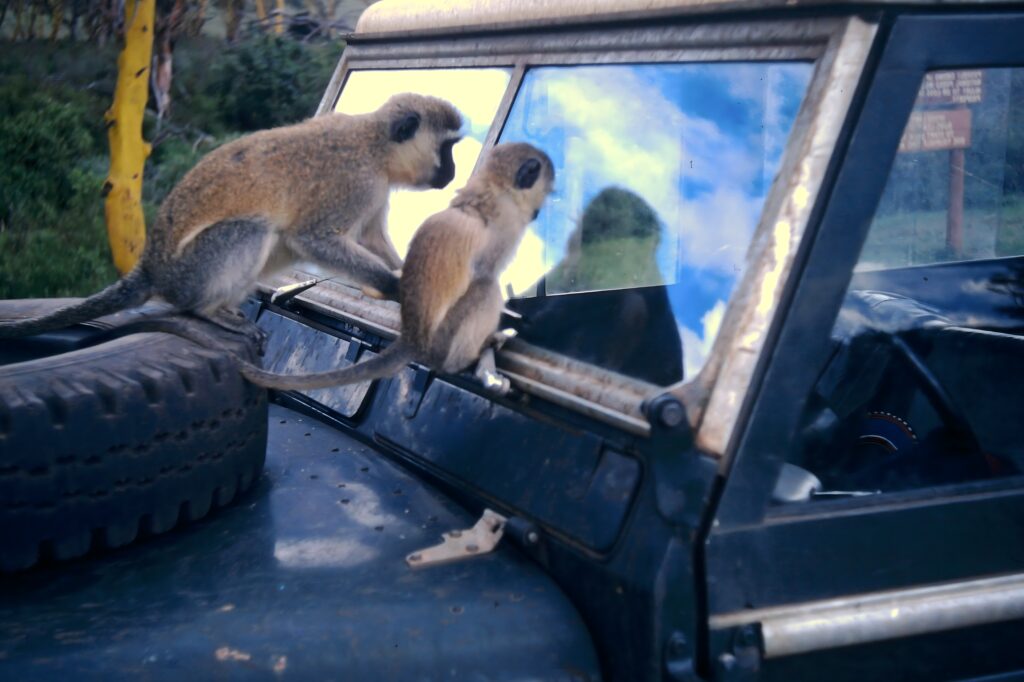
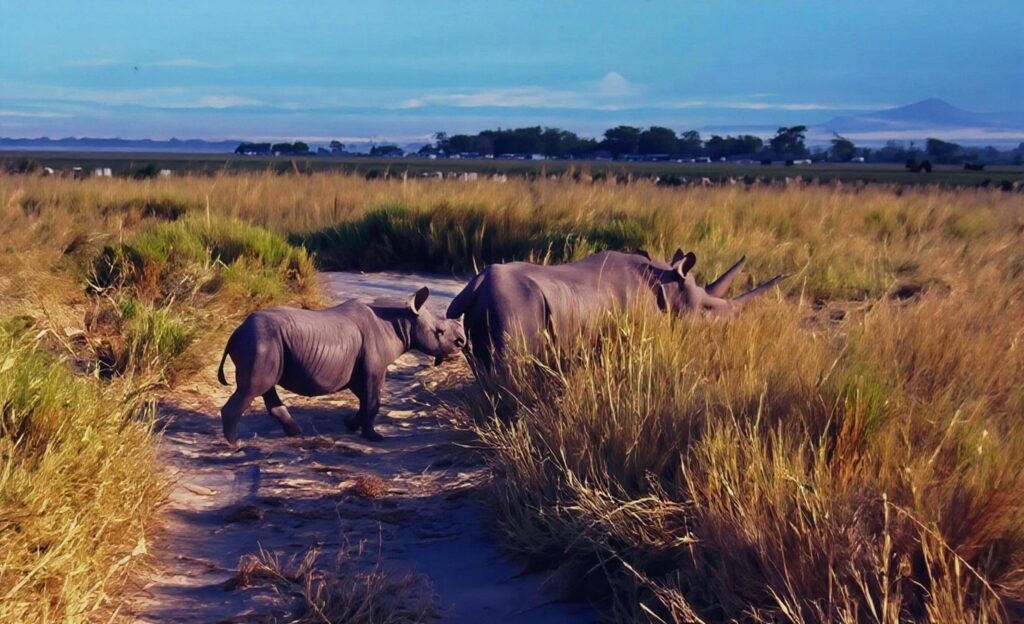
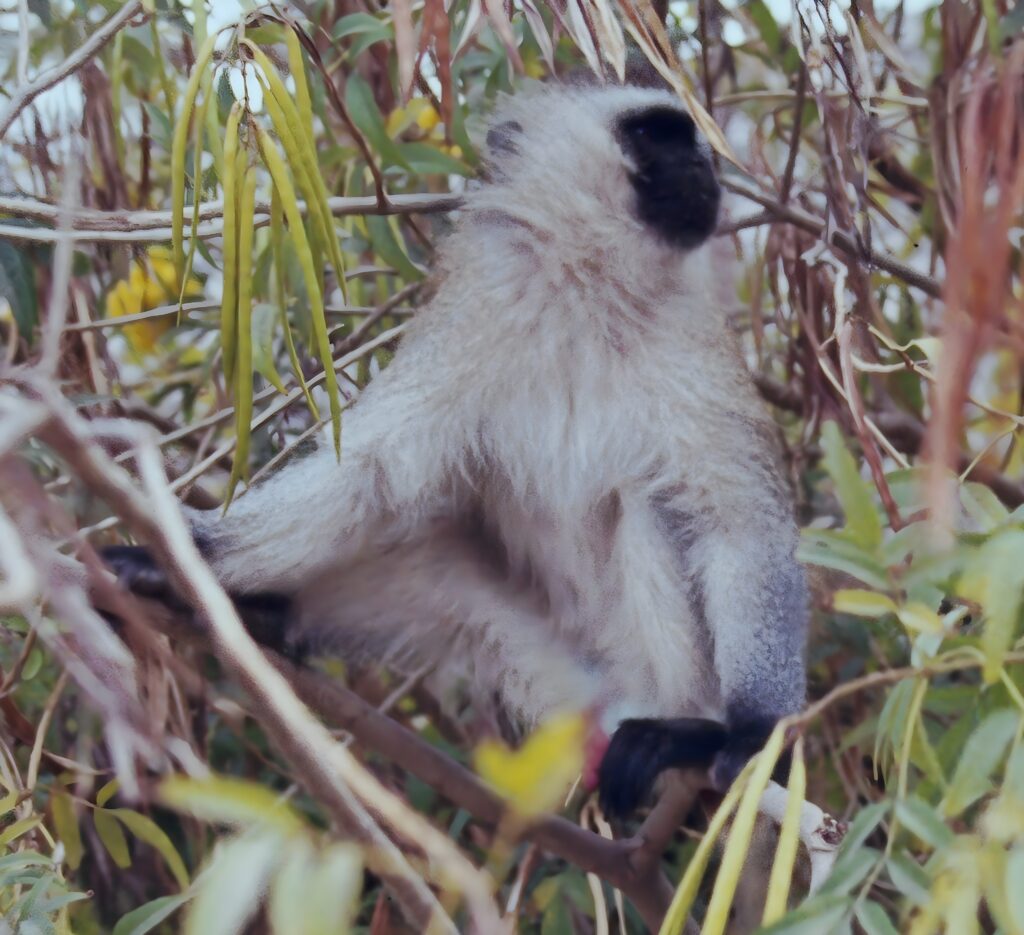
Our journey began in Mount Kenya National Park, where dense forests climb toward the mountain’s towering peaks. Monkeys, rhinos, and brilliantly colored birds appeared even before breakfast.
From there we traveled toward Lake Naivasha, where hippos graze along the shoreline and fish eagles scream above the shimmering water.
But the true highlight lay farther south, across the border in Tanzania.
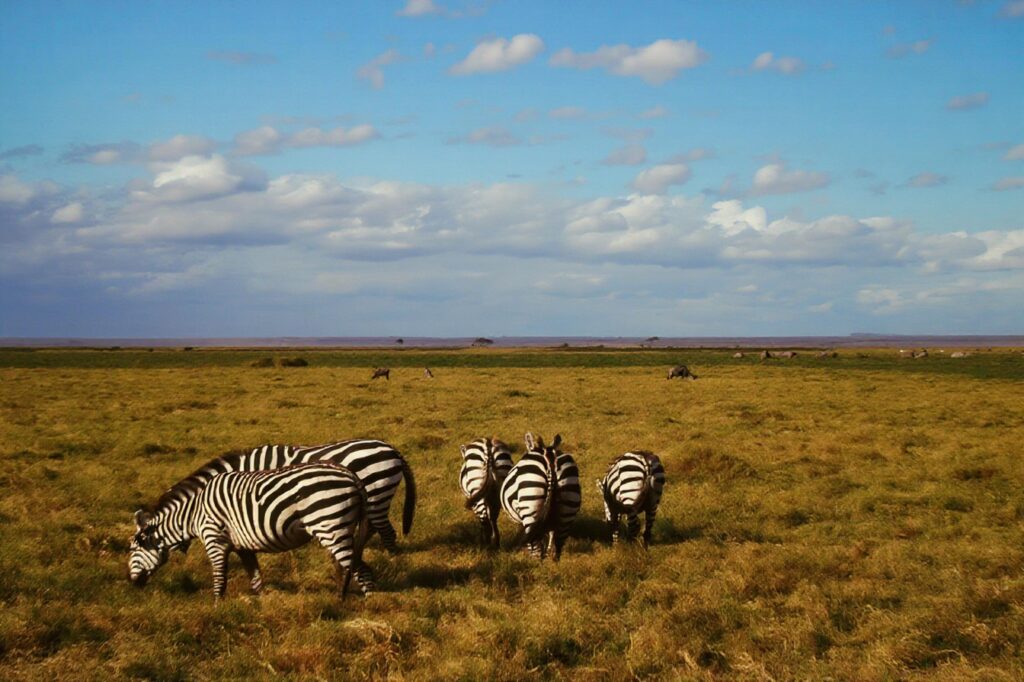
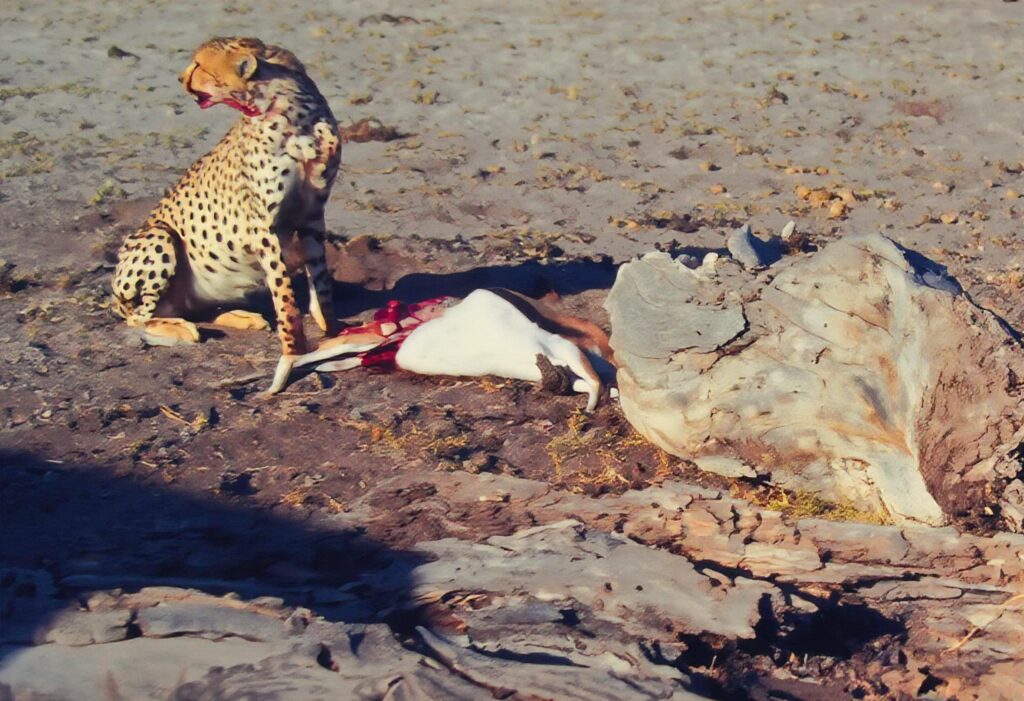
The Serengeti unfolded before us like a living painting — endless plains filled with thousands of zebras, wildebeest, gazelles, buffalo, and antelope, moving across the land like a living tapestry under the sun. In the distance, dust would rise: perhaps lions on the move, or a cheetah beginning a hunt.
At any moment, a new story could begin.
In the Ngorongoro Crater — an extinct volcano now home to one of the richest ecosystems on Earth — those stories came uncomfortably close.
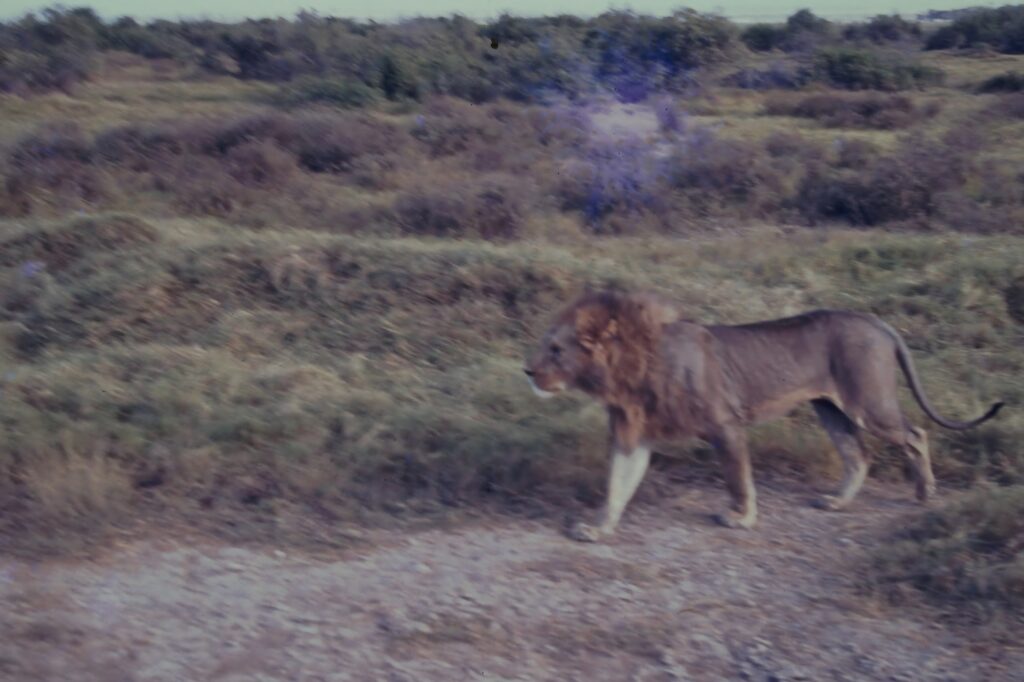
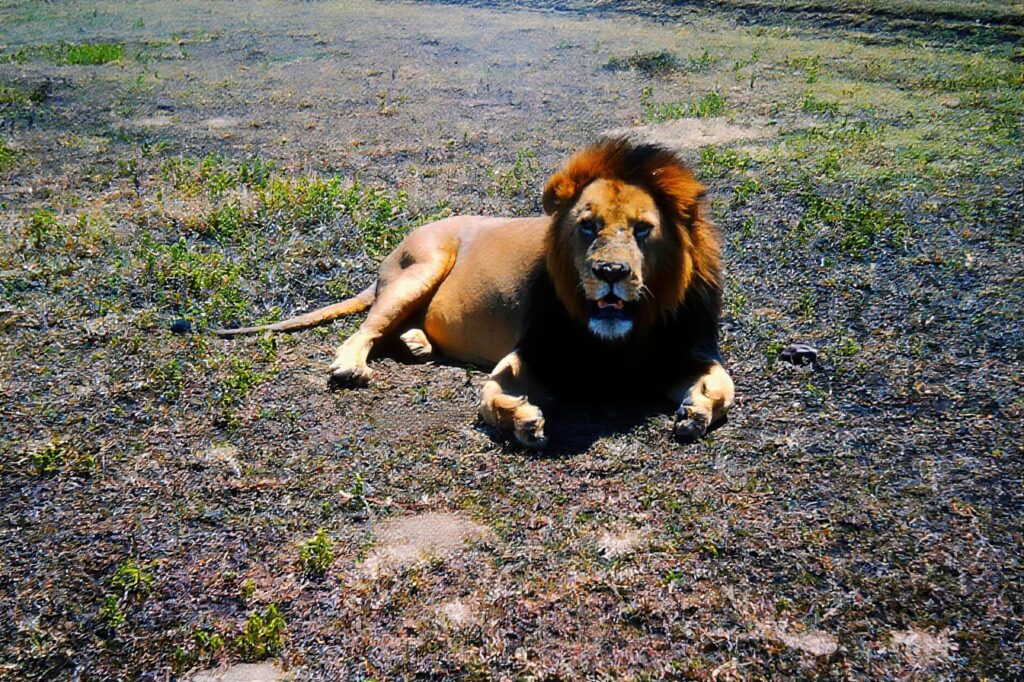
While we sat quietly in the car, a group of lions decided that the perfect place for a nap was right in front of our vehicle… and another group settled down behind us. We were trapped, quite literally surrounded by the kings of the savannah.
So we did the only thing possible.
We held our breath.
We waited.
And we savored a moment that no one could ever plan.
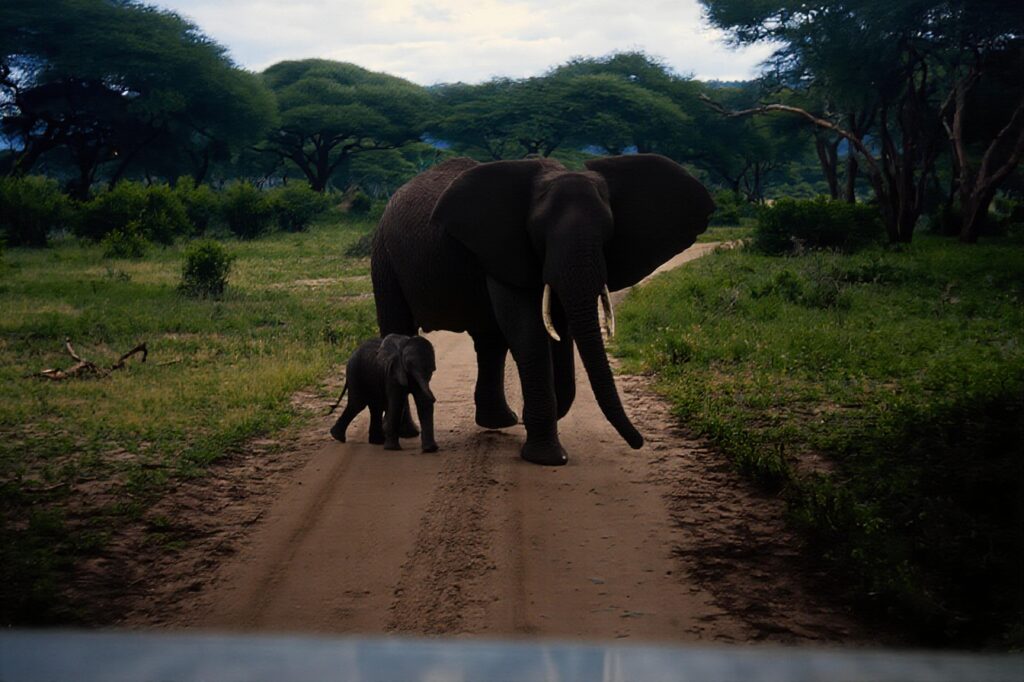
Later, in Lake Manyara National Park, famous for its tree-climbing lions, an elephant mother crossed the road with her calf barely ten meters in front of us. Massive, silent, majestic.
One slow step closer to the essence of life on Earth.
But not everything went smoothly.
One early morning, shortly after breakfast, we drove to the lodge in the Serengeti to pick up our American companion. We found her completely distraught. During the night she had been robbed — all her money gone.
In an instant her dream journey had collapsed, right in the middle of paradise.
Ironically, we — the “poor hitchhikers” — were the only ones who could help. We cashed a few of our traveler’s cheques, enough to get her back on her feet.
No hesitation. No conditions.
She paid us back later when we returned to Nairobi — but that wasn’t really the point. What mattered was the trust.
And the experience itself?
Priceless.
The Big Surprise
Back in Nairobi, we had no idea what awaited us.
The journey was over — but now what?
An uncomfortable question hung in the air: would we simply have to go home because there was no work for us at the institute after all? The thought was far from appealing. After all, we hadn’t traveled all the way to Kenya just to leave again without doing any fieldwork.
The institute itself was a fascinating place. Scientists from all over the world worked there side by side — biologists, entomologists, ecologists — each studying a small piece of the vast and intricate world of insects.
In the hallways you could hear English, French, German, and sometimes languages we didn’t even recognize. Everyone seemed deeply absorbed in their work.
Everyone except us.
Fortunately, the uncertainty didn’t last long.
The morning after we returned, the long-awaited news finally arrived. One of the researchers — a Swiss scientist who had been working at the institute for quite some time — approached us with a proposal. He asked whether we might be interested in helping with a research project on termites.
Not just any termites.
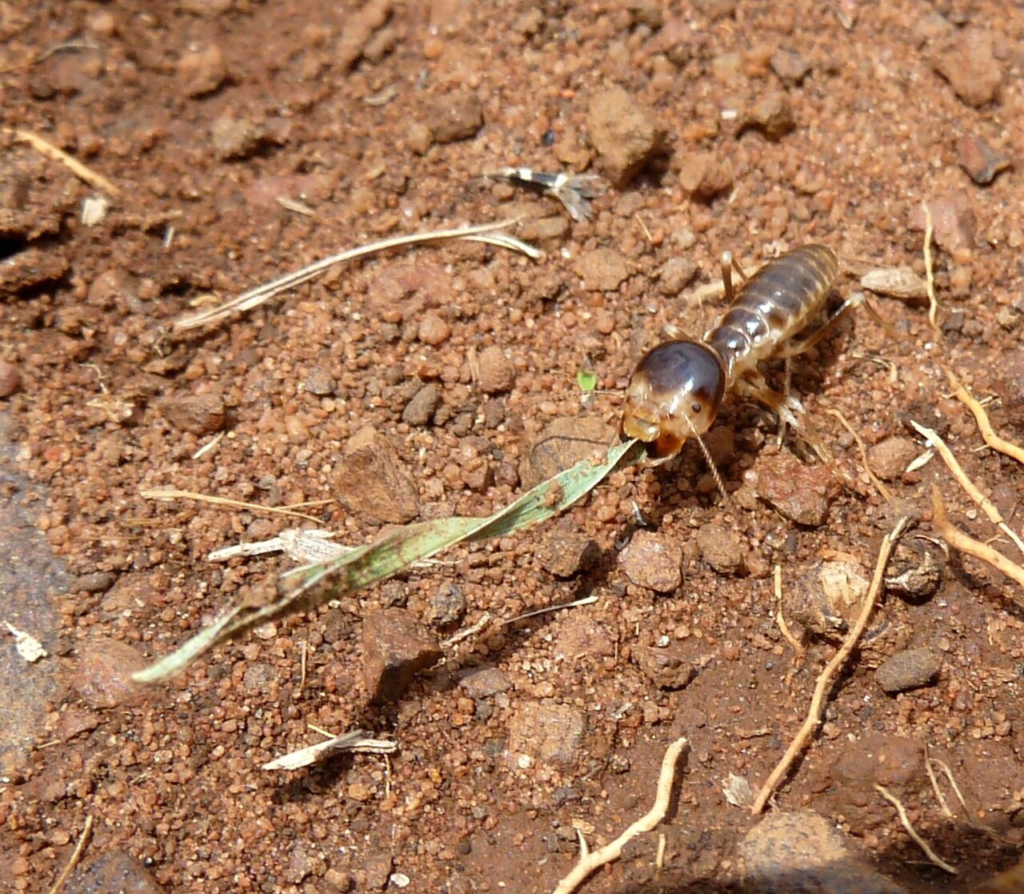
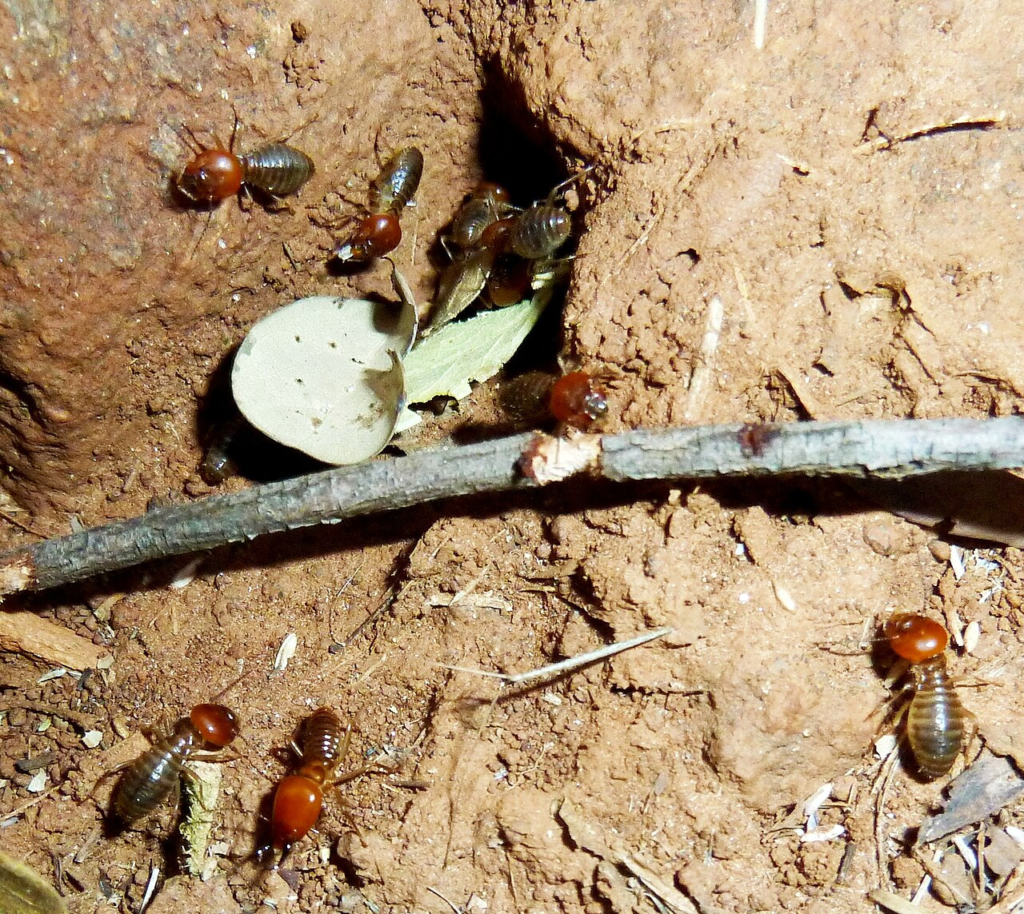
This project focused on a remarkable species known as the harvester termite, Hodotermes mossambicus. These termites were famous for their unusual behavior: they harvested plant material and carried it in great numbers back to their underground nests.
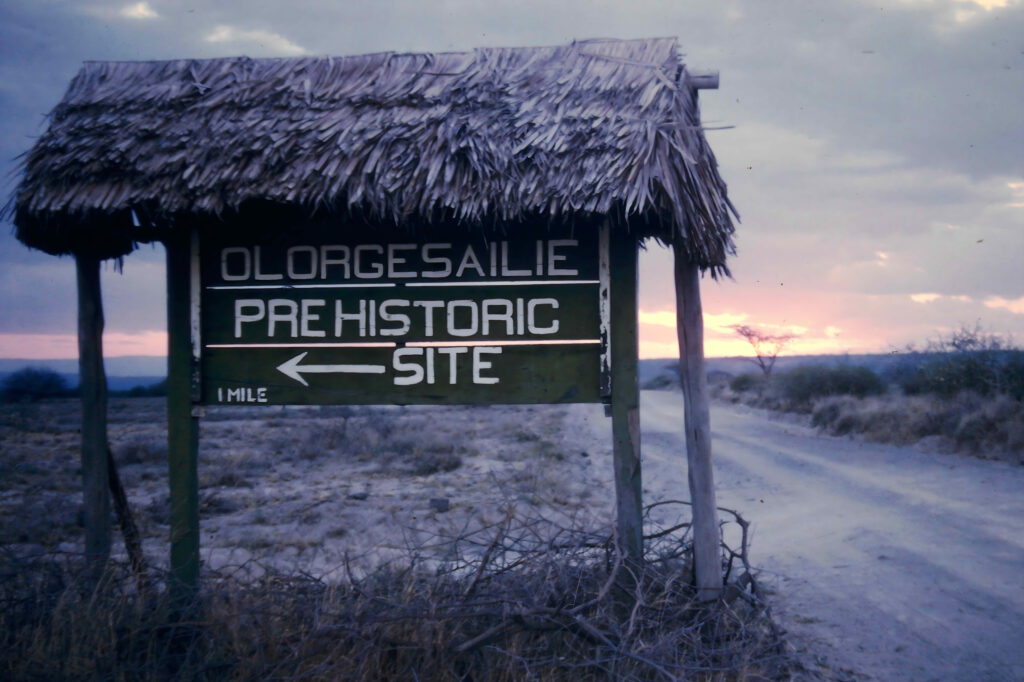
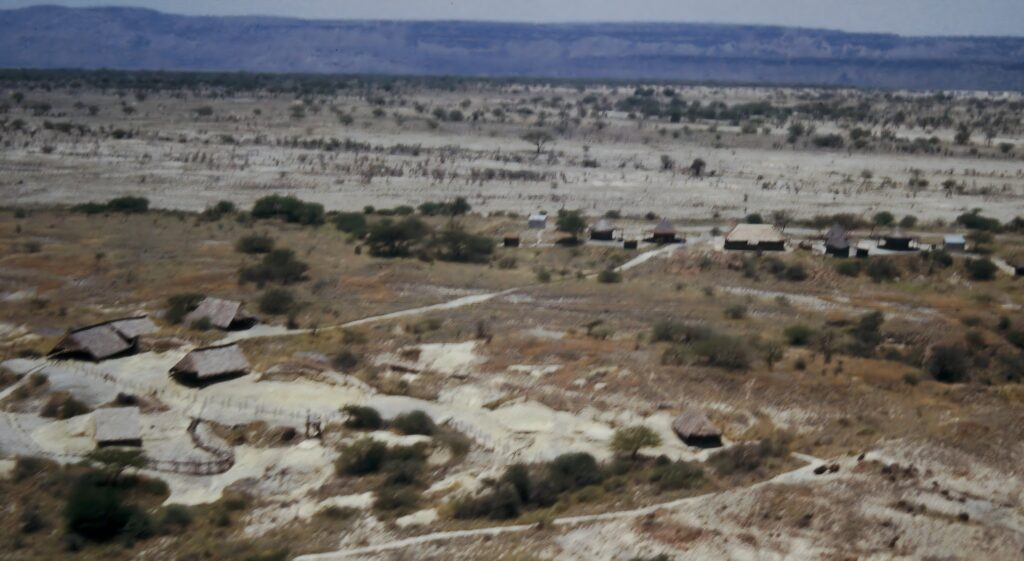
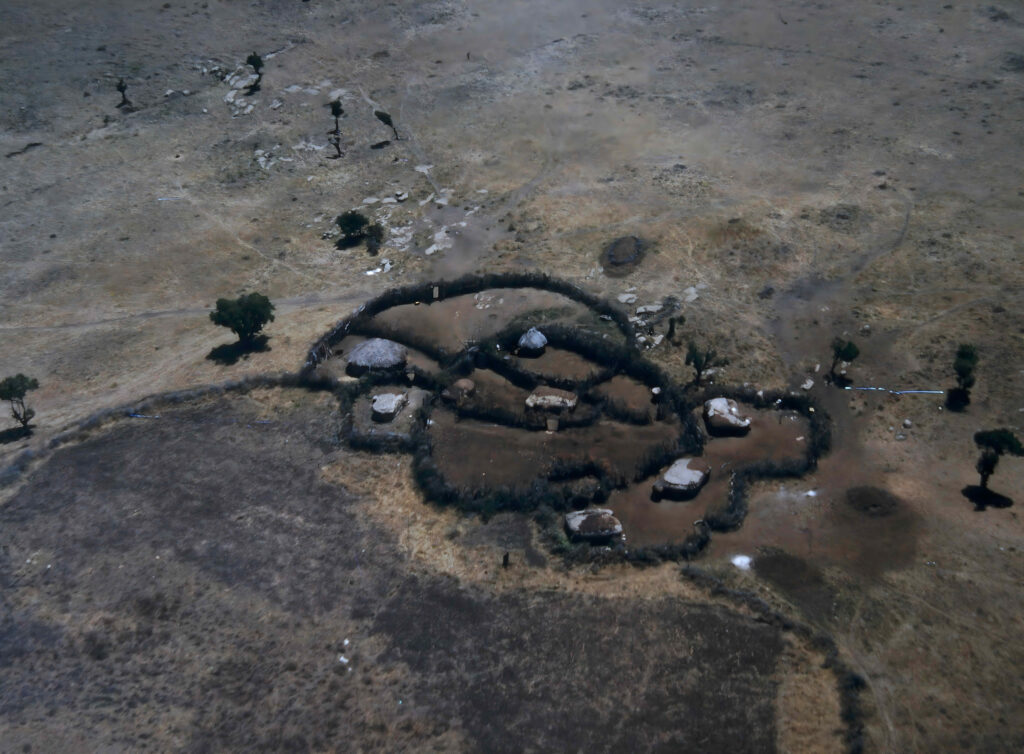
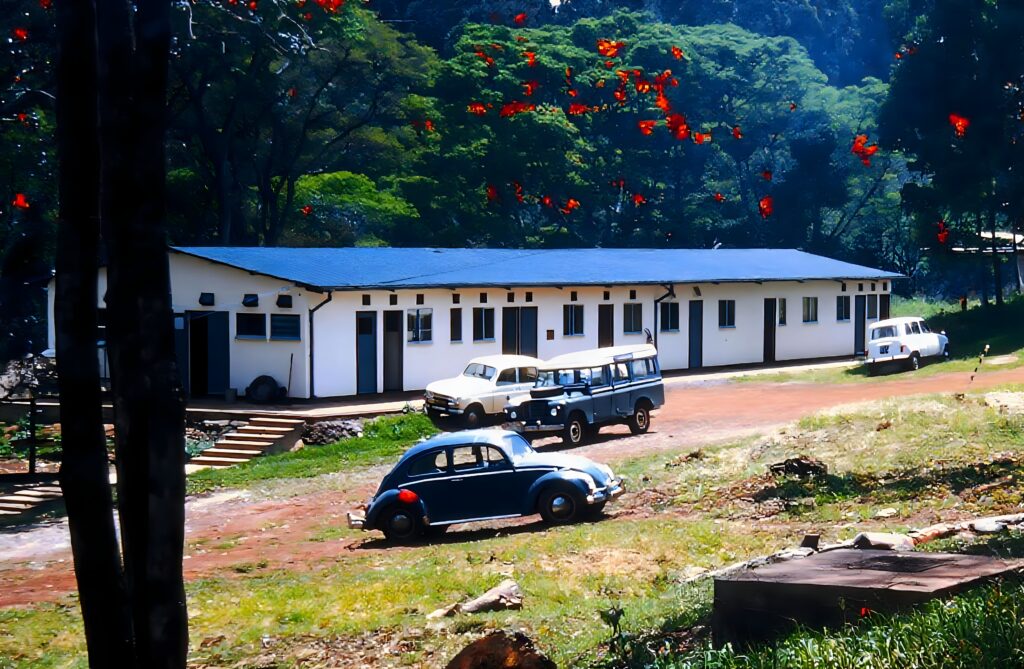
The journey brought us to a place that felt almost unreal — a so-called prehistoric site where traces of very ancient human habitation had been discovered. Scattered across the rugged landscape stood a few simple huts.
The offer was better than we had dared to hope.
Not only could we participate in the research, we would actually be paid for our work. Even better, the institute would provide all the equipment needed for the field study.
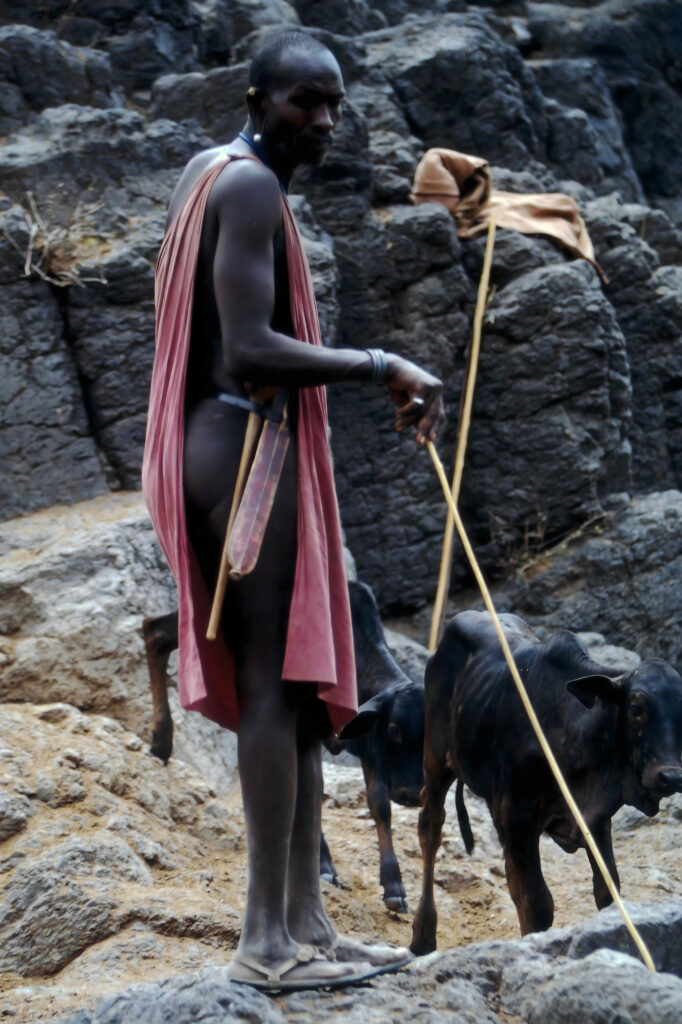
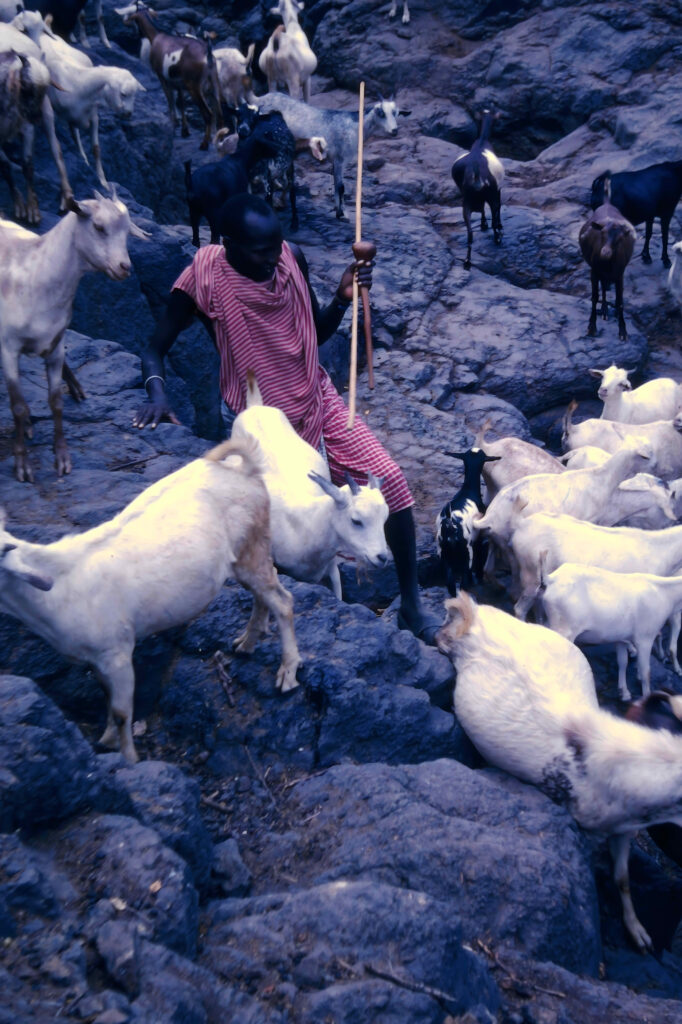
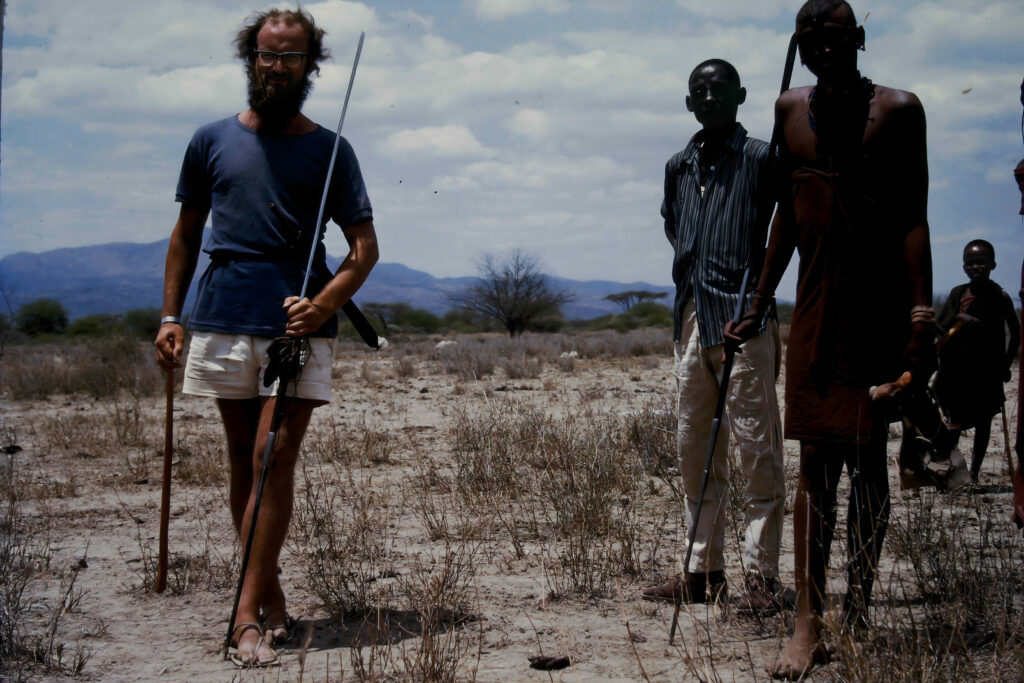
The research would take place in a region inhabited by the Maasai, out on the vast Kenyan savannas where this termite species was particularly common.
That very week we set off with the Swiss researcher to explore the study area.
To our surprise, the researcher had arranged for us to stay in one of them.
In a single moment everything had changed.
Instead of heading home, we were suddenly standing at the beginning of a new adventure — in the middle of the African savanna, among the Maasai, searching for the hidden world of termites.
And this was only the beginning.
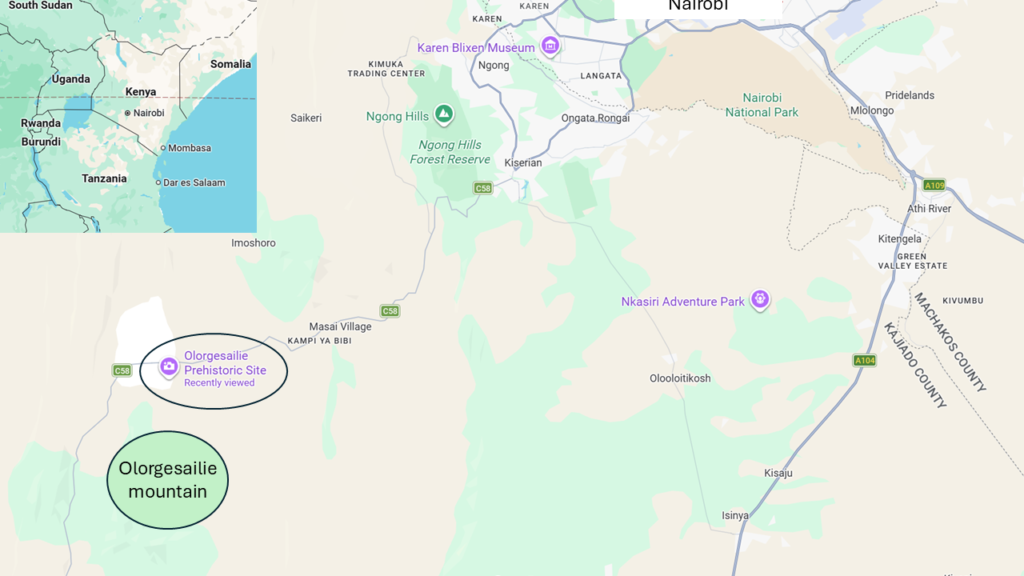
Fig. K16. tHE PREHISTORIC SITE FROM WHERE WE CONDUCTED OUR RESEARCH
The Start of Our Research
When our research finally began, everything seemed fairly straightforward.
We selected a patch of land that looked completely empty — a stretch of open ground in the vast African savanna. To us it was simply a quiet place where we could run our experiments undisturbed. We fenced off the area with barbed wire to keep curious wildlife away and got to work.
But what looked like empty land to us turned out to mean something very different to others.
Before long, Maasai from nearby villages began to appear. They were clearly not pleased. How could we possibly think we could fence off a piece of their land? To them this was not wilderness or “nobody’s land,” but grazing ground their cattle had used for generations.
We decided to deal with the problem immediately.
Together with the caretaker of the nearby prehistoric site — who kindly acted as our interpreter — we visited the head of a Maasai village. We explained what we were actually doing there: studying termites, the small insects that eat the grass their cattle depend on. If we understood how these termites worked, the knowledge might also be useful for them.
To our surprise, the argument worked.
The village chief sent messengers to neighboring villages explaining that we were doing useful work and should be left alone. From that moment on we had no problems at all with the local community. On the contrary — sometimes curious visitors stopped by to see what these strange researchers were doing out on the savanna.
And what were we doing?
Studying termites. Lots of termites.
From fields dotted with tiny holes they would emerge — hundreds at a time. They would walk a few meters across the ground until they found a suitable tuft of grass. There they methodically cut the blades into small pieces. Each tiny fragment was then carried in their jaws back to their underground colony.
For several weeks the activity would take place in exactly the same spot.
Then suddenly it would stop.
A little later it would begin again somewhere else in the field. Sometimes during the day, sometimes at night.
We wanted to know exactly when the termites were active, so we decided to monitor the area around the clock — twenty-four hours a day. The research site lay about five kilometers from our camp, which meant we had to take turns watching.
One evening my daytime shift had just ended. Oliver was about to take over the night shift. As the sun sank below the horizon, I started walking back toward camp through the growing darkness.
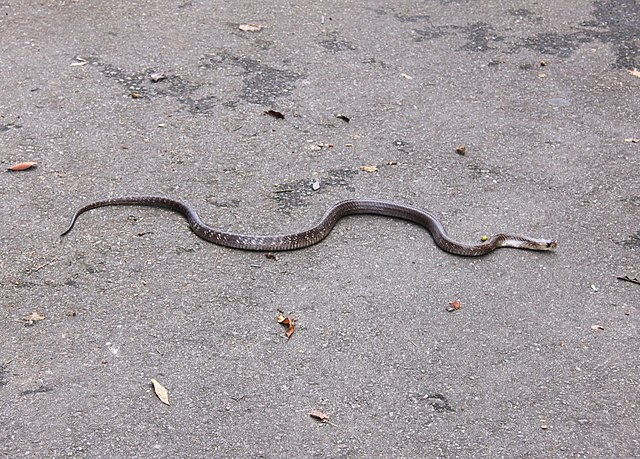

And then I suddenly found myself face to face with a cobra.
It lay right across the path, half raised, hissing.
My heart hammered so loudly it seemed to echo in my throat. Instinctively I jumped backward.
The sand beneath my feet was loose and powdery — exactly the kind of ground where snakes cannot easily glide away. In such situations they are more likely to attack than flee. Later I understood why the Maasai make so much noise when walking at night: singing, talking, tapping their sticks together. Snakes hear you coming and disappear before you arrive.
Fortunately, this encounter ended well. The cobra slowly lowered itself and eventually slid away into the darkness.
Still, I knew it could easily have ended very differently. If it had bitten me, the outcome might not have been good.
That evening I drank an extra beer back at camp.
The next time we visited Nairobi, we immediately bought a snakebite kit. And from that moment on, whenever we walked at night, we made plenty of noise ourselves.
Another lesson learned.
At first our supervisor, Leuthold, drove us to the research site by car. Later we were given bicycles to cover the five kilometers between the camp and the study area.
That sounded like a good idea — until we encountered a plant the locals called “kramkram.” Its fruits were covered in rock-hard spines that pierced our bicycle tires with ease. Before long we were fixing punctures constantly.
So eventually we went back to doing everything on foot.
Fortunately, those walks were never boring.
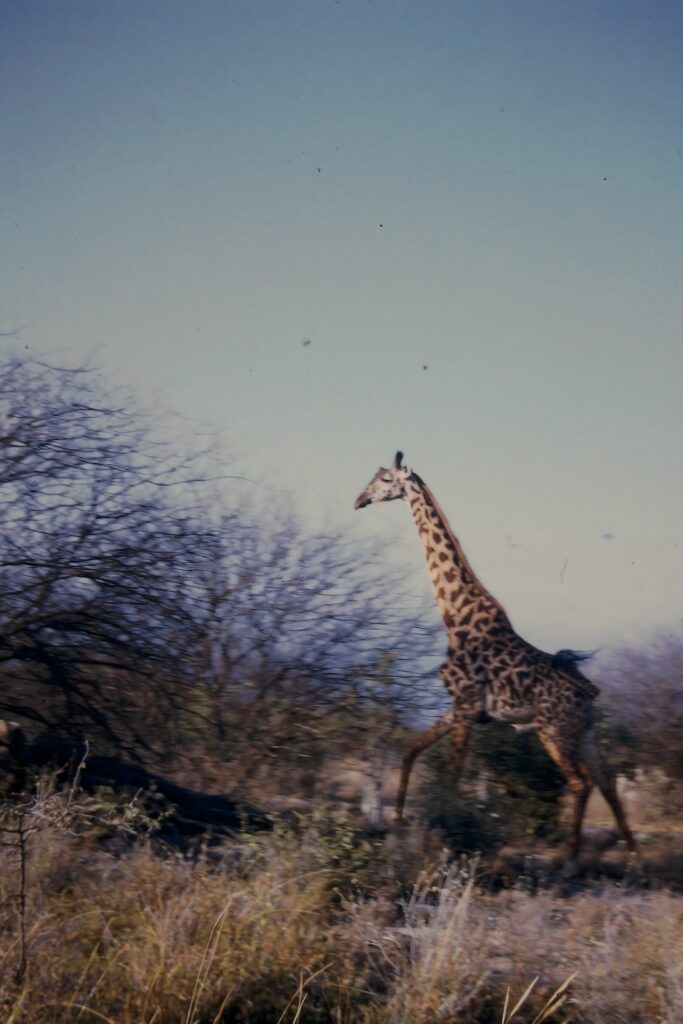
Along the way we regularly encountered wildlife: giraffes, elephants, rhinoceroses, wild dogs, and various species of antelope. Sometimes even at night.
Occasionally we woke up to a strange sound — a heavy thump, as if something large had dropped onto the ground.
Later we discovered what caused it.
When giraffes graze, they spread their front legs wide apart to reach the grass. When they straighten up again, they often make a little jump to rebalance their long bodies. When their front legs land again, they make that dull thumping sound.
From our hut we could see their silhouettes against the star-filled sky — long necks rising slowly above the savanna.
It was a magnificent sight.
Meanwhile our research was becoming more and more interesting.
One day we discovered something that had never before been demonstrated in termites: these insects used the sun — and even the moon — to orient themselves while searching for food. This type of navigation had already been observed in ants, but not in termites.
If true, it was a significant finding.
But it meant we had to prove it carefully.
Our Swiss scientist turned out to be not only a dedicated researcher but also someone who genuinely supported his field team. At first we had expected to work under fairly basic conditions. Yet as he saw how enthusiastically we threw ourselves into the project — digging for nests, tracking colonies, mapping termite activity — he realized how demanding the work actually was. Many of our study sites were scattered kilometers apart across the savanna.
After we shared our suspicion about the termites’ orientation behavior, he surprised us.
Instead of bicycles, he arranged for us to use a car.
To us it felt like pure luxury. What had once taken hours over bumpy dirt tracks could now be done much faster. The work became more efficient — and far more enjoyable.
Suddenly a whole new world opened up. We could visit more colonies, travel longer distances, and even drive to Nairobi to buy supplies. At the same time, it gave us the freedom to explore the landscape around us: endless savannas, scattered acacia trees on the horizon, and the occasional herd of Maasai cattle.
What had begun as a simple termite study was slowly turning into something much larger.
An adventure.
And with that car, it felt as though we had become just a little more part of the vast African landscape in which we were working.
In the weeks that followed we carried out countless experiments: changing light conditions, observing the directions the termites walked, and collecting data at every possible hour of the day and night.
Eventually, we succeeded in proving it scientifically. And so our first scientific publication was born — beginning on a piece of savanna we had once mistaken for empty land, among cobras, giraffes, and millions of termites.
The American Geologist: Of Rhinos, Notebooks, and a Mountain Full of Secrets
In the heart of the African wilderness — between endless savannas and traces of prehistoric life — lay our temporary home: Olorgesailie.
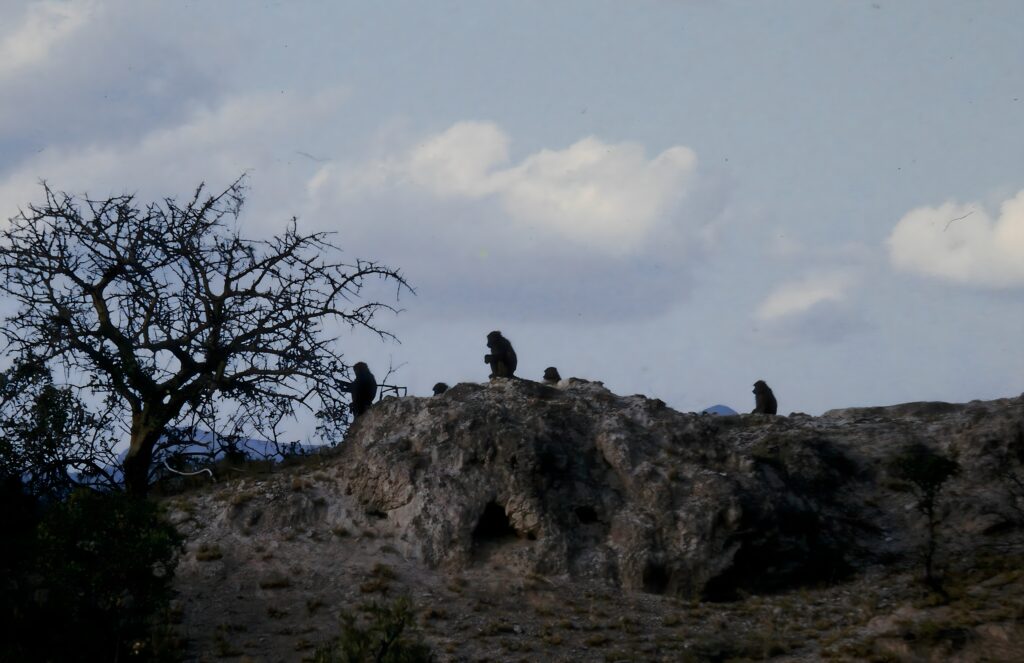
It was a rugged, mysterious landscape where the silence was only occasionally broken by the hoarse calls of baboons or the rustling of a curious antelope moving through the grass.
Halfway through our stay, we were joined by a remarkable visitor: a young American geologist, driven, determined, and on a very specific mission.
His goal?
To unravel the secret of Mount Olorgesailie itself.
Not the animals.
Not the fossils.
The stones.
According to him, the story of the mountain’s birth was written in its rock layers, and he was determined to read it.
Every morning he set out at dawn: backpack on his shoulders, geologist’s hammer in hand, notebook tucked safely away, and a healthy dose of optimism.
Before leaving, he always told us exactly which part of the mountain he planned to explore — just in case he didn’t come back.
Not an unnecessary precaution.
This wasn’t a hiking park. It was a wild area where elephants, buffalo, and — yes — rhinoceroses roamed freely.
And one day it actually happened.
During one of his solo excursions he crossed paths with a rhinoceros.
Now, rhinos don’t see very well. But their sense of smell and hearing more than make up for it. If they feel threatened, there is no negotiation.
They charge.
And fast — over 40 kilometers per hour.
He spotted the rhino too late.
Too close. No cover. No escape.
Only a tree.
Like something out of a movie — but without a stunt double — he sprinted toward the tree at the last second and scrambled up its trunk.
And there he stayed.
For hours.
Sweaty, tense, heart pounding, staring down at an irritated rhinoceros that clearly objected to his presence in its territory.
Only when the sun began to sink toward the horizon did the animal finally lose interest and wander off.
The geologist climbed down with stiff legs but immense relief.
And the next morning?
He simply went back out again — as if nothing unusual had happened.
But his greatest nightmare would not come from the wilderness.
It came from… Nairobi.
On one of his final trips to the city he went to collect supplies and check his mail at the university. He parked his car, walked a few hundred meters to his mailbox, and when he returned he saw immediately that something was wrong.
The car door had been forced open.
His bag was gone.
Passport? Gone.
Money? Gone.
But worst of all — his notebook.
That small notebook contained the exact location of every rock sample he had collected. Without it, the samples he had already shipped to the United States would be useless.
Stones without a story.
Weeks of work — gone.
He panicked. He went to the police.
They shrugged.
“Maybe you should ask around in the underworld,” they suggested.
So he did.
Through a series of contacts he eventually reached people who knew where stolen goods often ended up. Someone advised him to look behind a certain hedge — a well-known place where thieves dumped items they couldn’t sell or use.
A few days later he stood there, heart pounding.
Among discarded junk, in the shadow of a bush…
there it was.
His notebook.
Wet. Crumpled.
But still readable.
Saved.
His passport and money were gone forever, but he didn’t care anymore. His research, his work, his doctorate — those were safe again.
That evening, back in Olorgesailie, he sat with us drinking a cup of lukewarm tea and smiling quietly.
“That notebook,” he said, holding it carefully in his hands,
“was literally my life.”
Almost Expelled from Kenya: How a Stack of Stencil Paper Nearly Got Us Deported
Our fieldwork was finished.
After weeks of measuring, observing, and collecting data out on the savanna, we were back in Nairobi, trying to make sense of everything we had gathered. We had returned to the YMCA — a simple but familiar place — where we began organizing our notes and preparing the material we would later analyze in the Netherlands.
Soon we would be flying home.
Everything seemed to be going according to plan.
Until that one weekend.
For a few more days we worked at the institute with our Swiss supervisor, putting our results into order. Then suddenly we ran out of stencil paper — the kind used in those days to duplicate documents.
You might think: what could possibly go wrong with a bit of stencil paper?
Well… everything.
The only place where we could find more was the administrative building. Unfortunately, it was the weekend, and the building was firmly locked.
Our Swiss supervisor stared at the closed door for a moment, then turned to us and said calmly:
“Well… maybe you should just climb in through the window.”
Before I could even process the idea, Oliver was already on the windowsill. A few minutes later he was back, holding a stack of stencil paper.
Mission accomplished.
No alarms.
No guards.
No problem.
Or so we thought.
On Monday morning we were quietly working when a message arrived:
“The director wants to see you. Immediately.”
We looked at each other, puzzled. What could this possibly be about?
The director, however, was anything but calm.
His face was tight, his eyes sharp. Papers were spread across his desk — copies of an official notice.
“You have broken into a government building,” he said coldly. “You have twenty-four hours to leave the country.”
We were speechless.
Apparently someone from the administration had seen Oliver climbing through the window and immediately reported it. And as if that weren’t enough, the director had already forwarded the expulsion notice to every member of the institute’s international Governing Council — including our professor back in the Netherlands.
After a brief discussion, Oliver and I decided to do something that would probably save us from disaster.
We took the entire blame ourselves.
We said nothing about our Swiss supervisor’s suggestion. He had a permanent position at the institute; we, on the other hand, were leaving soon anyway.
So we returned to the director’s office, apologized sincerely, and admitted we had made a serious mistake.
No excuses.
No elaborate explanations.
Just an apology.
To our enormous relief, he accepted it.
The twenty-four-hour deportation order was withdrawn.
We could stay.
And we could breathe again.
Weeks later, back in the Netherlands, we spoke with our professor — the very chairman of the Governing Council who had received the alarming message about our “crime.”
He listened to the story, shrugged, and said with a small smile:
“Oh, that director… he’s a real schoolmaster.”
Oliver and I looked at each other and burst out laughing.
A schoolmaster who had nearly expelled us from Kenya… all because of a stack of stencil paper.