Chapter 2. Hitch hiking 6000 km across Africa
mirror images and witch doctors
There we were in 1972.
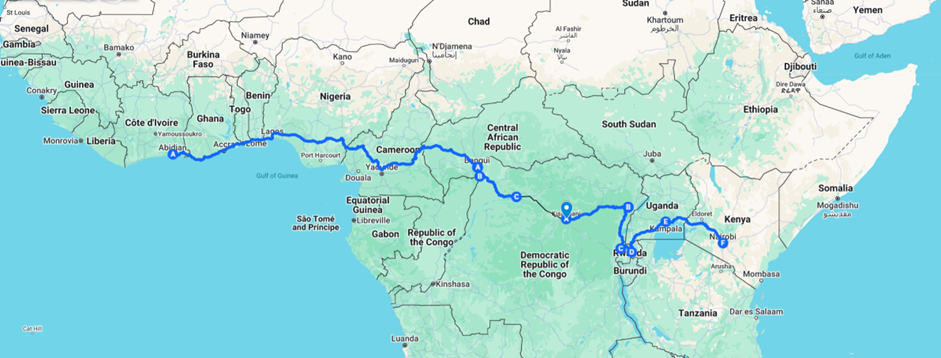
Standing beside a dusty road in Abidjan, thumbs in the air, backpacks stuffed with dreams. Hitchhiking toward Nairobi. More than 6,000 kilometres stretched ahead of us — a journey straight through the heart of Africa.
We hadn’t the faintest idea what awaited us. How long would it take? What would we experience? And what would still linger in our memories, decades later?
In Ghana one of our first stops was Elmina castle, a major hub in the Atlantic slave trade.
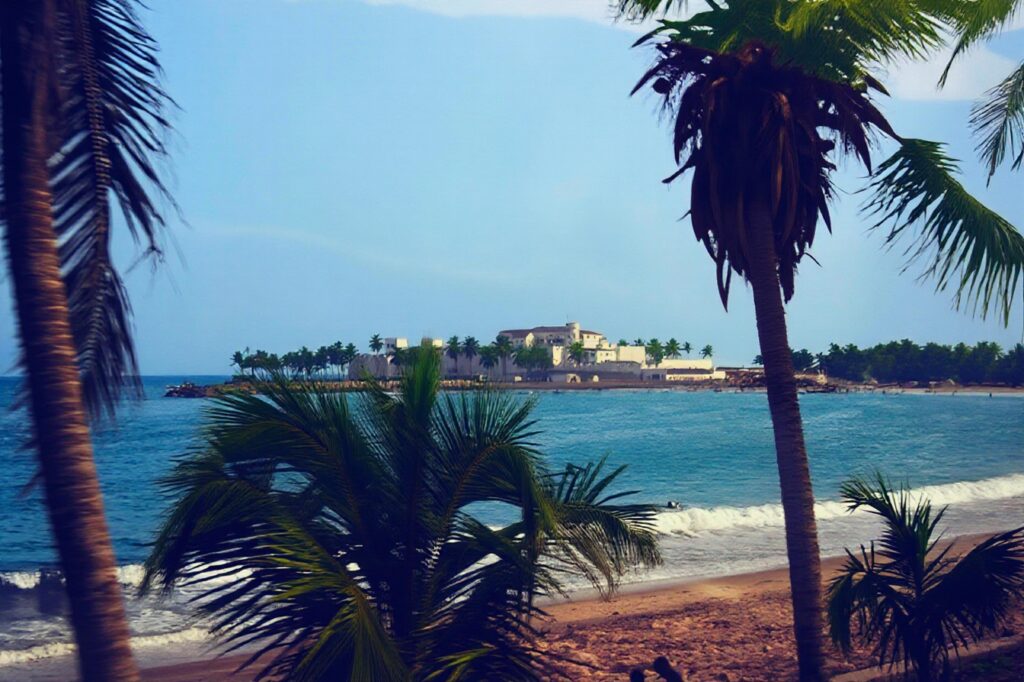
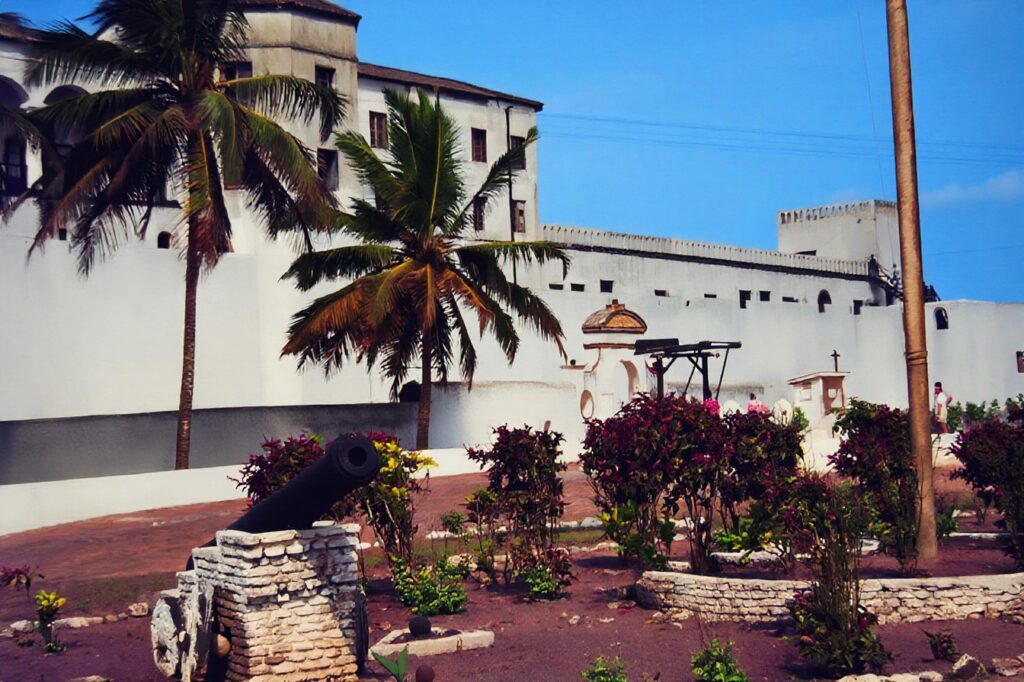
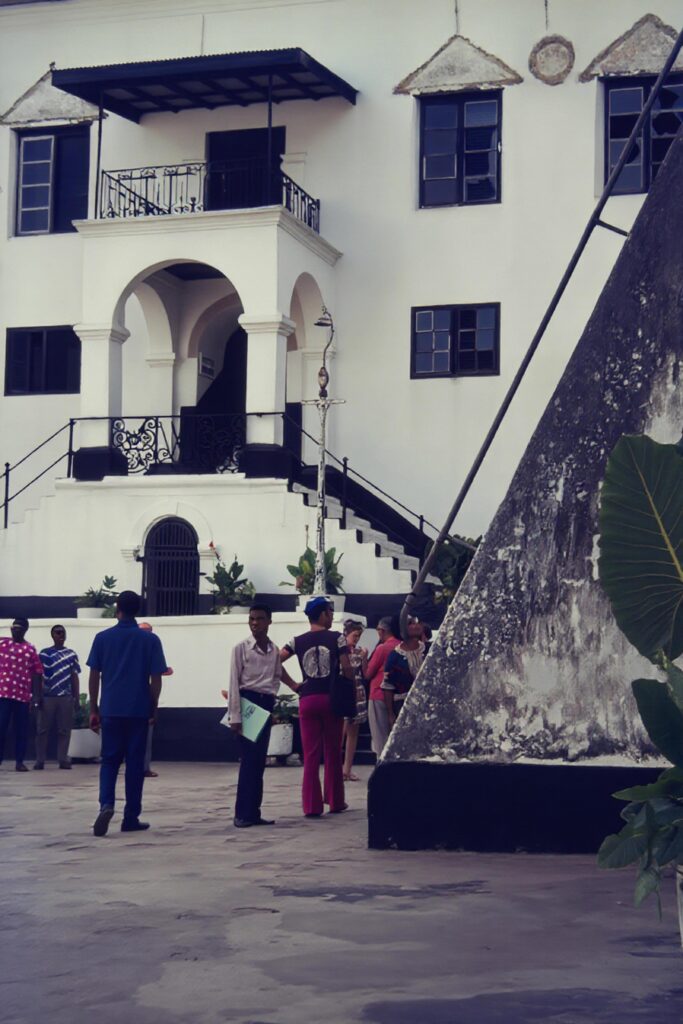
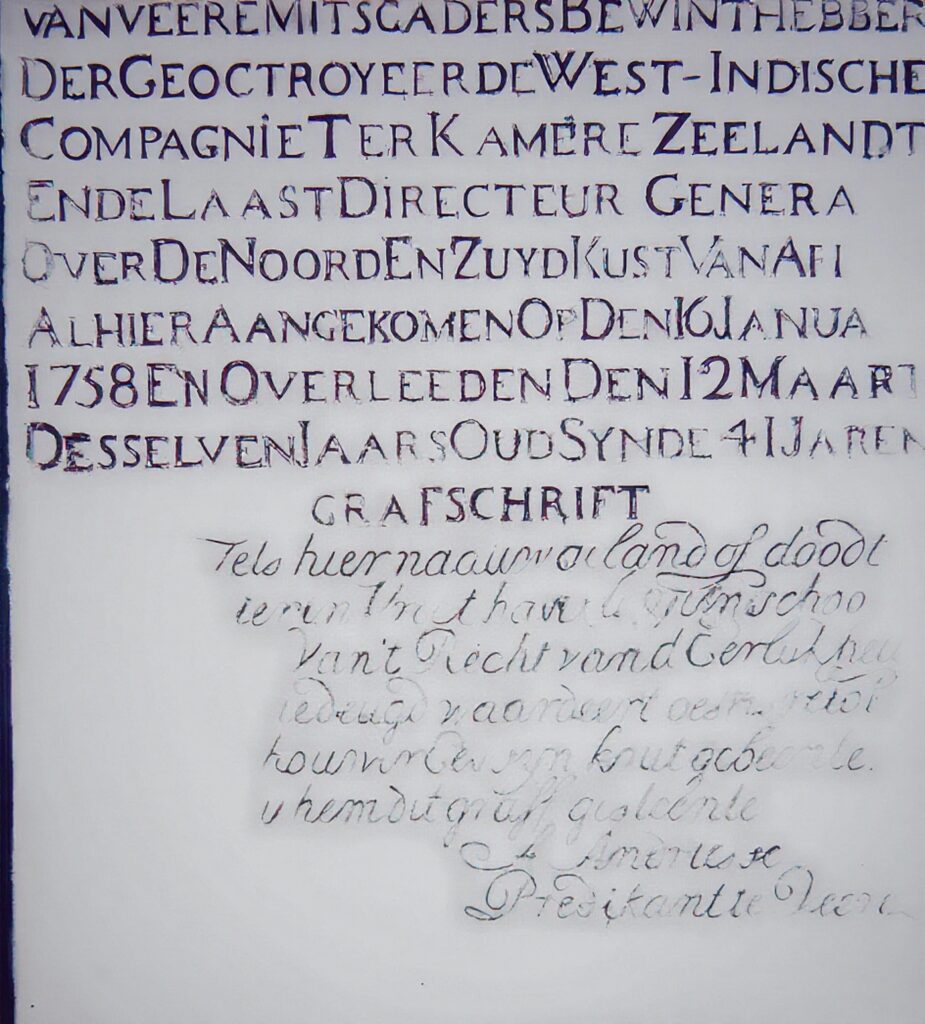
Fig. T5 (left). The interior of the caste
Our first real stop was Accra, the capital of Ghana. We carried with us the address of a former Wageningen student, now a lecturer at the University of Ghana. The campus turned out to be a city in its own right: schools, clinics, a police station, housing — and on the highest point, an imposing main building where the rector magnificus held court. Beneath towering trees and wrapped in tropical heat, we felt, briefly, at home.
The lecturer was delighted — and slightly astonished — to see us, and insisted we stay for a few days.
What I did not know then was that more than thirty years later I would return to this very place for a project — and keep returning for fifteen years, twice a year. Nor did I know that Kofi Annan, future Secretary-General of the United Nations, would become Chancellor of the university in 2008. In 2013 I met him personally in Geneva. We spoke about the university, about Ghana, about world politics. Life sometimes draws the most perfect circles.
On we travelled. Toward Benin.
The road from Accra to Cotonou — a road I would later come to know almost by heart — ran through Togo, the narrowest and smallest country in Africa, once a German colony. In Porto-Novo, Benin’s official capital (though the government actually sits in Cotonou, much like Amsterdam is the capital of the Netherlands while The Hague holds the power), we knocked on the door of a house where Dutch volunteers were staying.
The door opened — and I found myself staring at… myself, a doppelganger.
His face. His eyes. It was like looking into a mirror.
We stayed several days. We drank local beer — cheap and wonderfully refreshing — and listened, spellbound, to their stories. They spoke of Voodoo, the official religion of Benin. Of witch doctors who could identify a thief with unnerving precision. They told of open-air ceremonies where rain was held back — successfully.
These down-to-earth Dutch lads, once sceptical, now spoke with utter conviction. They had seen forces that defied every shred of logic.
And we? We listened — eyes wide, ears open.
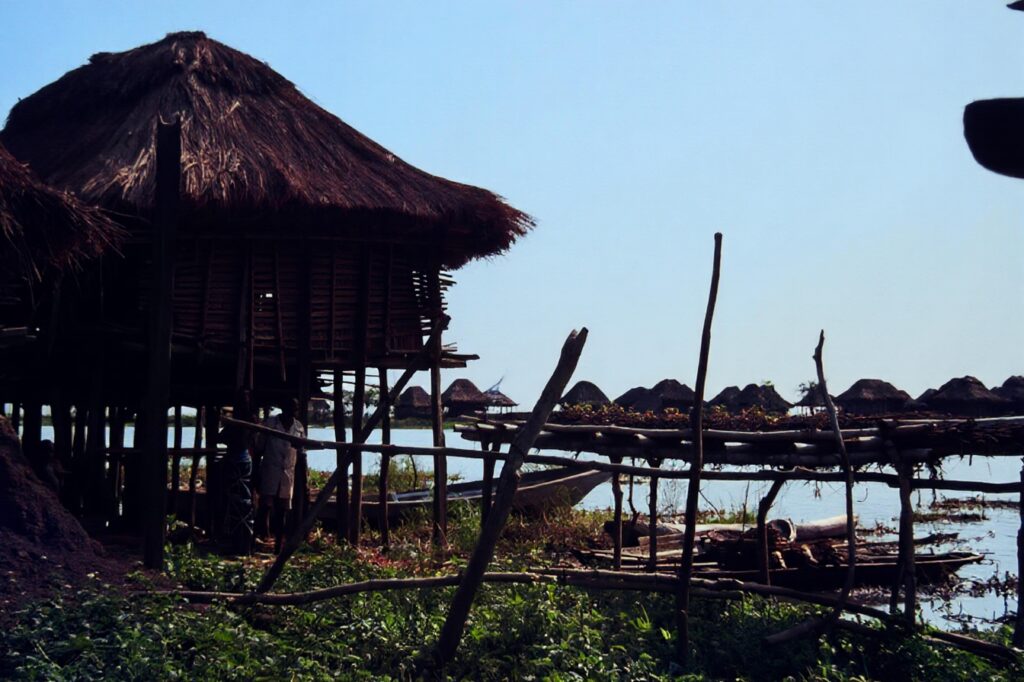
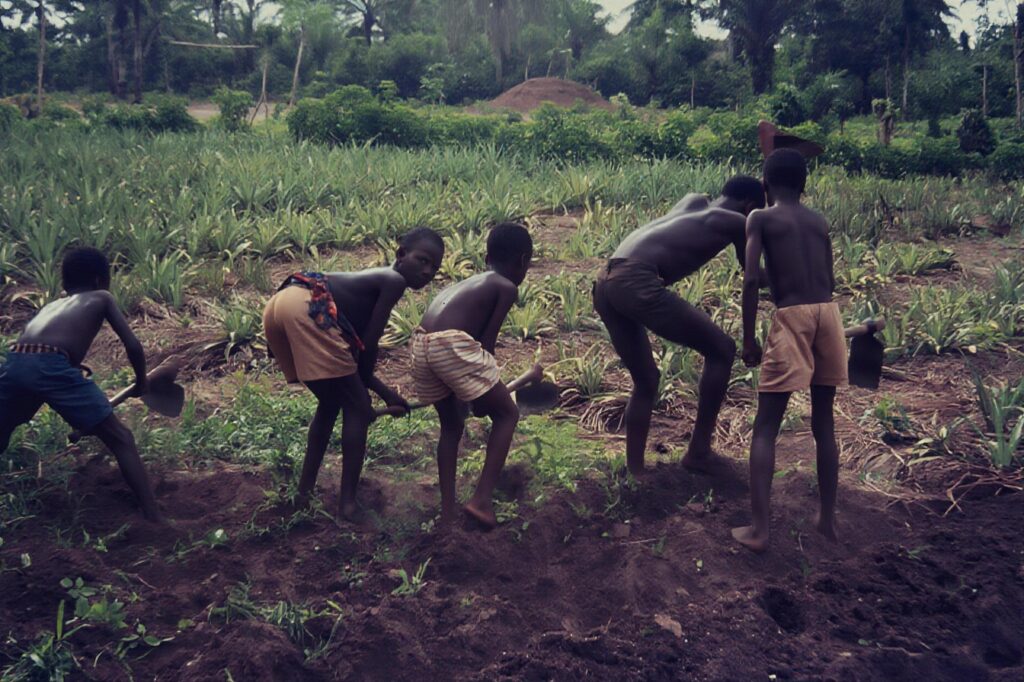
They took us to a village by the lagoon. There, girls danced, their skin glistening with oil, in a ceremony that seemed centuries old. We were guests in a world that felt both foreign and strangely familiar at the same time. Everything was different — yet curiosity, storytelling, connection — those were universal.
And then we moved on.
Toward Nigeria — the beating heart of West Africa. The continent’s most populous nation was waiting for us, with all its energy, chaos, warmth and challenges.
From Trains to prison: An Unforgettable Journey in Cameroon
In the small town of Mamfé we discovered that a Dutch project was underway. Before long we tracked down a fellow Dutchman who offered us a place to stay — a mathematics teacher at the local secondary school. A welcome bit of relief, because our next destination — the port city of Douala — turned out not to be easily reachable. The road leading there was so narrow that traffic was allowed to pass in only one direction every other day.
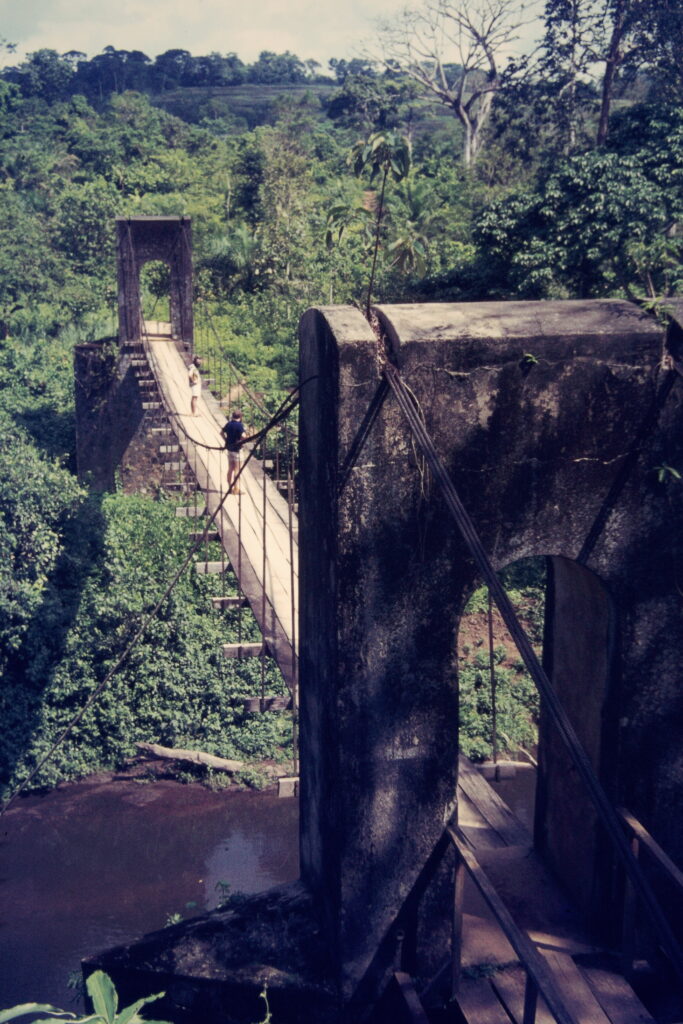
While we waited, the teacher showed us around. He pointed out imposing iron bridges that dated back to the era when Germany held colonial power here, before the First World War. It was a strange sensation — history suddenly becoming something you could touch.
Once we finally arrived in Douala, we decided to do something different for a change and took the train to Yaoundé, the capital. On the train we struck up a conversation with a Cameroonian from Yaoundé. We hit it off immediately — so much so that he invited us to spend the night at his home. His house stood in a neat and quiet neighborhood. We ate together, chatted for a while, and then went to sleep.
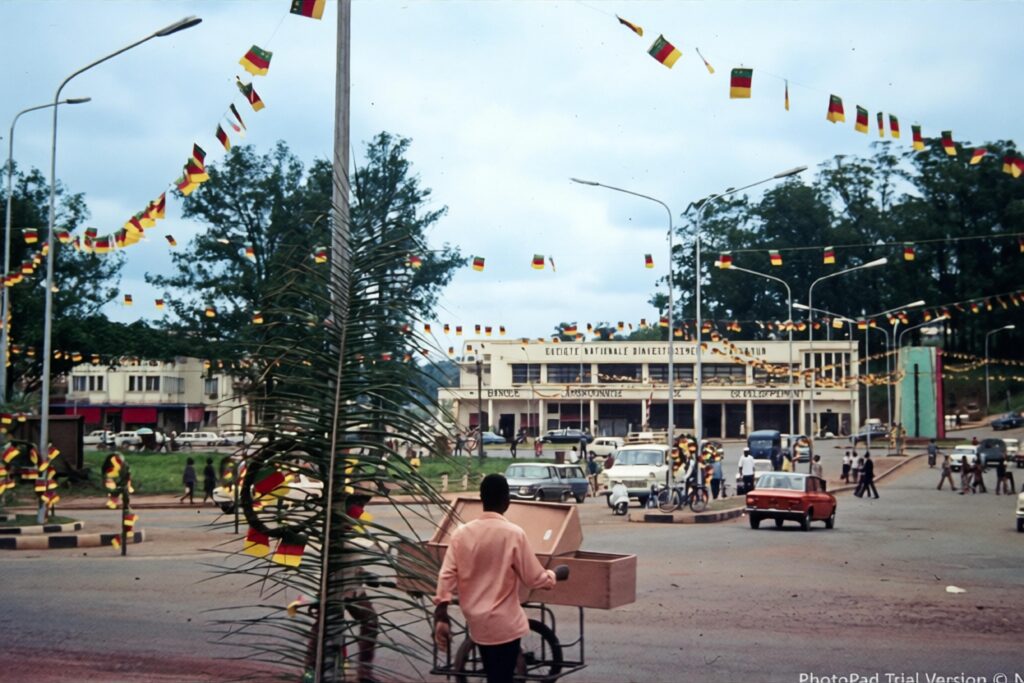
But in the middle of the night we were jolted awake by loud banging on the door. The police. They burst inside and, without hesitation, began beating our host. We never saw him again. As for us, we were arrested and taken to a police cell. We asked if we could call the Dutch representation.
“Wait for our boss,” was the only answer we got.
It took until three o’clock in the morning before we were suddenly released — without any explanation. Fortunately just in time to catch our bus to the eastern part of the country. The officers had treated us respectfully otherwise, but the shock ran deep.
In eastern Cameroon we spent the night at a mission post, where yet another Dutchman happened to be working. What struck us immediately was the extraordinary luxury in which the missionaries lived: large buildings, marble floors — everything radiated wealth. It stood in stark contrast to the poverty of the local population. It felt… uncomfortable.
Later the priest took us to visit another European who proudly showed us two enormous elephant tusks from an animal he had shot himself. He beamed with pride. But we — with our growing awareness of environmental issues — found it downright inappropriate. To boast about something so closely tied to the destruction of such a majestic animal felt completely misplaced to us.
In the evenings, while traveling, we often found shelter under highway overpasses. Until one night when a villager invited us in. They even slaughtered a chicken for us — a costly gesture — and allowed us to sleep in their hut. The bed, a wooden frame with planks spaced far apart, was far from comfortable. But their warmth, generosity, and the fact that they expected nothing in return for their hospitality touched us deeply.
Our journey ended with a demanding final stretch. At the border between Cameroon and the Central African Republic we couldn’t find a ride anywhere. We had no choice: with our bags on our backs we walked the ten kilometers to the border. A dusty, silent road — but full of memories of a journey that enriched our lives with stories, from baffling events to unforgettable encounters.
Adventure in Central Africa: From Bangui to Bokassa’s Bizarre Coronation
From the border between Cameroon and the Central African Republic, our journey of roughly 600 kilometers toward Bangui, the capital, began. We spent the night on the banks of the mighty Ubangi River, with the gentle sound of flowing water as our background music.
At that time, the country was ruled by Jean-Bédel Bokassa — a striking and controversial figure. Only a few years later, in 1976, he single-handedly declared the republic an empire and crowned himself Emperor Bokassa I.
His coronation on December 4, 1977 made headlines around the world. The entire ceremony was an extravagant copy of Napoleon’s coronation in 1804. Draped in an ermine cloak with an eleven-meter train, Bokassa seated himself on an enormous golden throne shaped like an eagle.
More than five thousand international guests were invited to the banquet — although not a single head of state attended. For the celebration, 240 tons of luxury food and drink were imported. The total cost? Roughly a third of the country’s entire annual state budget, largely financed by France.
After our stay in Bangui, we crossed the Ubangi River.
The Wageningen Corps Cap in the Congo
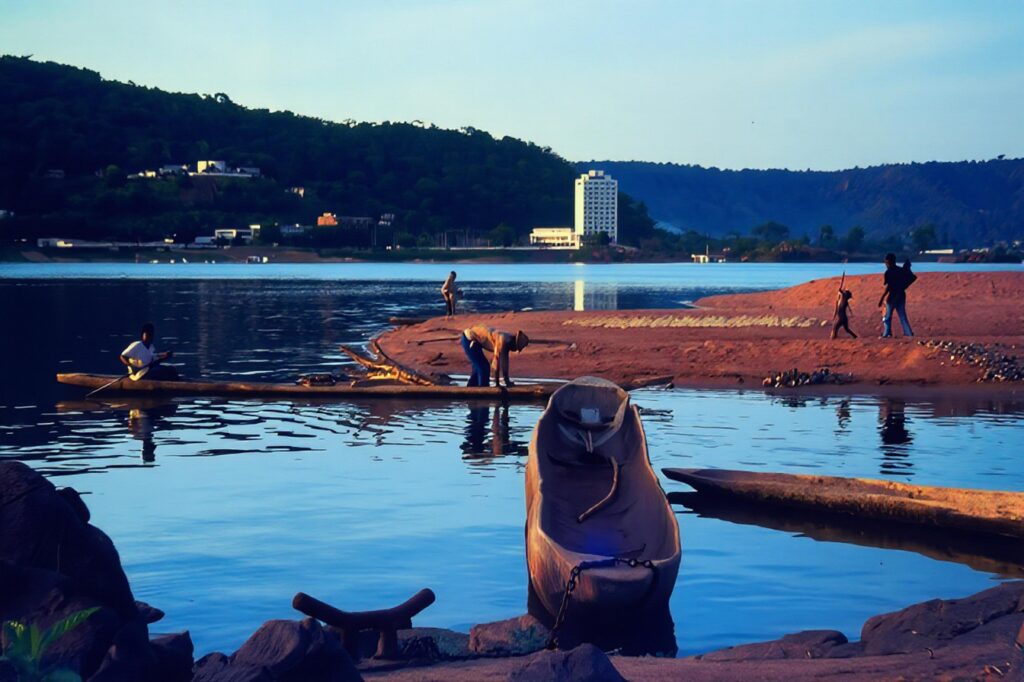
In a piroque, a dugout canoe from a single log, we crossed the river. On the other bank lay the Democratic Republic of Congo—though at the time it was still called Zaïre, the name President Mobutu had bestowed on it in 1971. His portrait hung everywhere: wearing a leopard-skin hat, in an imposing uniform, his gaze fixed sternly toward the horizon. For twenty years he would rule a country that slowly drained away—not only of its riches, but of its hope.
The boat creaked ominously but held together. When we finally bumped against the muddy shore, a few boys were already standing there. They stared curiously at our backpacks and our foreign faces.
“Where are you from?” one of them asked.
“The Netherlands,” we replied.
His eyes lit up. “Ah! Johan Cruyff!” he shouted.
We looked at each other in surprise. In the middle of Africa, where electricity itself was a luxury, people apparently still knew the master of the ball.
We started chatting. About football, of course, but also about women—or more precisely, how one acquired a wife in Congo.
“For sale,” one of them said with a nod.
He mentioned a price that made us realize we had truly arrived in another world. The leap from rational, carefully planned Dutch society to this colorful chaos was not only geographical, but mental as well.
We hitched a ride toward Lisala, a town on the mighty Congo River. Sitting in the back of a truck, we struck up a conversation with the driver.
“There’s a Dutchman working somewhere here on an oil-palm plantation,” he said.
Curious as we were, we decided to track him down.
After asking around a bit, we found him: a middle-aged man, tanned by the tropical sun, with the look of someone who had seen rather too much. When he heard we were from Wageningen, his first question was:
“Are you members of the Corps?”
Oliver and I looked at each other. It’s not the sort of question you expect in the heart of Africa, surrounded by jungle, with the thermometer at 35 degrees in the shade. Oliver had been a member of Unitas; I had belonged to SSR.
He sniffed.
“SSR, all right then. But Unitas… wasn’t that one of those clubs full of unruly types with no manners whatsoever?”
Still, he invited us for lunch. His wife—Dutch as well—served us a delicious meal. Despite his somewhat distant manner, he thawed a little when he realized we were genuinely interested.
The man turned out to be a breeder of oil-palm varieties. He had gathered strains from all over the world, carefully crossbred them and planted them out. But during a holiday he had entrusted his work to the laborers, with the simple request to water the young plants.
When he returned, his life’s work had turned into a barren plain.
“They just let it dry out,” he said. His voice still carried disbelief—along with a good dose of bitterness.
Another story he told with a mixture of anger and tragicomic astonishment. His entire household—furniture, books, crockery, even clothes—had been transported by boat along the Congo. At every stop along the way, something disappeared. By the time the boat finally reached Lisala, half of it was gone.
But what bothered him most was the loss of his Corps cap.
One day, in a nearby village, he spotted a boy walking around wearing it.
“My colors!” he shouted.
Without hesitation he bought it back—at a considerable price.
Oliver and I nearly choked trying to hold back our laughter. We hoped he hadn’t noticed.
His stories were steeped in disappointment. Not just about his projects, but above all about the people.
“They simply don’t get it,” he said at one point.
We nodded, but kept quiet. What could we possibly say? Maybe he was right. Or maybe he himself had been blinded by expectations that could never have existed here. Perhaps it wasn’t Africa that had failed, but his attempt to bend the continent to his will.
After lunch we said our goodbyes. His wife waved warmly; he settled for a nod.
We continued our journey toward Lisala, richer in stories and carrying a strange kind of melancholy. We had caught a glimpse of how quickly idealism can turn into disillusionment—and how a cap can end up weighing more than an entire project.
From Lisala to Kisangani: A Journey on the Congo River
After days of travel we finally arrived in Lisala, a town on the mighty Congo River. This river is no ordinary stream; it winds for nearly 5,000 kilometers through Central Africa, broad and unpredictable, like a liquid highway filled with life and stories.
From Lisala we wanted to travel to Kisangani, about 500 kilometers upstream. But as often happened in Zaire, we had to wait. For days. The boat would not arrive for another three days. Fortunately, once again we found a compatriot — a Dutch missionary priest working at a mission station in town.
The priest turned out not only to be a spiritual leader, but also the village chief. With some pride he showed us the traditional symbols of his office: staffs, ornaments, and an impressive headdress. He spoke about his years in Congo, and also about the darker sides of life there. In some remote areas, he said, cannibalism still occurred — especially the ritual eating of babies. We listened in stunned silence. Was it a warning, an anecdote, or bitter truth? In this corner of the world it was hard to know where fact ended and myth began.
Meanwhile we began to notice troubling signs ourselves: bleeding gums, fatigue. We recognized it quickly — scurvy, a vitamin C deficiency caused by our monotonous diet of canned sardines. Fortunately we were able to find some vitamin C tablets in Lisala. Within a few days we started to recover.
Then the boat arrived. An old, rattling vessel, but it floated. We could choose between a bed in first class or sleeping on deck among boxes, chickens, and people. We chose the bed — essentially a plank with a thin mattress — but it felt like luxury.
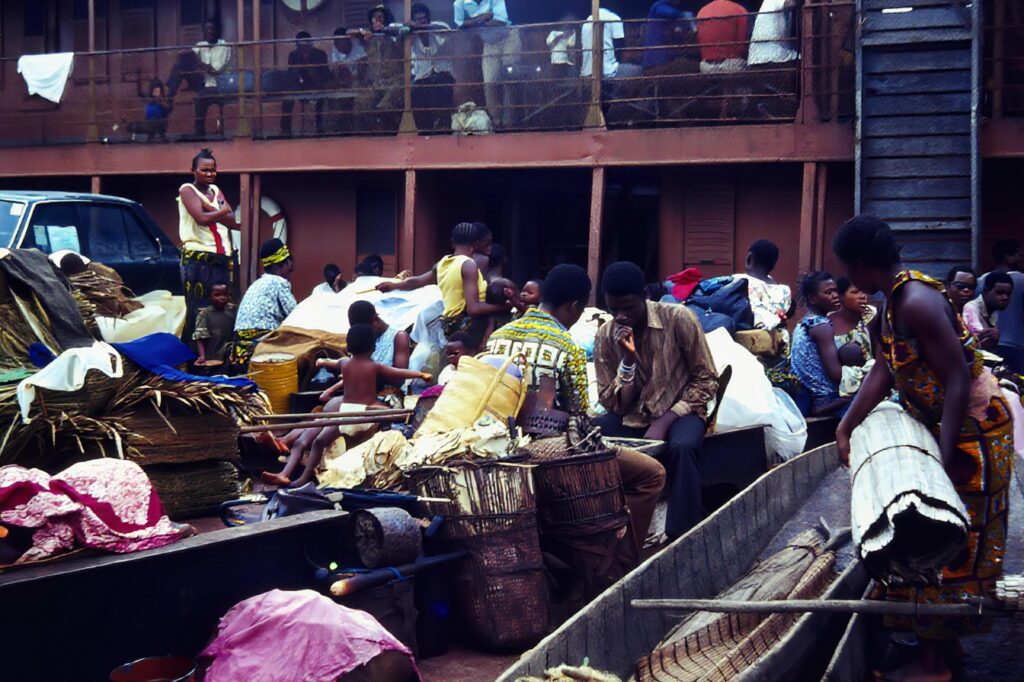
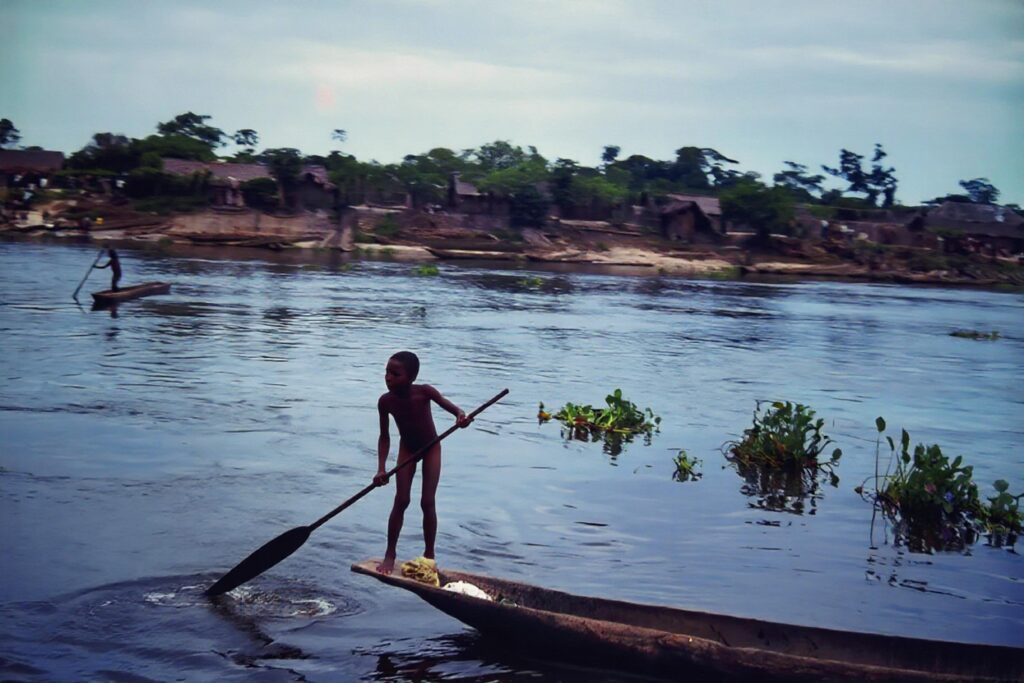
The river turned out not to be a straight current but a sprawling sea of water, dotted with islands and veils of mist. In places it was nearly ten kilometers wide. Pirogues regularly approached the boat — hollowed-out tree trunks steered by skilled paddlers who sold fruit, fish, or nuts. Because of the scurvy we welcomed every banana and papaya we could get.
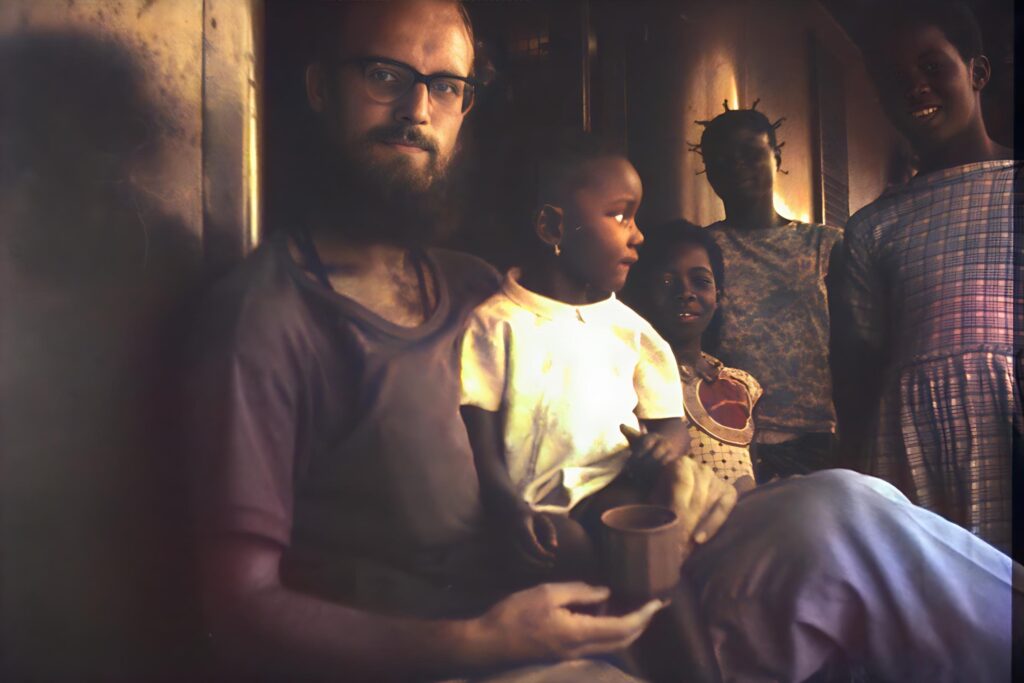
A young girl — perhaps eight years old — often sat near me. She was fascinated by my hair. As the boat struggled onward through the brown water, she carefully combed it, as if it were a doll’s. Her hands were gentle and serious, her gaze curious. To her I was probably just as exotic as she was to me.
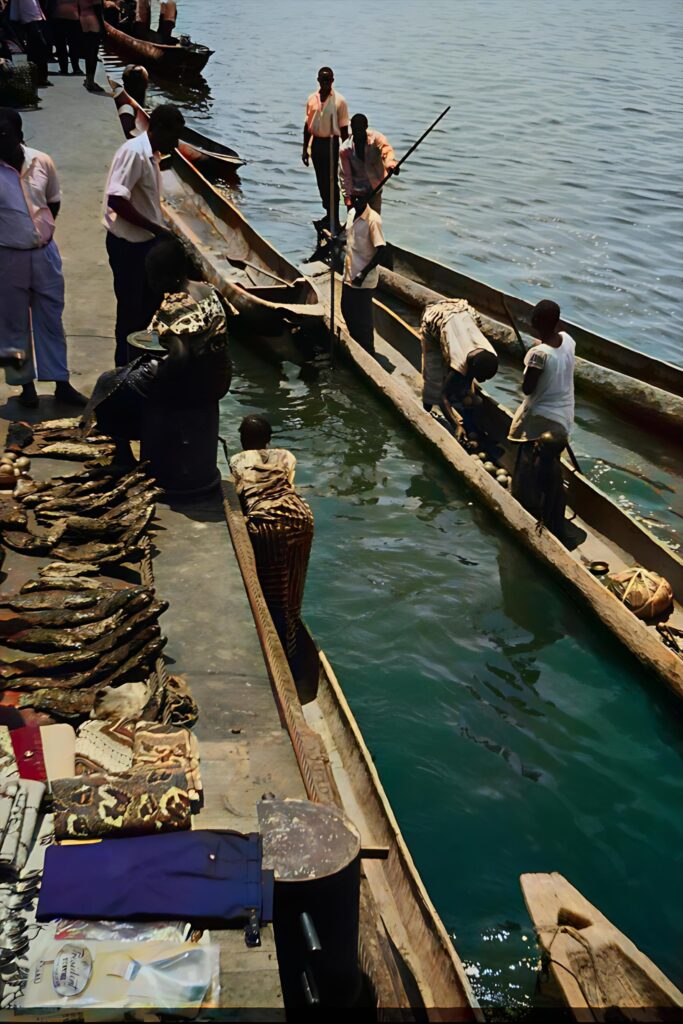
On board we also met a Belgian man with a brand-new Land Rover. He was on his way to Rwanda and offered to take us along once we reached Kisangani. It felt like a gift from heaven: in a region where transport was scarce and slow, it meant pure freedom.
In Kisangani we stayed on the university campus with another Dutchman from Wageningen — a friendly, down-to-earth botanist. He took us to a stretch of rapids just outside the city. There, local fishermen had devised an ingenious system: wooden frameworks wedged between the rocks, holding large fish baskets fastened with rattan cables. Dozens of these baskets were set each day — and with great success. We saw it with our own eyes: fish as large as your arm, thrashing inside the traps.
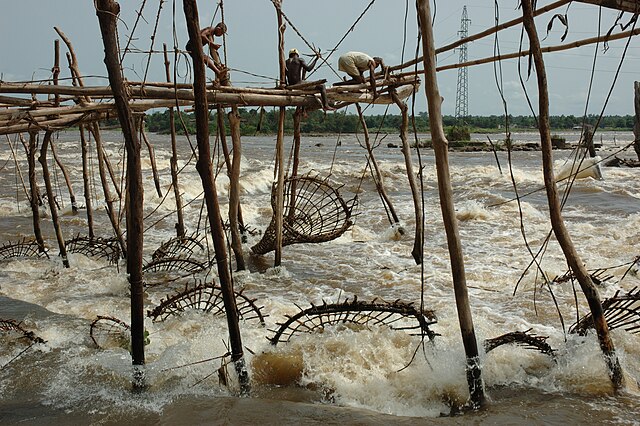
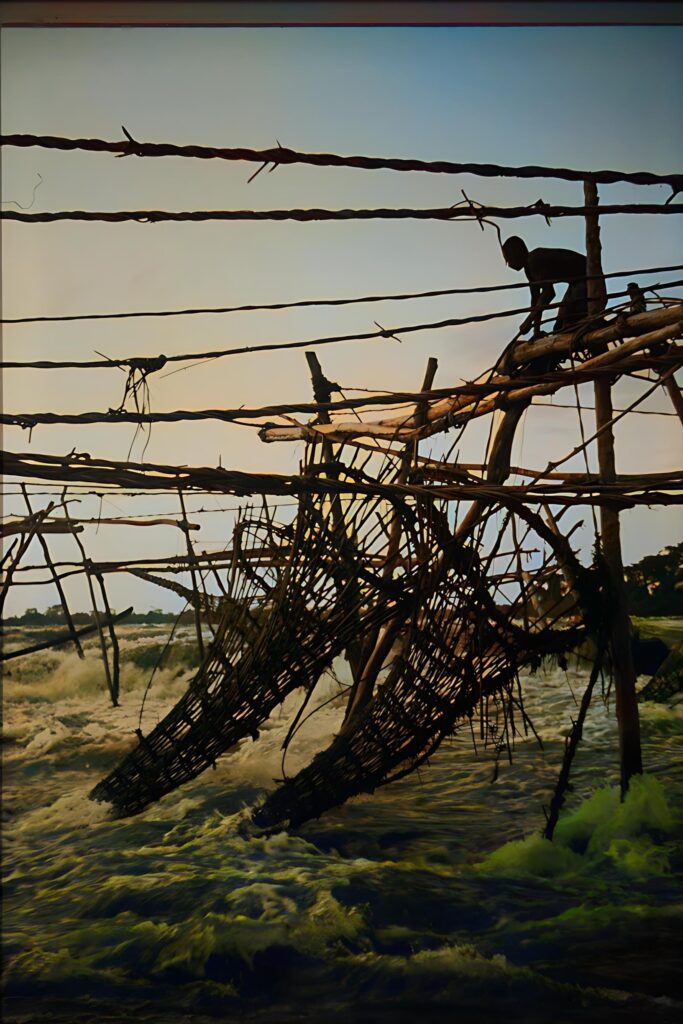
This fishing technique had already been described in the nineteenth century by Henry Morton Stanley, the first European to visit the falls. In his 1878 diary he admired the ingenuity of the fishermen, who used the power of the river rather than trying to fight against it.
After a few days of rest and adventure in Kisangani, it was time to move on. We climbed into the Belgian’s brand-new Land Rover and set course for the east. Toward Rwanda, the land of a thousand hills — and the next chapter of our African adventure.
Across the Heart of Africa: From Kisangani to Kigali
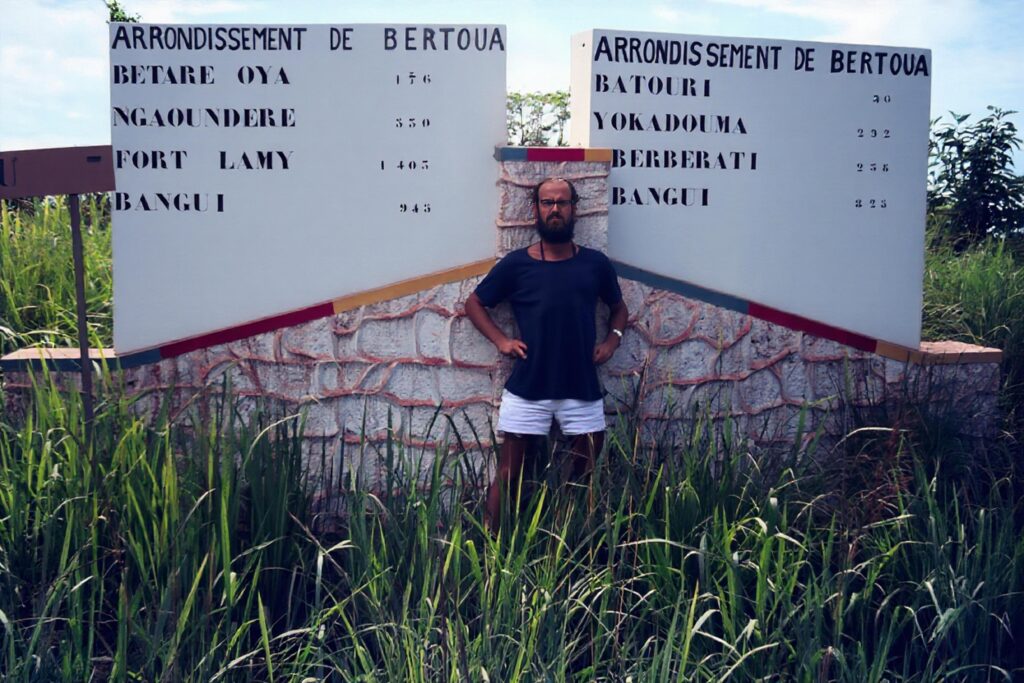
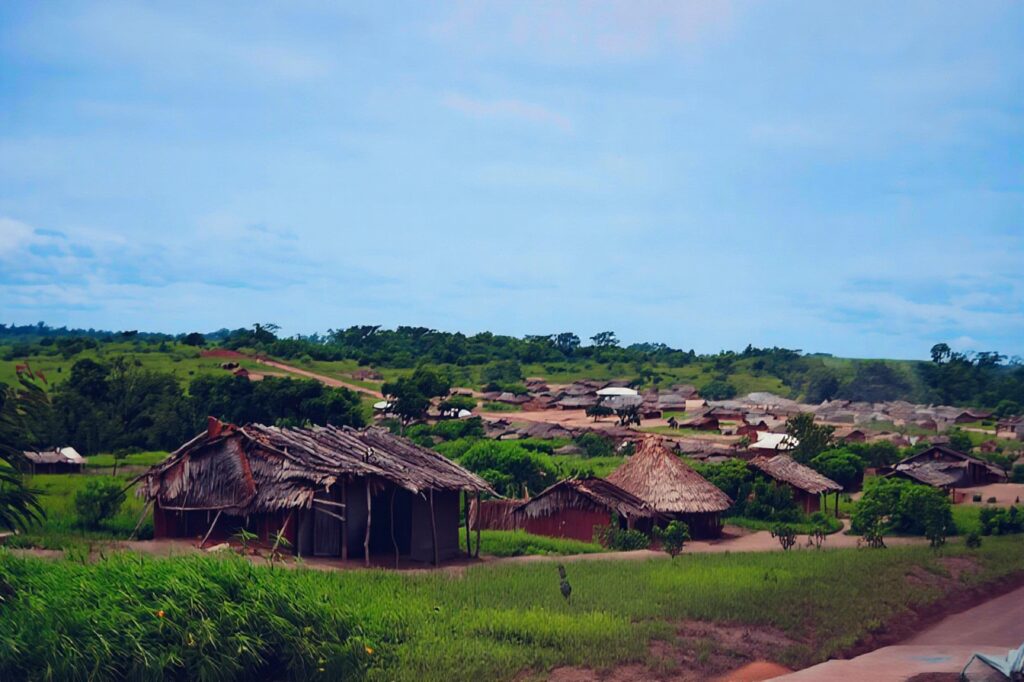
From Kisangani, deep in the Congolese interior, we headed east, where the road stretched like a dusty snake toward Komanda—more than 600 kilometers away. It was a journey through lush forests, forgotten villages, and mysterious landscapes. Here, in the heart of the Ituri rainforest, we found ourselves in the habitat of an almost mythical animal: the okapi.
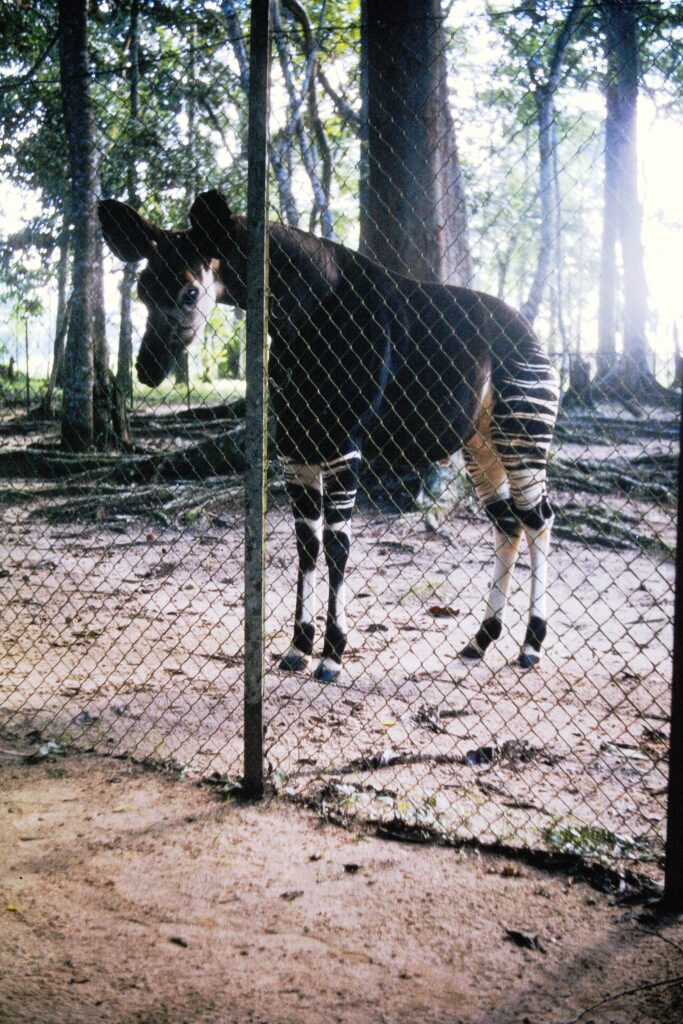
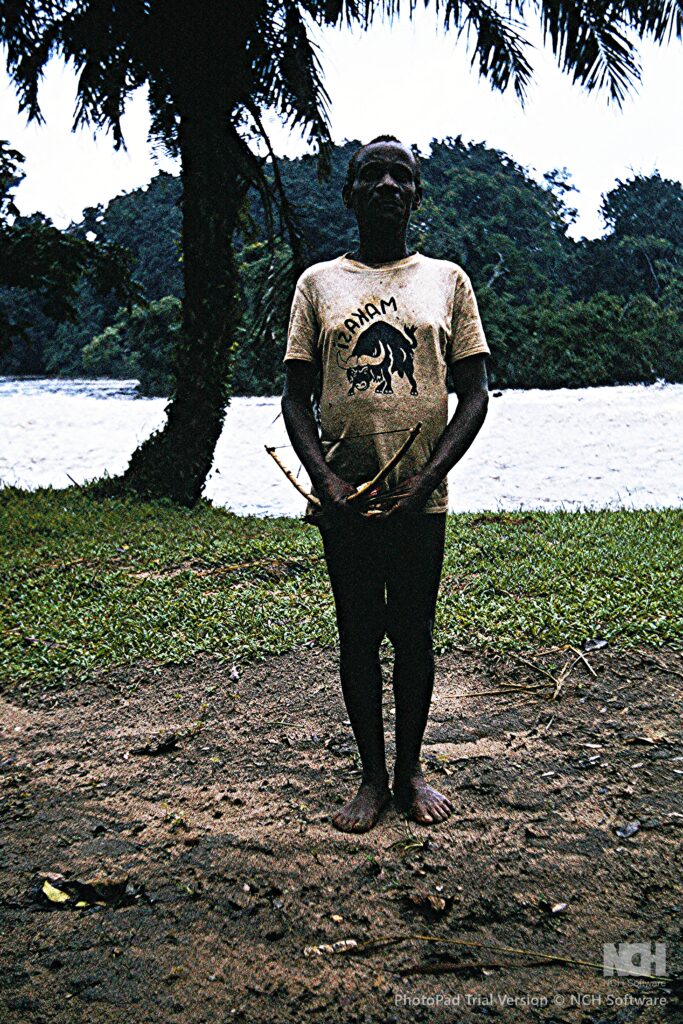
The okapi—an elegant creature with a chestnut-brown body, zebra-striped legs, and a soft, dappled face—looks as though it has stepped straight out of a fairy tale. It is the closest living relative of the giraffe, though you would never guess it at first glance. We encountered one through a local breeding program, guided by a pygmy who was hardly taller than a child. With quiet pride he pointed the animal out to us. “O’api,” he said—the name the Efé pygmies have used for this creature for centuries. The name has stuck ever since.
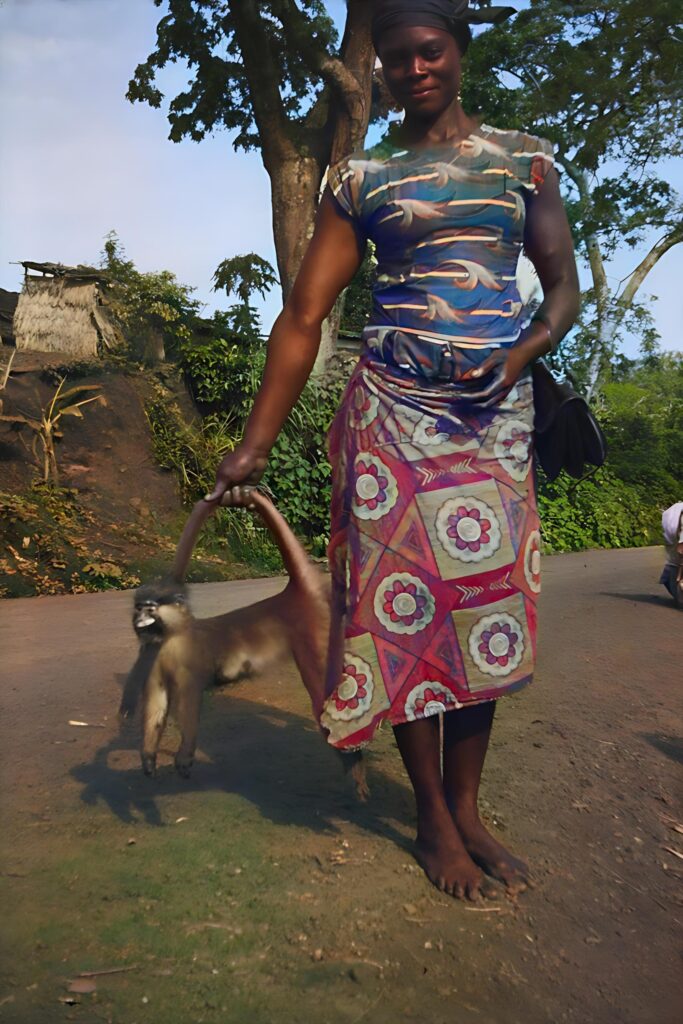
But the rainforest also revealed its harsher side. On a muddy forest path we passed an elderly woman casually swinging what at first looked like a handbag. When we looked closer, we saw to our shock that it was a dead monkey—its tail pushed through its throat to form a handle. The jungle has little room for sentiment.
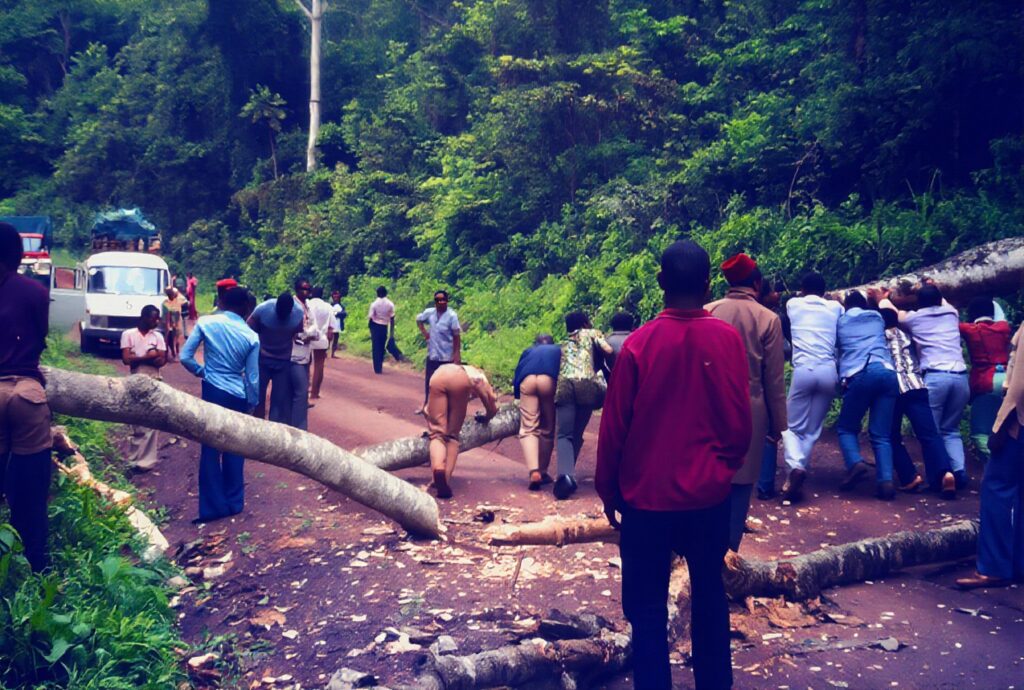
After Komanda we continued south, heading for Goma near the Rwandan border. The road—if you could call it that—was a nightmare. Trucks were stuck in deep mud pits and thick beds of sand. We soon discovered that this misery was partly intentional: local people dug the holes on purpose so stranded drivers would have to pay them to be pulled out. For them it was a business model; for us it was quite a trial. Fortunately our Land Rover had four-wheel drive and usually managed to drag us through the worst of it.
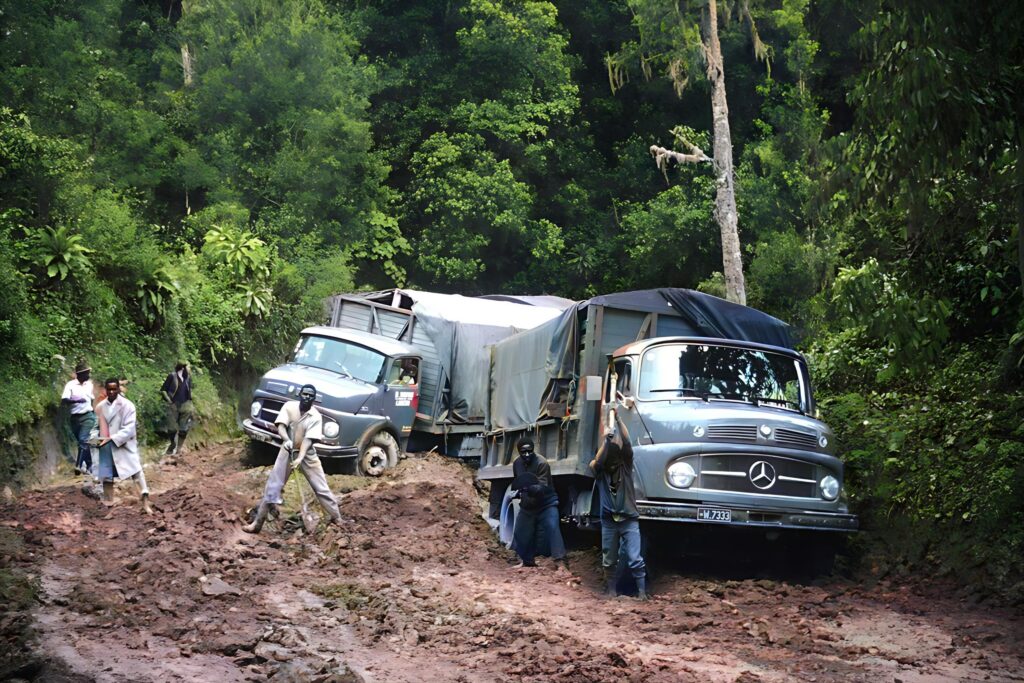
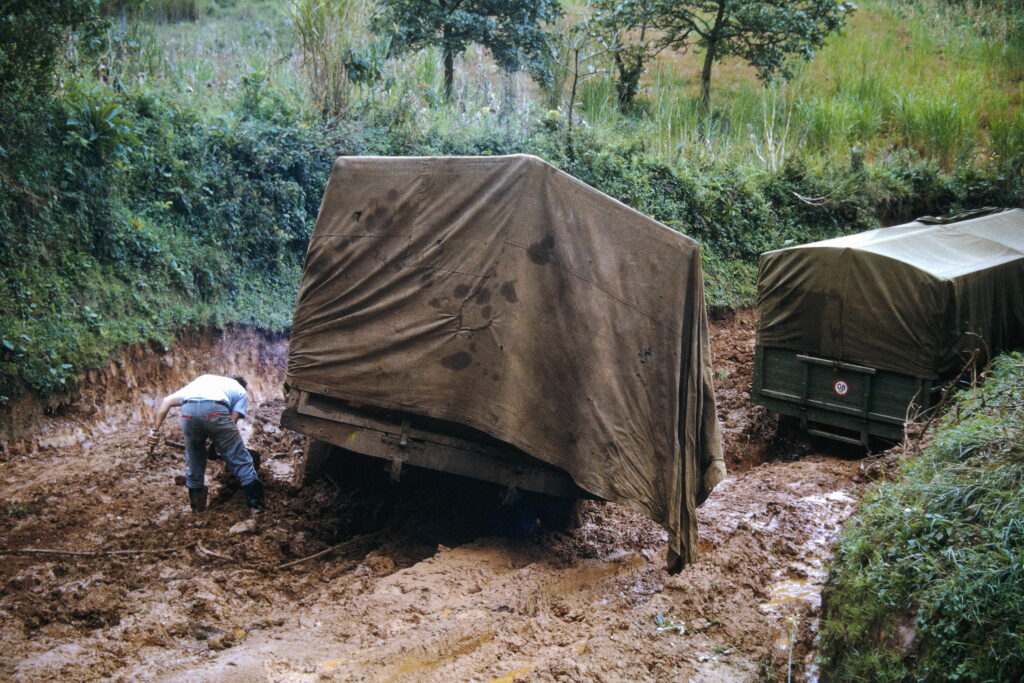
Gradually we began to notice the landscape changing. The terrain became hillier, the air cooler. East Africa lies considerably higher than the west. It felt as if we were entering another world. And then, suddenly, elephants appeared between the trees. We couldn’t resist the temptation to stop and take a photograph. That turned out to be a mistake. One of the animals looked up, flapped its ears, and charged toward us. Adrenaline surged through our bodies as we scrambled back into the car and managed to drive off just in time.
In the distance Mount Nyiragongo loomed—the active volcano near Goma. At night the sky glowed blood red from the lava lake inside its crater. It was a mesmerizing yet ominous sight. Five years later that very crater wall would collapse. Within an hour lava poured into the city, and fifty people lost their lives. But when we were there, it was still a fiery spectacle at a safe distance.
At the foot of the volcano lies Lake Kivu, an oasis of calm with sandy beaches and small islands. Many travelers stop here to rest, but we chose to press on. In Goma we said goodbye to our Belgian driver, who had carried us more than a thousand kilometers. He continued south into the depths of Congo, while we set our course for the border.
We crossed into Rwanda—a new country, a new story—on our way to Kigali, the capital. What we left behind was a journey full of contrasts: astonishing nature, danger and beauty, human ingenuity and the art of survival. Africa had refused to fit into clichés. Instead, it revealed itself as it truly is: raw, mesmerizing, and unforgettable.
Calm Before the Storm: Rwanda Before 1994
When we arrived in Kigali, the capital of Rwanda, we had only one contact: a man working on a development project through a Dutch church organization. With some effort we managed to track him down. To our surprise, he immediately invited us to stay the night at his place. His hospitality proved to be as warm as his enthusiasm. He took us into the city and drove us to a viewpoint high above Kigali. From there the city unfolded like a peaceful patchwork of hills and neighborhoods—calm, almost charming.
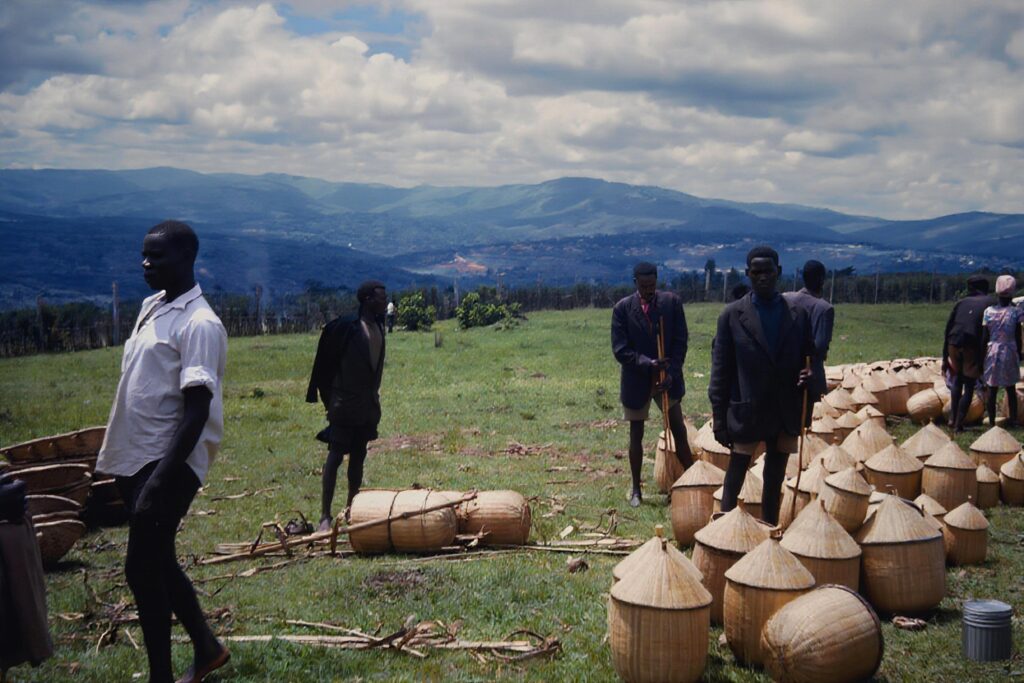
Yet behind that tranquil picture lay a shadow that would only become visible years later. At the time, no one could have imagined that in 1994 Rwanda would become the stage for one of the most horrific tragedies of the twentieth century: the genocide in which between 500,000 and 1 million Tutsis and moderate Hutus were slaughtered in an unforgiving wave of violence.
The next morning our host dropped us off at the edge of the city, where we planned to hitchhike onward toward Uganda. Across from a hospital we patiently waited for a ride. But within minutes we found ourselves surrounded by a growing group of curious onlookers. They stared at us—friendly, yet intensely. We felt like strangers standing on a stage. When we decided to move a little further down the road, the crowd followed us, as if we were celebrities.
Fortunately, a car soon stopped and offered us a ride—rescuing us from the unintended spectacle and carrying us on to the next stage of our journey: Kampala.
Uganda – at the source of the nile
Kampala unfolded before us as a vibrant city buzzing with life. We stayed with a Dutchman from Wageningen who was teaching at the prestigious Makerere University. His stories about the students, the city, and everyday life in Uganda gave us a fascinating glimpse into the rhythms of life there.
Not far from the city we visited the botanical gardens of Entebbe, established in 1898 on the shores of the immense Lake Victoria. The lush greenery, the warm light, and the scent of flowers and earth made it one of the most serene places of the entire journey.
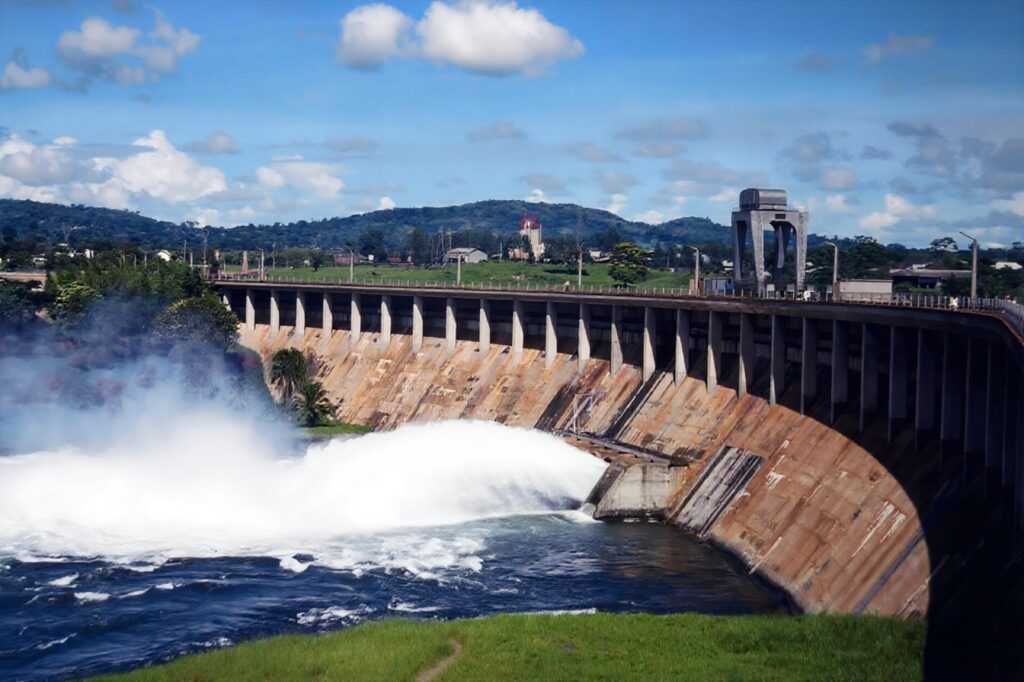
From Kampala we continued on toward Nairobi, our final destination. Along the way we passed through Jinja, a small town with a remarkable claim to fame: this is where the Nile begins. Surrounded by dense greenery, we watched as the river—destined to flow some 6,700 kilometers before reaching the Mediterranean Sea—set out on its majestic journey. It was a moment of quiet wonder. After all, how often do you stand at the very source of a river that has witnessed so much history, life, and conflict?